It has barely been over three weeks at the CAMAC residency and yet so intense in every sense. We were all invited for a drink on Sunday evening to Mathilde’s home, our first experience of a get-together hosted by a local French resident in Marnay. Amongst the guests was the only Englishman in the village, who moved here from Manchester two years ago. Mathilde had taken us to a flea market earlier that morning, which was more like many garage-sales put together. Like the ‘Friday market’ and ‘Sunday market’ in India, a lot depends on chance for finding a good object and a good deal. My beginner’s luck has rarely gone past the dart-board.
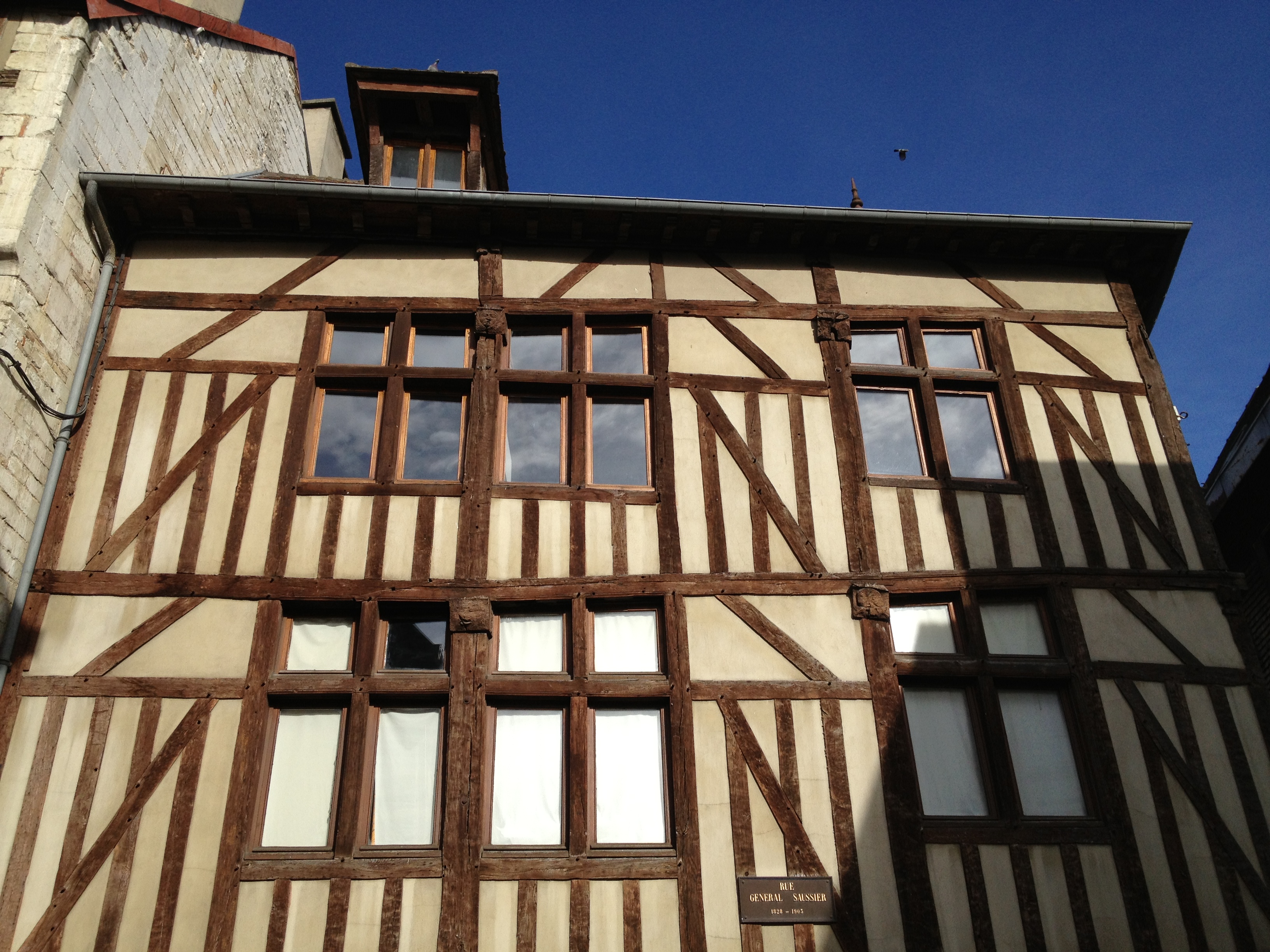
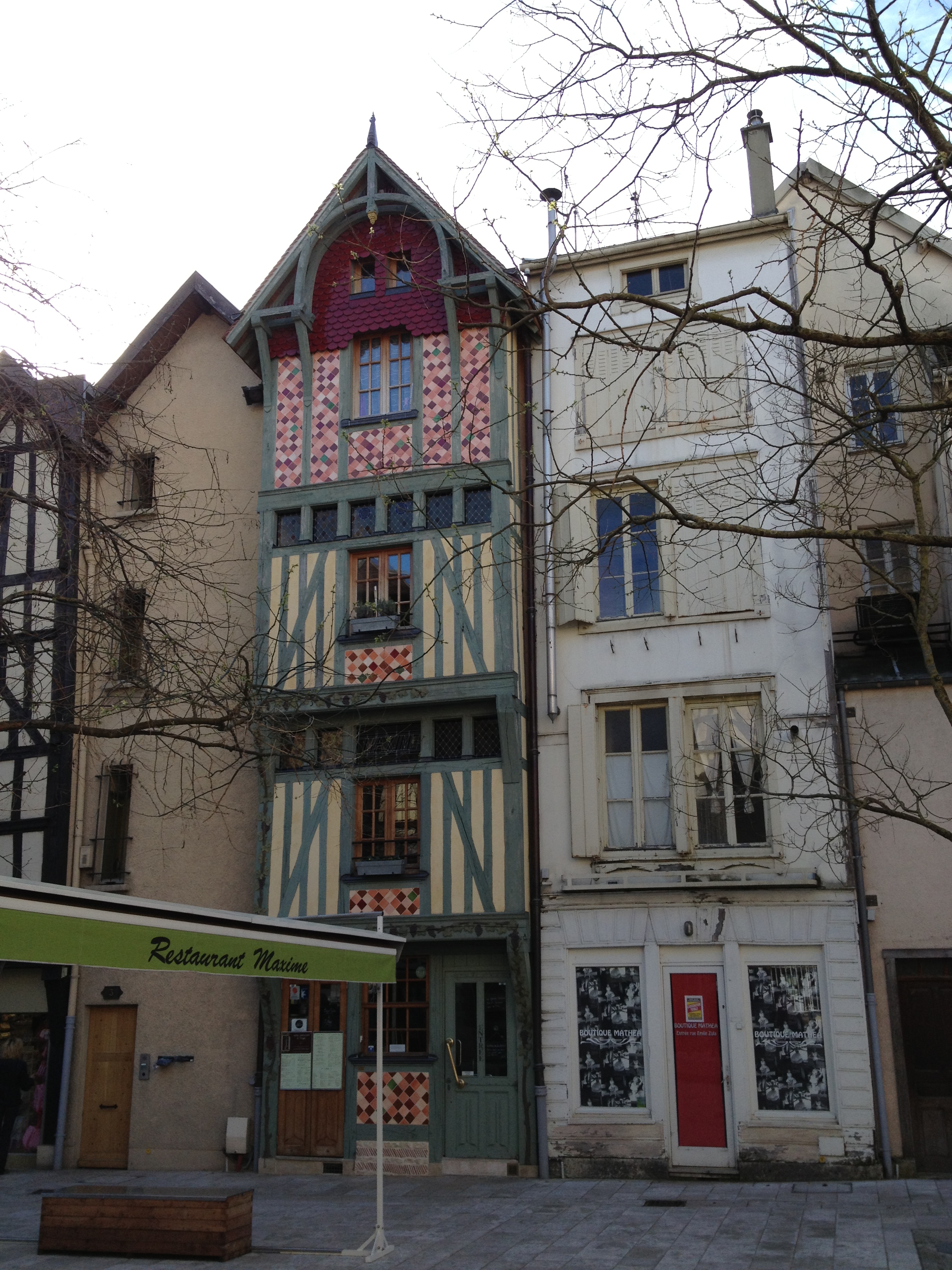
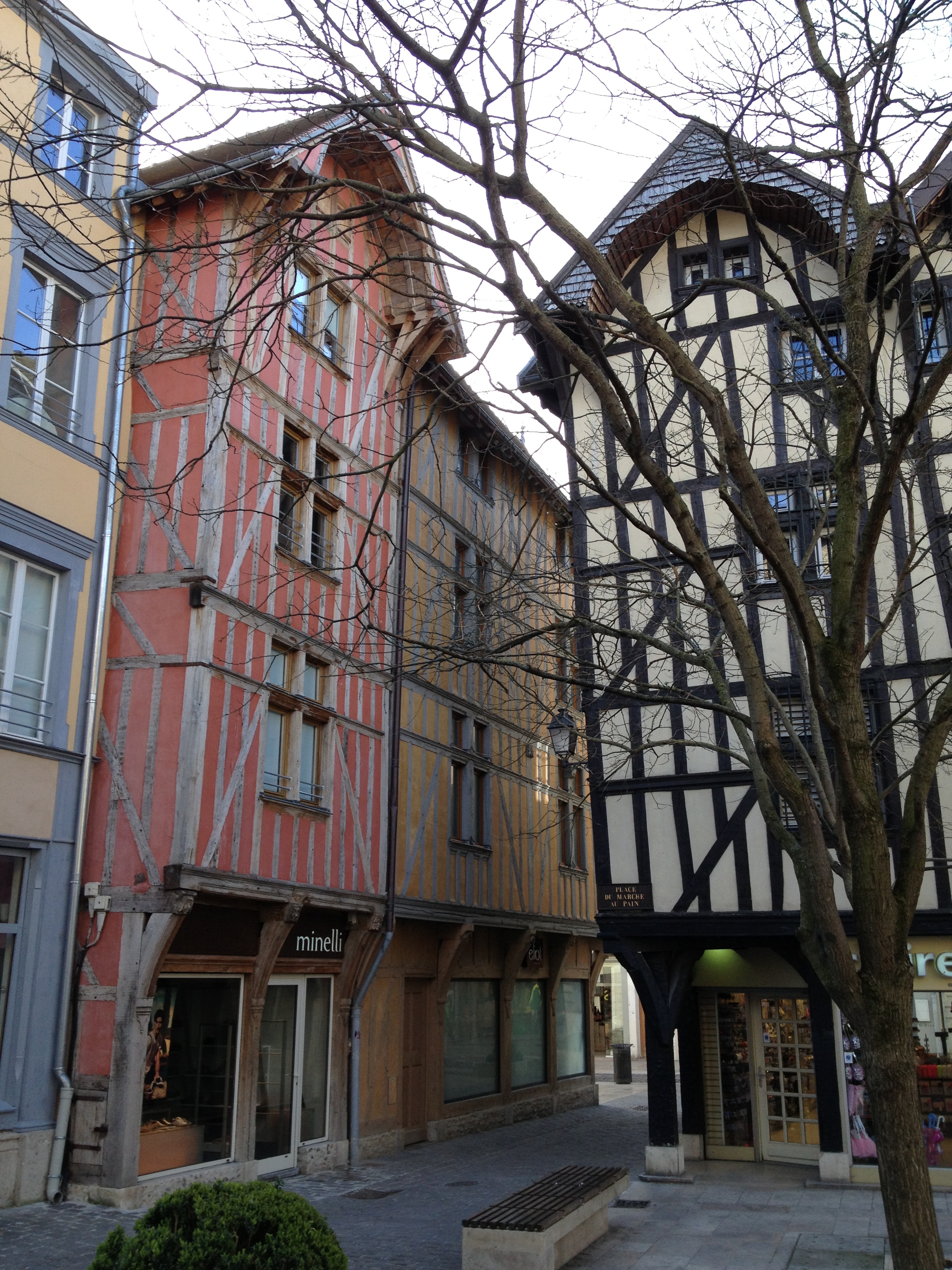
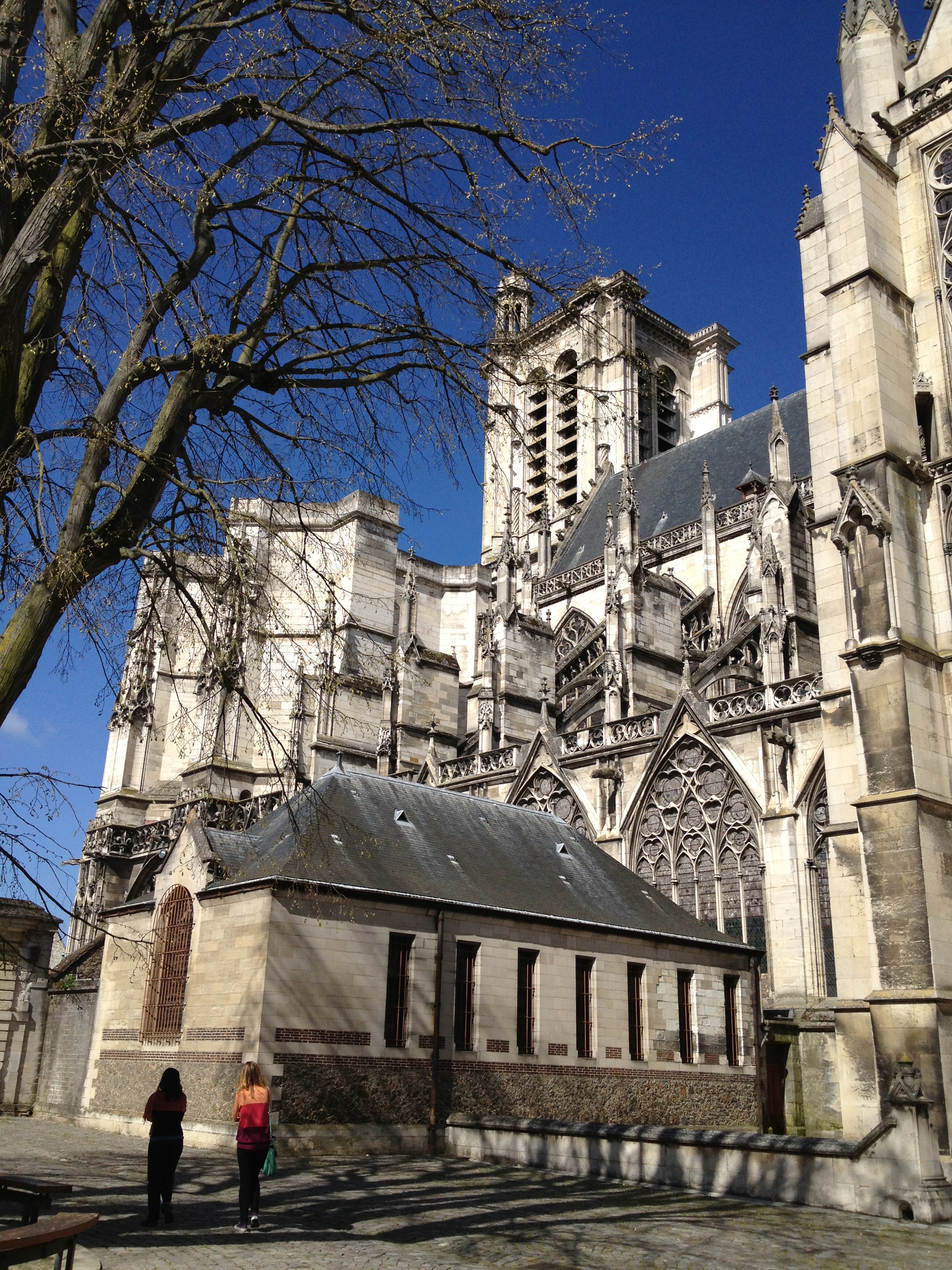
Mathilde also took us to Troyes (pronounced ‘Twah’) on Friday, a fairly big city that is again incredibly picturesque and at the same time, has a life that is not consumed by tourists. Driving to Troyes and to the other little towns we passed when we went to the garage sales gave us the experience of being in the countryside. Of all the impressionists, I’m somehow reminded the most of Alfred Sisley’s landscapes which seem to have best captured the true essence of the French countryside. Monet, Van Gogh and Gauguin have stolen the limelight to such an extent that one forgets to see “France” and only sees emblems of impressionism, which have unfortunately become what Ravi Varma is for Indian art: popular images for calendars.
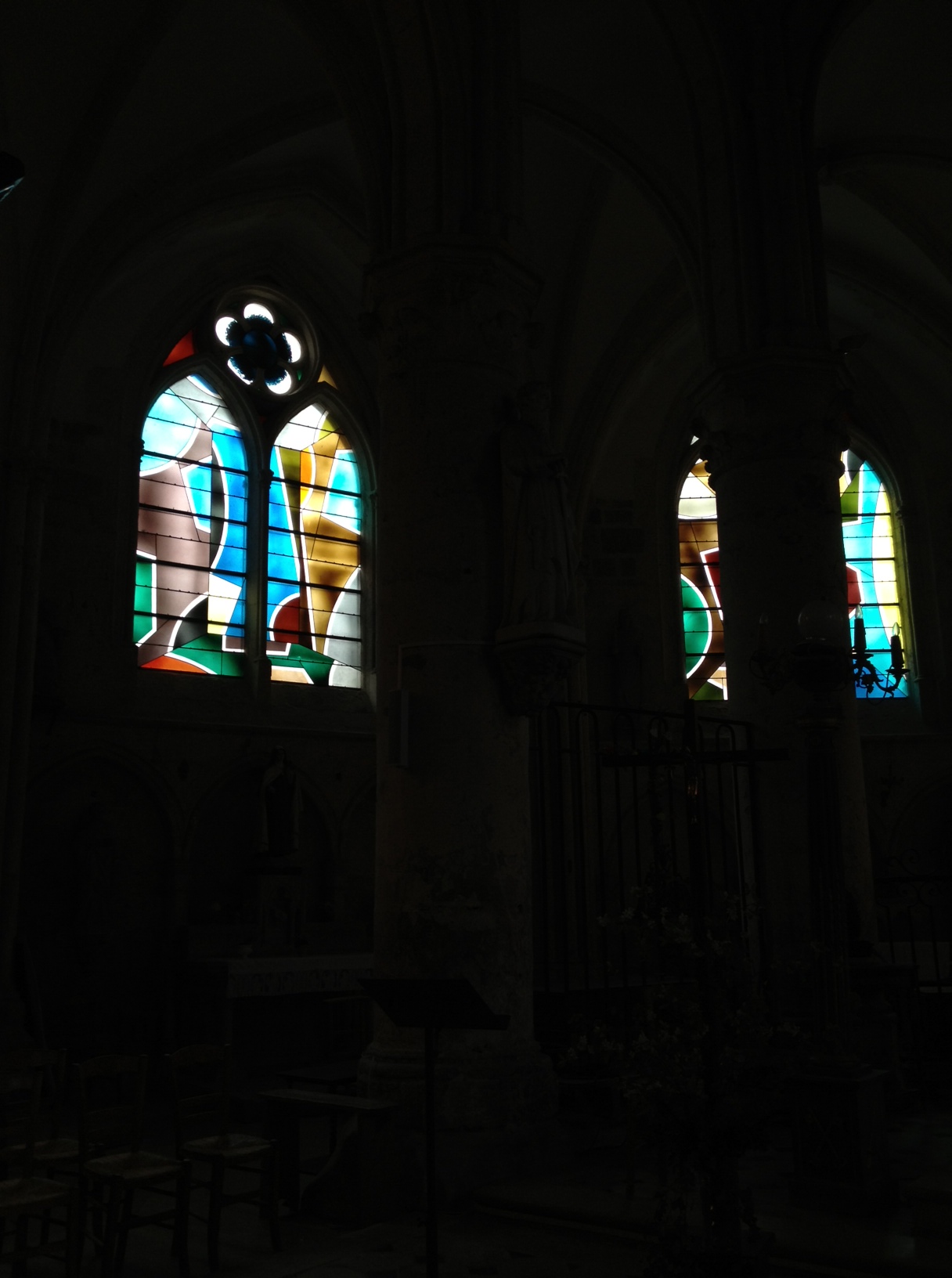
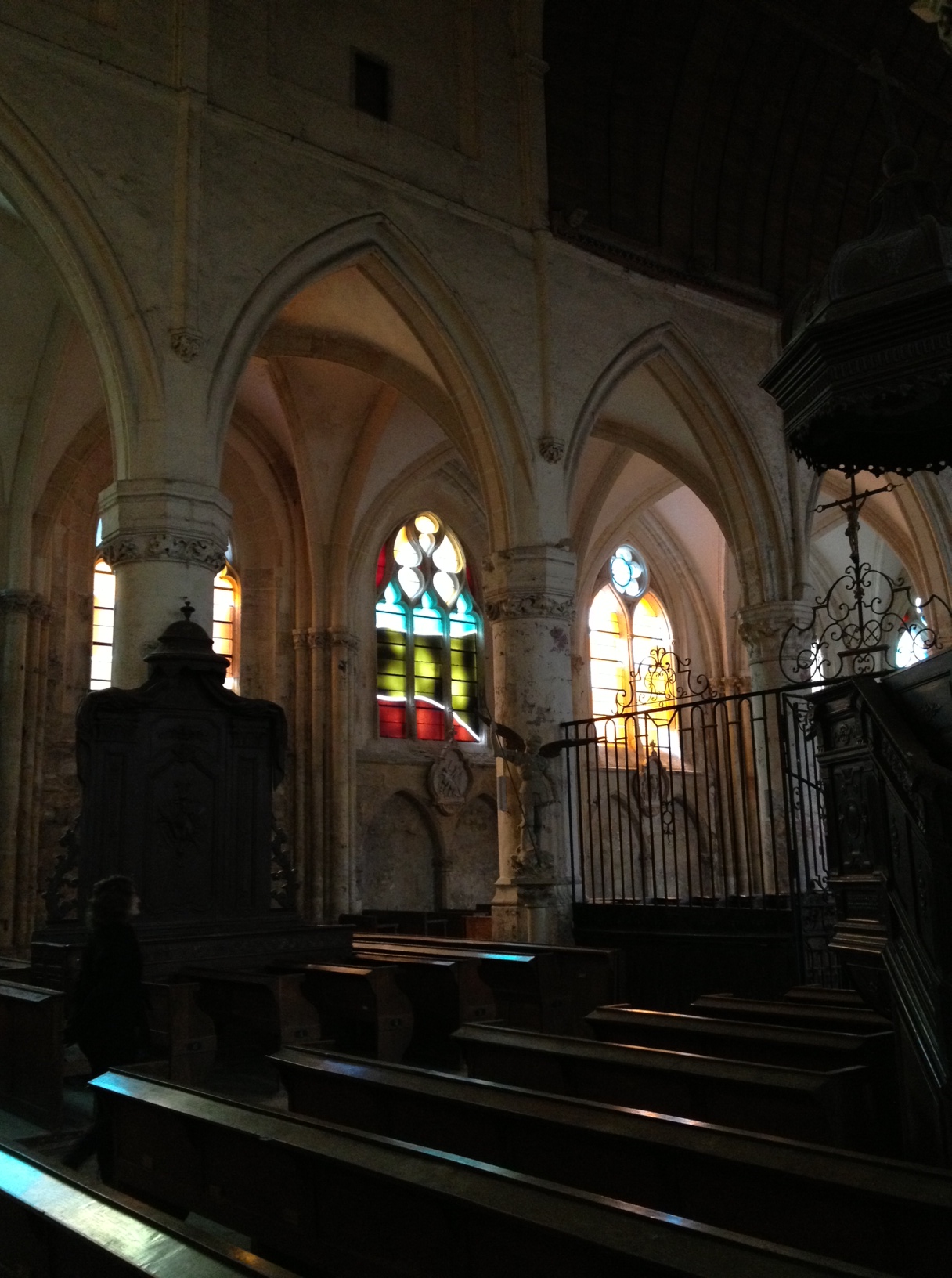
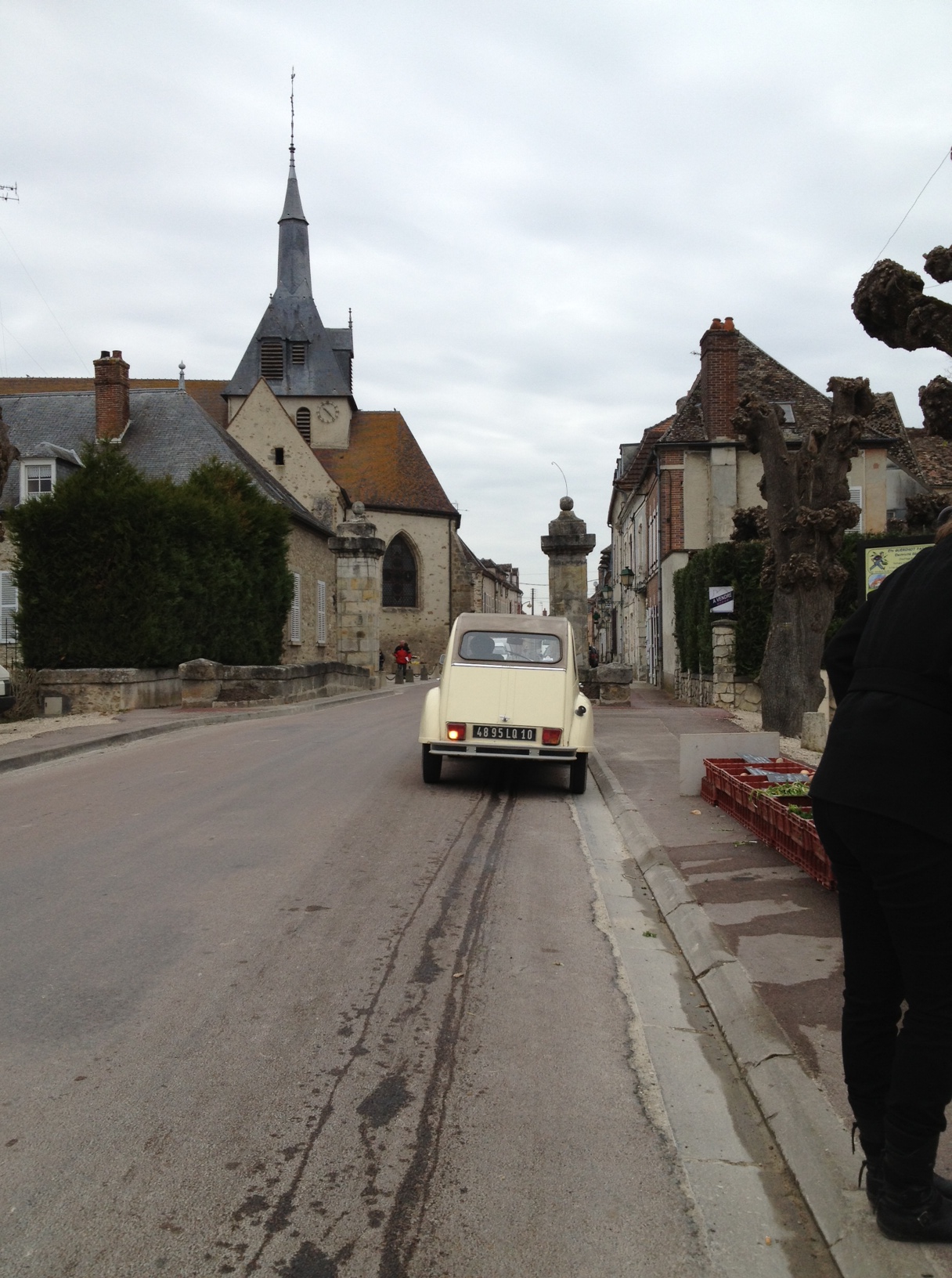
I’m in a region where the terrain is mostly flat with mild undulations, gentle bumps that evoke hills. Clusters of little houses and church bell-towers quietly embellish the rolling green landscape. Many villages which haven’t even a Tabac or a post-officewould certainly have an old church. Barley is a common crop that is cultivated in the fields around here and some of the towns are known to brew beer, although this is the Champagne- Ardenne region. The simplicity of existence and the aesthetic homogeneity in every corner makes it hard to find things that are out of place. We were in a tiny town called Villenauxe-la-Grande on Sunday morning, on our way back from the flea market and Mathilde decided to stop by at a boulangerie to pick up some bread. It also happened to be right opposite an old church, originally built in 1212 but reconstructed many times after. The church is today known for its contemporary stained-glass, designed by British artist David Tremlett. The original stained glass was destroyed during World War II. Right opposite the church and the boulangerie stood a house with the year 1666 engraved above its door. It was up for lease for roughly 800 euros a month. And later that evening, we were at Mathilde’s home, where four generations had been living for two centuries. There seems to be a slight shift in perspective here: the old is actually timeless and the new is Now, in harmony with this timelessness.
France is the country of the Concord and TGV, superfast and supersonic. It is one of the few countries with the highest number of nuclear power plants. But the people are not running after the fad of yoga and organic food, vegetarian and vegan diets, anti-smoking and anti-alcoholism. They love their wine and cigarettes, cheese, cream and meat; a casual walk by the river every evening, and they take pride in their own independence and in giving their guests just enough space to acquire a taste for the nuanced flavours of the region.
Museums are havens of wonderment, beauty, contemplation and realization. I have often been requested by museum security personnel to head towards the exit at closing time, even after spending the entire day looking at different sections. But this time in France, I have had little need to step into a museum because what I encounter everyday through the real stories of people, through small outings and drives, and even by just looking out of a window- is what I have got in many museums. Which is why it is about time I headed towards the exit and woke up to reality, noise, dust, grime and cat-fights.
Soon!

 Malavika Rajnarayan