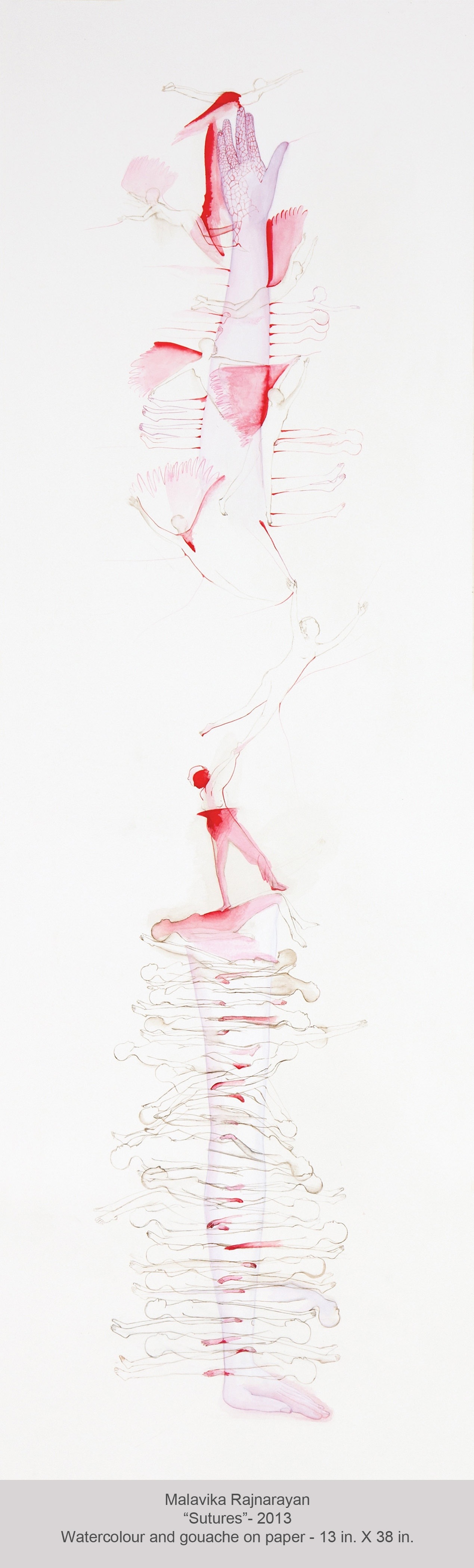
“This smog! What colour is it? Can you see? Can you see through it? What was it they burnt?”
“Crops? Carbon… or just some paper? All this carbon deposit…”
“But, why is everyone running now?”
“It’s still burning. Don’t you see the smoke? Oh… you cannot see the smoke, because of the smog. They are different from one another. Smoke can be black-ish, smelly and all-pervasive. Smog is more like a haze, also all-pervasive. The colour and smell of smoke are unmistakable signs of bad toxic elements, because it leaves all that carbon deposit… where?…For God’s sake, look at the hole in the ozone layer!! Impure rot has shot through the roof… Smog? That’s just some winter haze, foggy, hill-station in the clouds, heavens descending for a vacation. You hear it’s bad too? Well, you can only hear; because you cannot see. Poor visibility is because of the smog. No.. this is not about the poor! It’s about vision. When the vision gets poorer, a fire must be lit. The smog is powerful and all-pervasive! But first, we need to get rid of the rot. For that, we have to burn a lot of carbon and there will be a lot of smoke. This is a sacrificial bonfire. The more people contribute, the brighter it will burn. Once all the carbon is burned, it will be cleaner. Brighter.”
“Where’s the fire? Where’s the fire? We must jump in and prove our purity!… but, can we breathe after that?”
“The smoke will take time to clear but once it clears, there will be no carbon. No dirt.”
“What about this smog? Where does that come from? Will that clear? It’s neither smoky, nor transparent. Can you see? Can you breathe?”
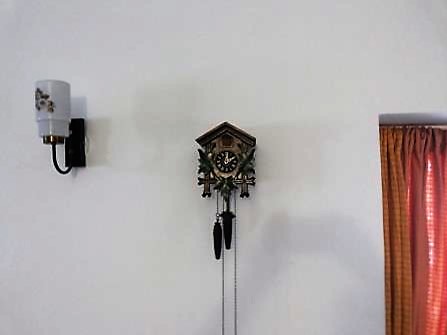
Clocks have always fascinated me right from a young age of six when my father imported a German Kienzle chiming clock way back in 1954. It chimes every 15 minutes even today. He then went on to get himself a Cuckoo Clock after which my mother was obsessed with showing it off to anyone visiting our house. Children were no exception and so my children and nephews and nieces had to be taken to stand in front of the Cuckoo clock and patiently wait for the next hourly chime.
Like all things mechanical, the clock had to stop working either due to wear and tear or lack of lubrication. For lack of any worthwhile incentive, the Cuckoo clock got mothballed out of sight for a few years. But, the need to clear up a lot of clutter in various storage almirahs recently got the Cuckoo Clock out once again two…
Yes, 4th block. Jayanagar 4th Block. Printo at 9th Block, which has become the one-stop-point to get digital printouts had a non-functioning colour printer on the day I desperately needed to get some prints as a surprise for my mother on her birthday. So, I called my one-stop-person for all questions on Jayanagar- Sonia Jose- and she directed me to another place. I eventually ended up at a place I thought had long disappeared (and not the place Sonia recommended). Concord Business Centre. They are no longer near the Jain temple. They are on the road that connects the former RV Dental College to the Nanda Talkies road. Turns out to be a far more entertaining and intriguing set-up than what I remember of the old place. That manager-uncle has all kinds of things hung up on his walls ranging from religious icons and divinity to motivational posters to photographs of Jaggi Vasudev and Sir. M. Visveswaraiah. They certainly hope to please all. I sat on the sofa in the foyer waiting with slight impatience to be asked for my pen-drive. My eyes kept wandering through the place. On one corner was a small 4 ft standee with a little notice printed on A4 paper, framed neatly on top of the standee. It said something on the lines of: “Please do not bring us requests to modify your marks-sheets and degree certificates. We do not believe in undertaking such tasks. You may not be happy with us today if we refuse your request but you will understand our position many years from now. It is our principle to not partake in these malpractices”. Then a lady who just got her printing job completed stepped out for a minute only to walk back in on a second thought asking, “Uncle, nim hathra vangibath pudi idhiyaa?”; and he pointed her to a small table positioned quite centrally near the partition of the printing units and computer systems. There were about half a dozen plastic dabbas each labelled “Sambhar powder”, “Vangibath powder”, “Rasam powder”, etc. She opened the appropriate box and helped herself to one of the sealed packets inside. Subsequently I noticed a couple of other people who walked into the Business Centre to help themselves to other masalas from the table and every time any of them opened the dabbas, the entire place would be washed over with an aroma of spices. Not far from this dabba-table was a book-stand with Kannada books. The stand had a notice that from afar read “Books for Sale” but when I went closer, there was the word “NOT” written in pencil between “for” and “Sale”. I read one of the Kannada titles : “Laif ees byutiful”, and another read “Ai em yu”. Right behind the bookstand was a notice board on the wall. One of the things pinned up was what I understood to be a promotional card for the masala dabbas on the table- “D N Condiments” (if I remember the name right). Another small poster was an advertisement for the other “manager uncle” whom I saw sitting in the inner room that was in view from the foyer. I somehow assumed that he might have been a business-partner/ finance manager. The poster however portrayed him as a mentor for Personality Development ranging from “Confidence boosting” to all those other phrases that are so hard to remember when it comes to building a strong personality. Just when I began to think that this place couldn’t get more quirky, I sat down in the foyer waiting for my prints and picked up what looked like a boring college/ university publication- something from a medical college of Kolar university. A random page that I opened had listed academic papers and their abstracts in brief. One of the paper’s titles went something like this: “How to educate diabetic patients in buying the right footwear”, and another was something like “The effects of Selfies on the performance of… (some category of people)”; all this interspersed by other serious academic papers about pulmonary heart conditions and their various sub-complications. I actually couldn’t put that journal down, every title was fascinating in its most boringly presented schema. I was very tempted to talk to the manager-uncle and ask him more about all these details in his “Business Centre”, take a few photos and record the experience. But the cloudy weather, cool breeze and partially busy street in the residential locality just left me in a state of inertia; to experience this odd and quirky world of a printing centre that I had rediscovered. I was afraid that I would miss something in my zest to record anything, even in a few moments of taking my eye away from absorbing as much as I could of what was going on. As for my digital prints, they were just perfect!
I was invited to write a guest-post on a discursive blog that is initiated by Rahul Bhattacharya, who is curating an exhibition titled The Possibility of Being.
It has barely been over three weeks at the CAMAC residency and yet so intense in every sense. We were all invited for a drink on Sunday evening to Mathilde’s home, our first experience of a get-together hosted by a local French resident in Marnay. Amongst the guests was the only Englishman in the village, who moved here from Manchester two years ago. Mathilde had taken us to a flea market earlier that morning, which was more like many garage-sales put together. Like the ‘Friday market’ and ‘Sunday market’ in India, a lot depends on chance for finding a good object and a good deal. My beginner’s luck has rarely gone past the dart-board.
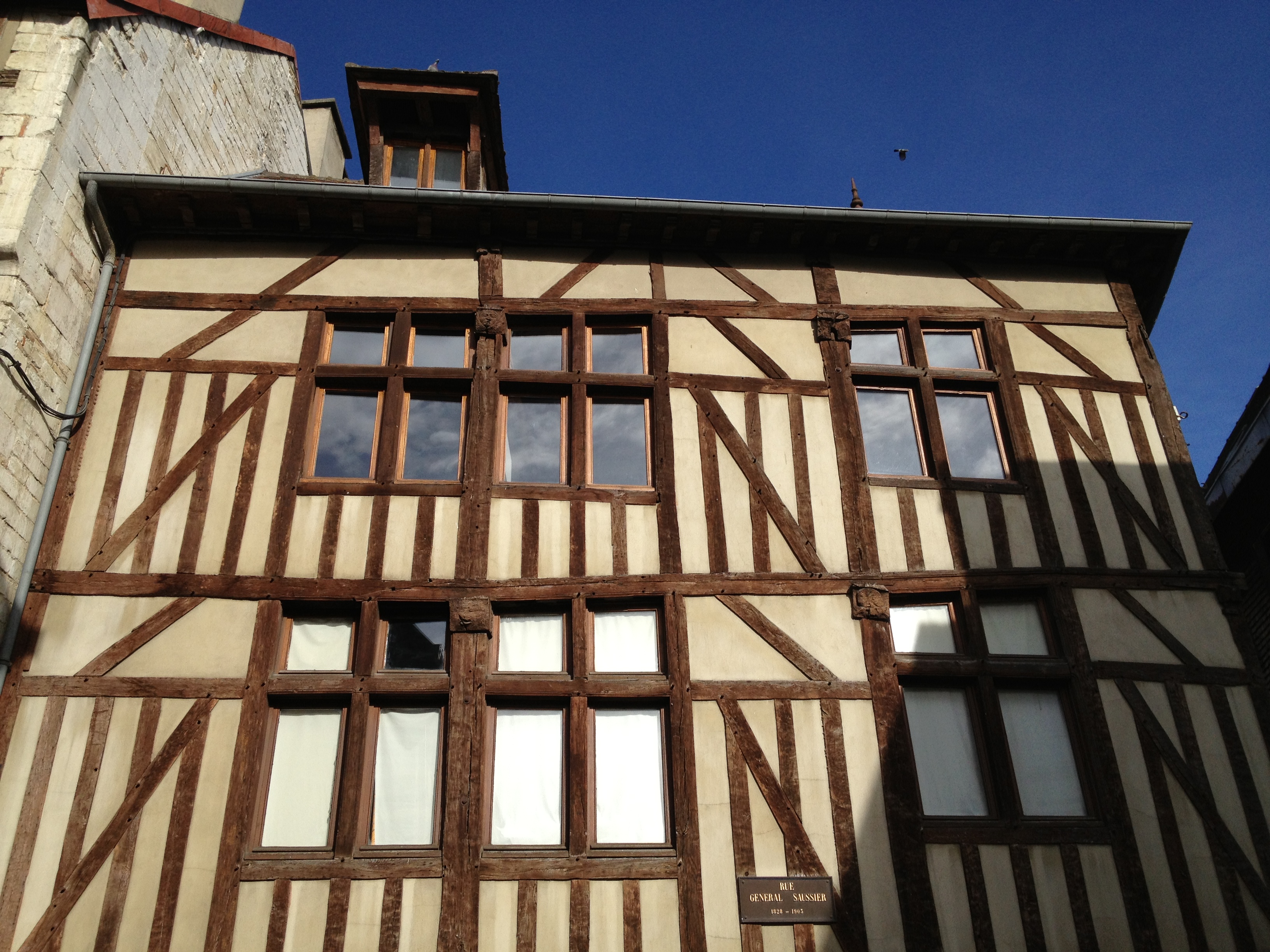
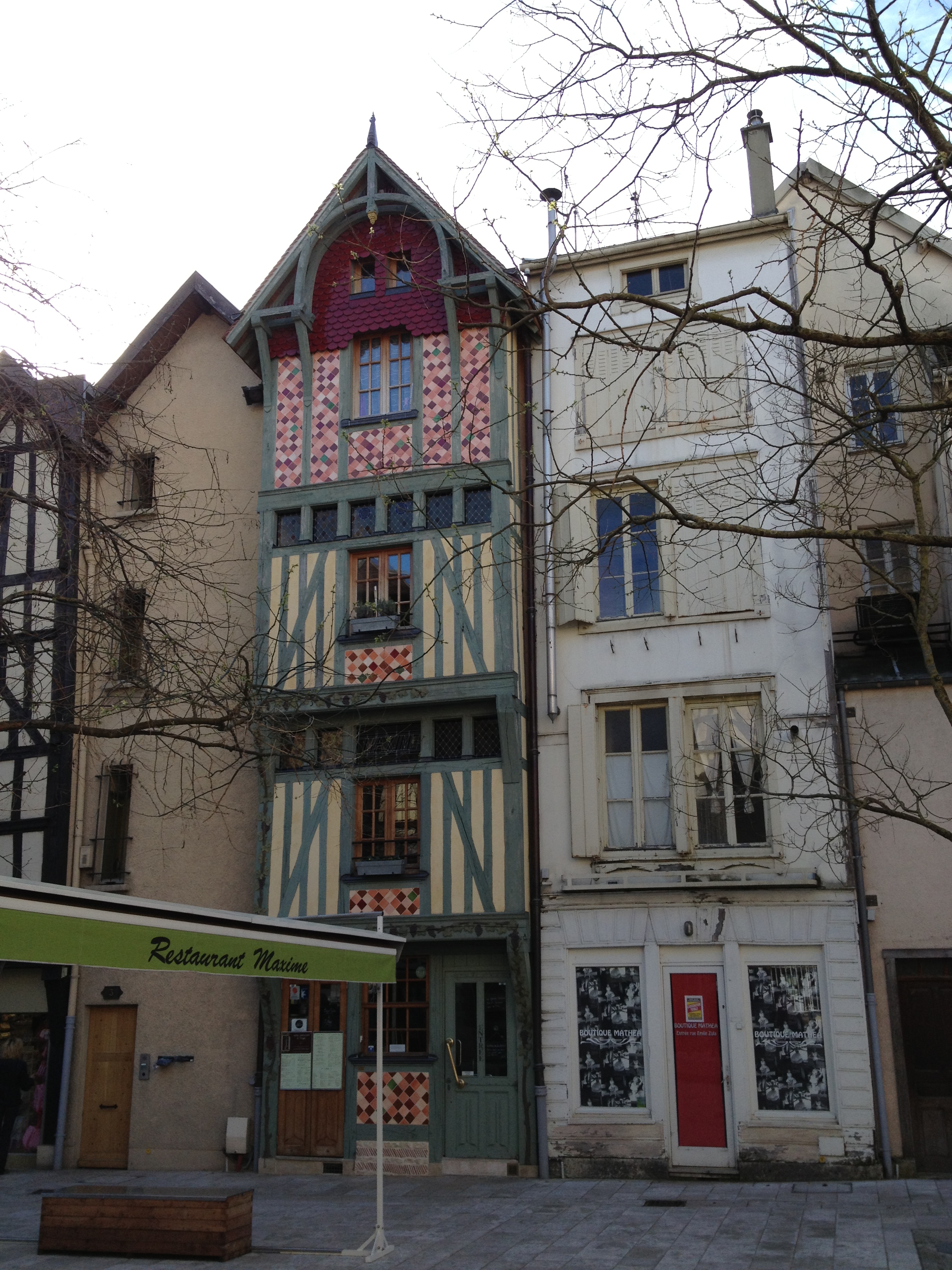
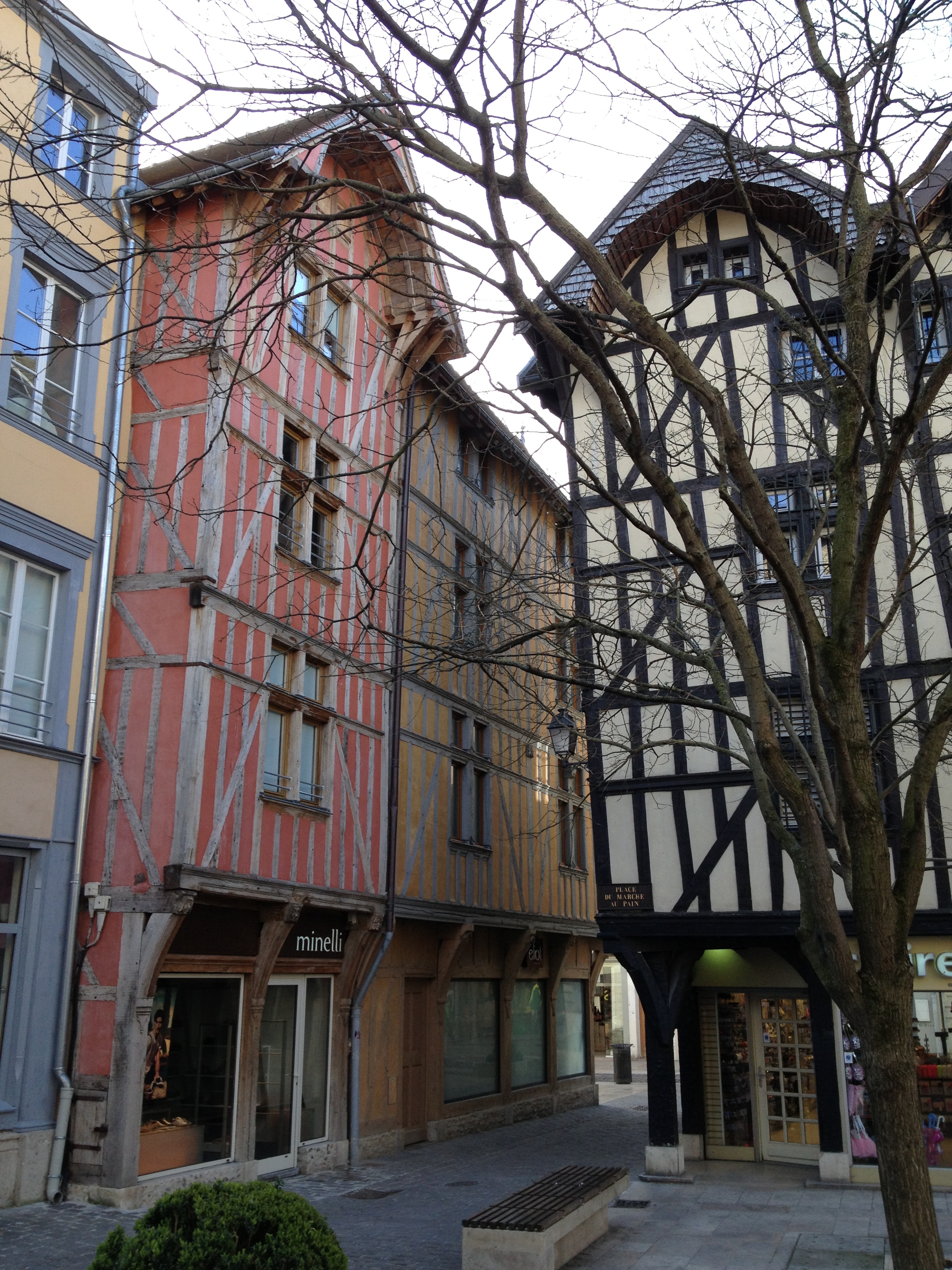
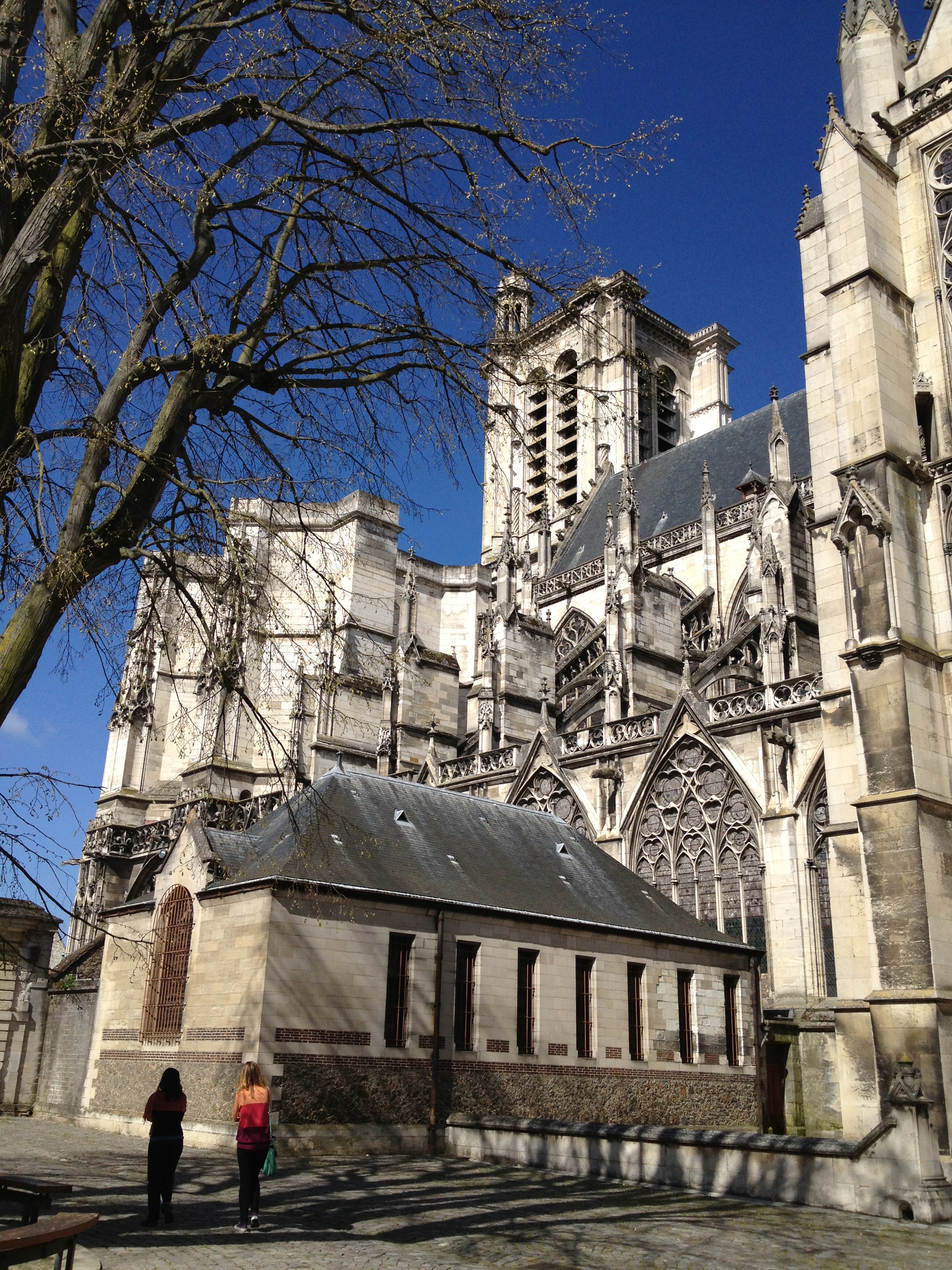
Mathilde also took us to Troyes (pronounced ‘Twah’) on Friday, a fairly big city that is again incredibly picturesque and at the same time, has a life that is not consumed by tourists. Driving to Troyes and to the other little towns we passed when we went to the garage sales gave us the experience of being in the countryside. Of all the impressionists, I’m somehow reminded the most of Alfred Sisley’s landscapes which seem to have best captured the true essence of the French countryside. Monet, Van Gogh and Gauguin have stolen the limelight to such an extent that one forgets to see “France” and only sees emblems of impressionism, which have unfortunately become what Ravi Varma is for Indian art: popular images for calendars.
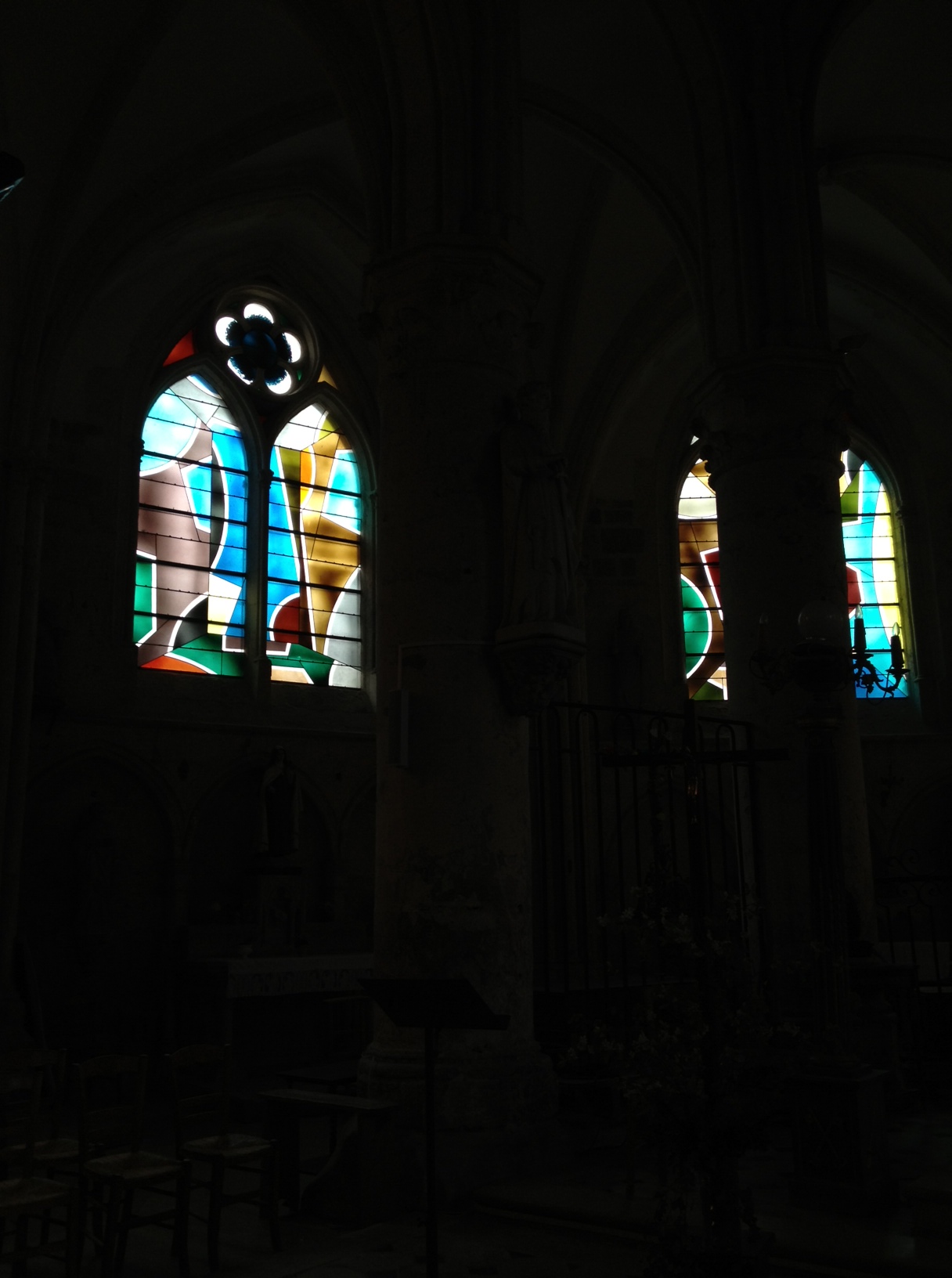
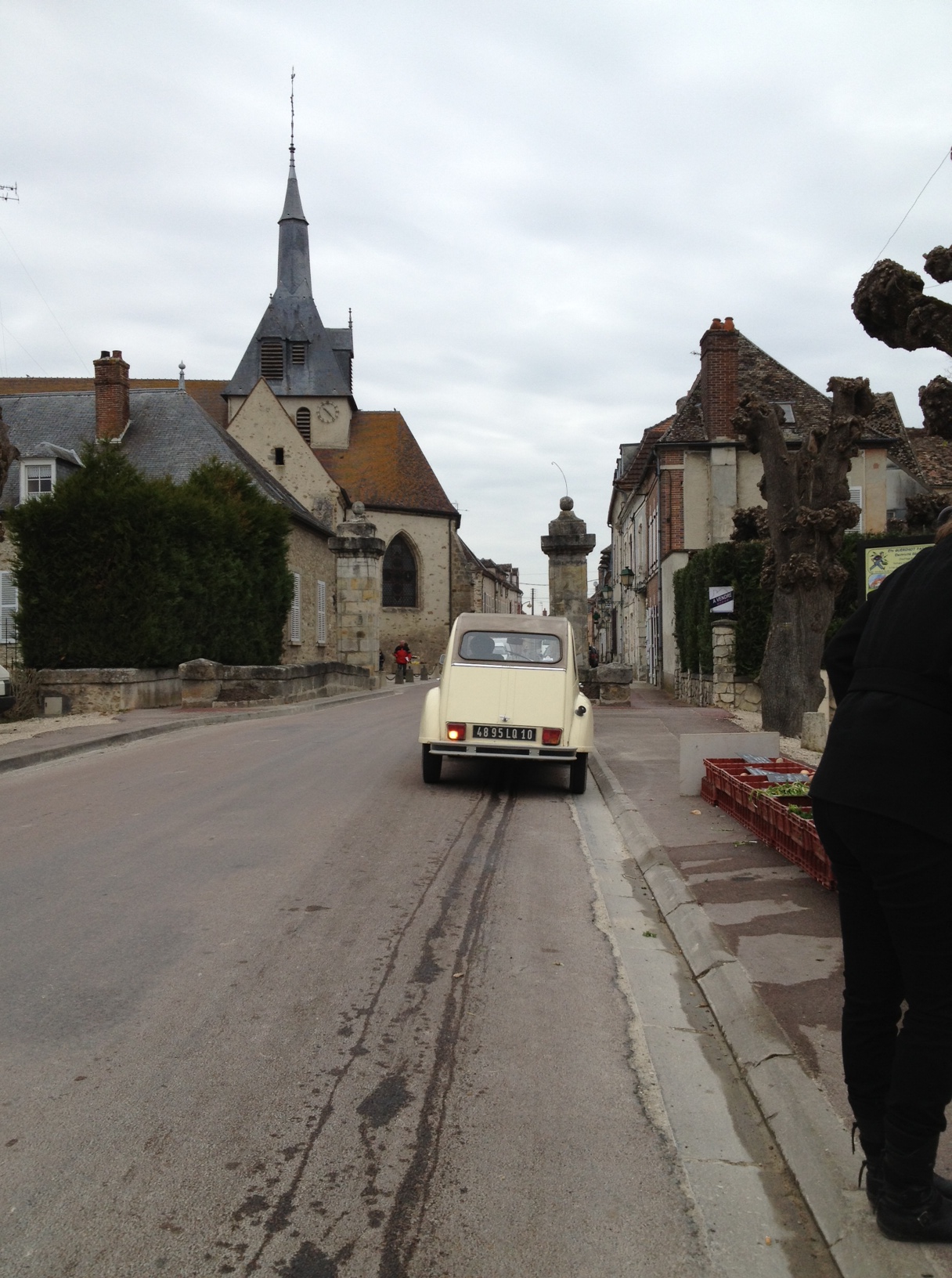
I’m in a region where the terrain is mostly flat with mild undulations, gentle bumps that evoke hills. Clusters of little houses and church bell-towers quietly embellish the rolling green landscape. Many villages which haven’t even a Tabac or a post-officewould certainly have an old church. Barley is a common crop that is cultivated in the fields around here and some of the towns are known to brew beer, although this is the Champagne- Ardenne region. The simplicity of existence and the aesthetic homogeneity in every corner makes it hard to find things that are out of place. We were in a tiny town called Villenauxe-la-Grande on Sunday morning, on our way back from the flea market and Mathilde decided to stop by at a boulangerie to pick up some bread. It also happened to be right opposite an old church, originally built in 1212 but reconstructed many times after. The church is today known for its contemporary stained-glass, designed by British artist David Tremlett. The original stained glass was destroyed during World War II. Right opposite the church and the boulangerie stood a house with the year 1666 engraved above its door. It was up for lease for roughly 800 euros a month. And later that evening, we were at Mathilde’s home, where four generations had been living for two centuries. There seems to be a slight shift in perspective here: the old is actually timeless and the new is Now, in harmony with this timelessness.
France is the country of the Concord and TGV, superfast and supersonic. It is one of the few countries with the highest number of nuclear power plants. But the people are not running after the fad of yoga and organic food, vegetarian and vegan diets, anti-smoking and anti-alcoholism. They love their wine and cigarettes, cheese, cream and meat; a casual walk by the river every evening, and they take pride in their own independence and in giving their guests just enough space to acquire a taste for the nuanced flavours of the region.
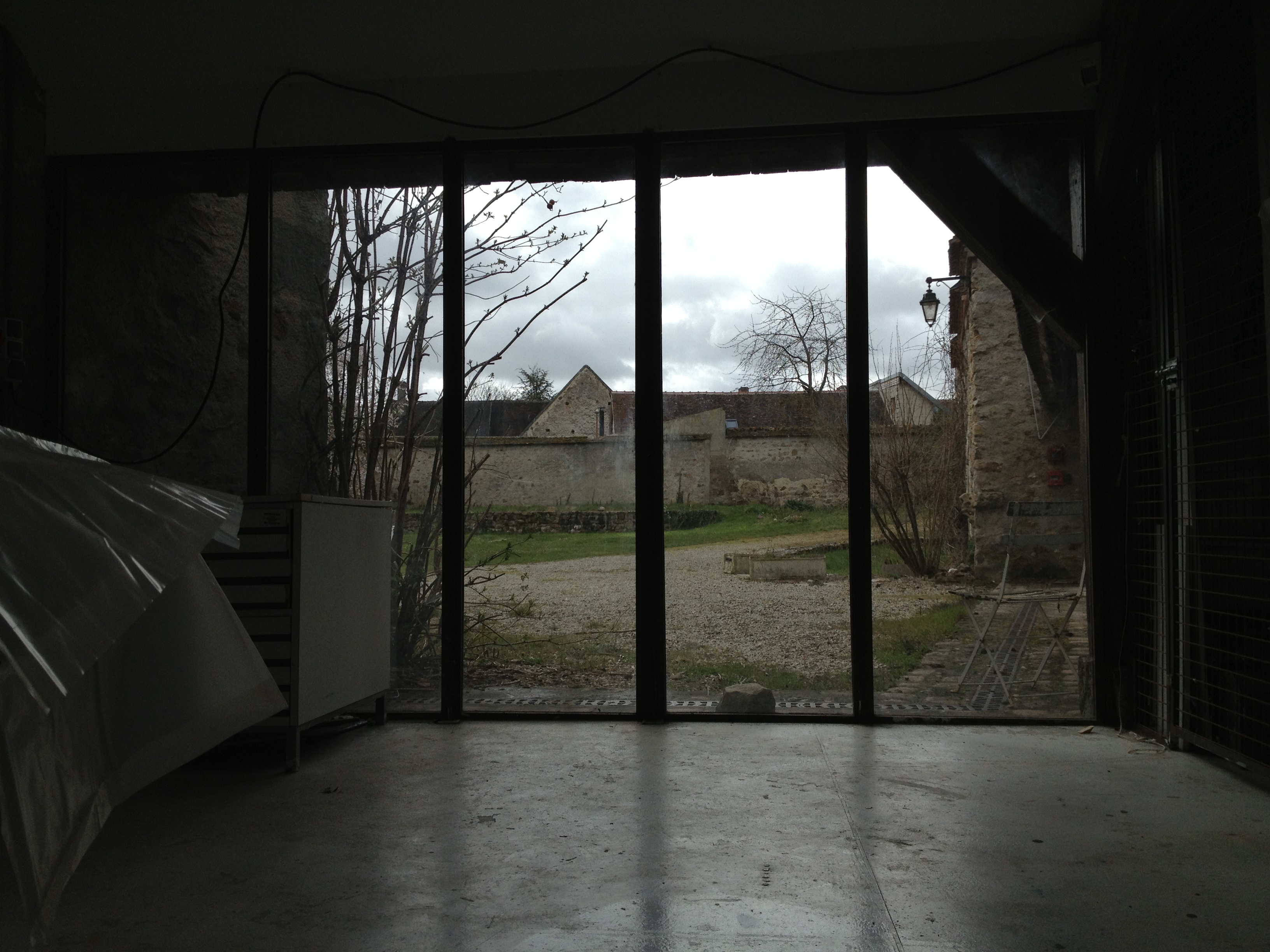
Museums are havens of wonderment, beauty, contemplation and realization. I have often been requested by museum security personnel to head towards the exit at closing time, even after spending the entire day looking at different sections. But this time in France, I have had little need to step into a museum because what I encounter everyday through the real stories of people, through small outings and drives, and even by just looking out of a window- is what I have got in many museums. Which is why it is about time I headed towards the exit and woke up to reality, noise, dust, grime and cat-fights.
Soon!
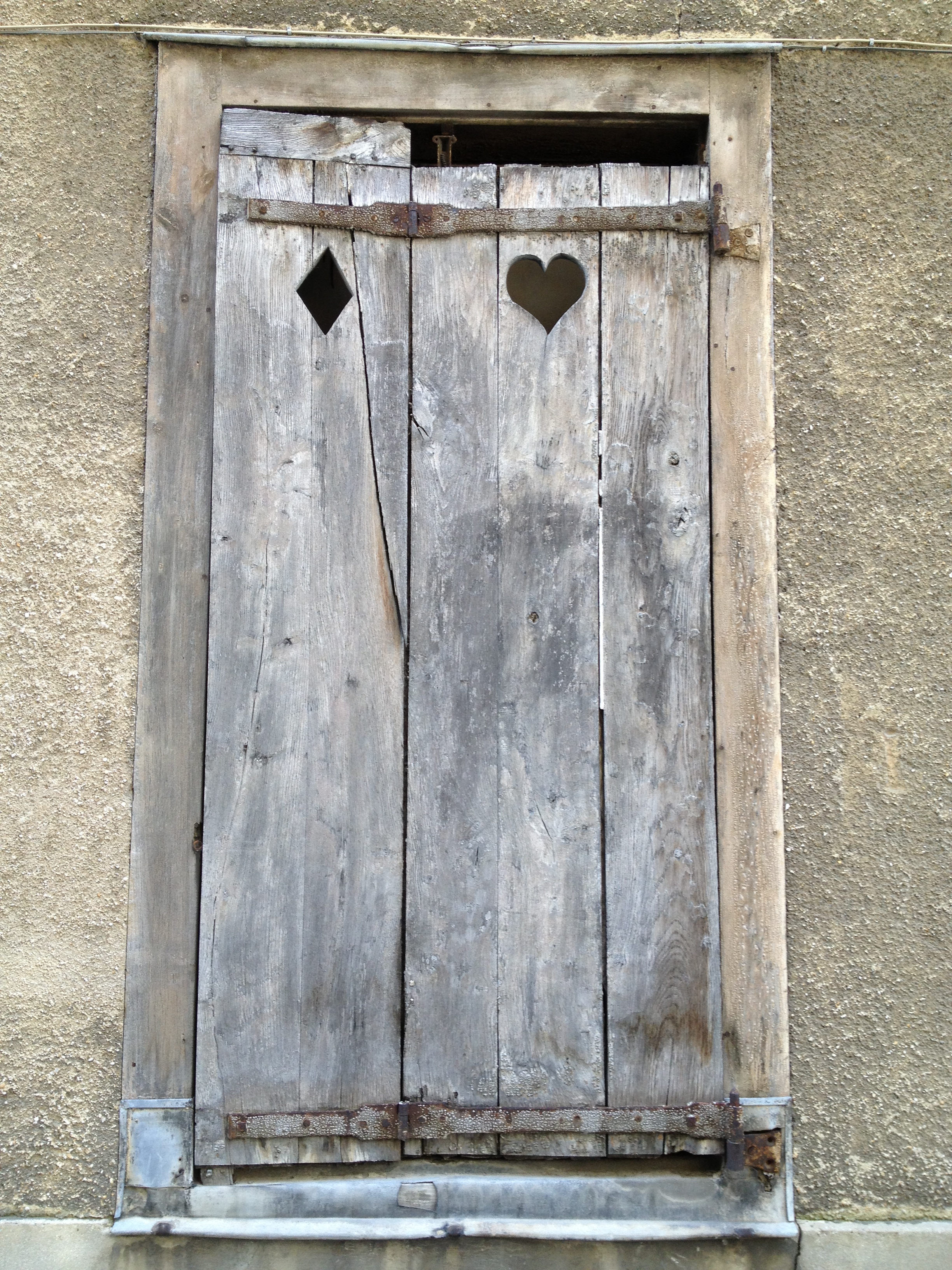
Clouds in windows, TroyesCrazy building in Troyes
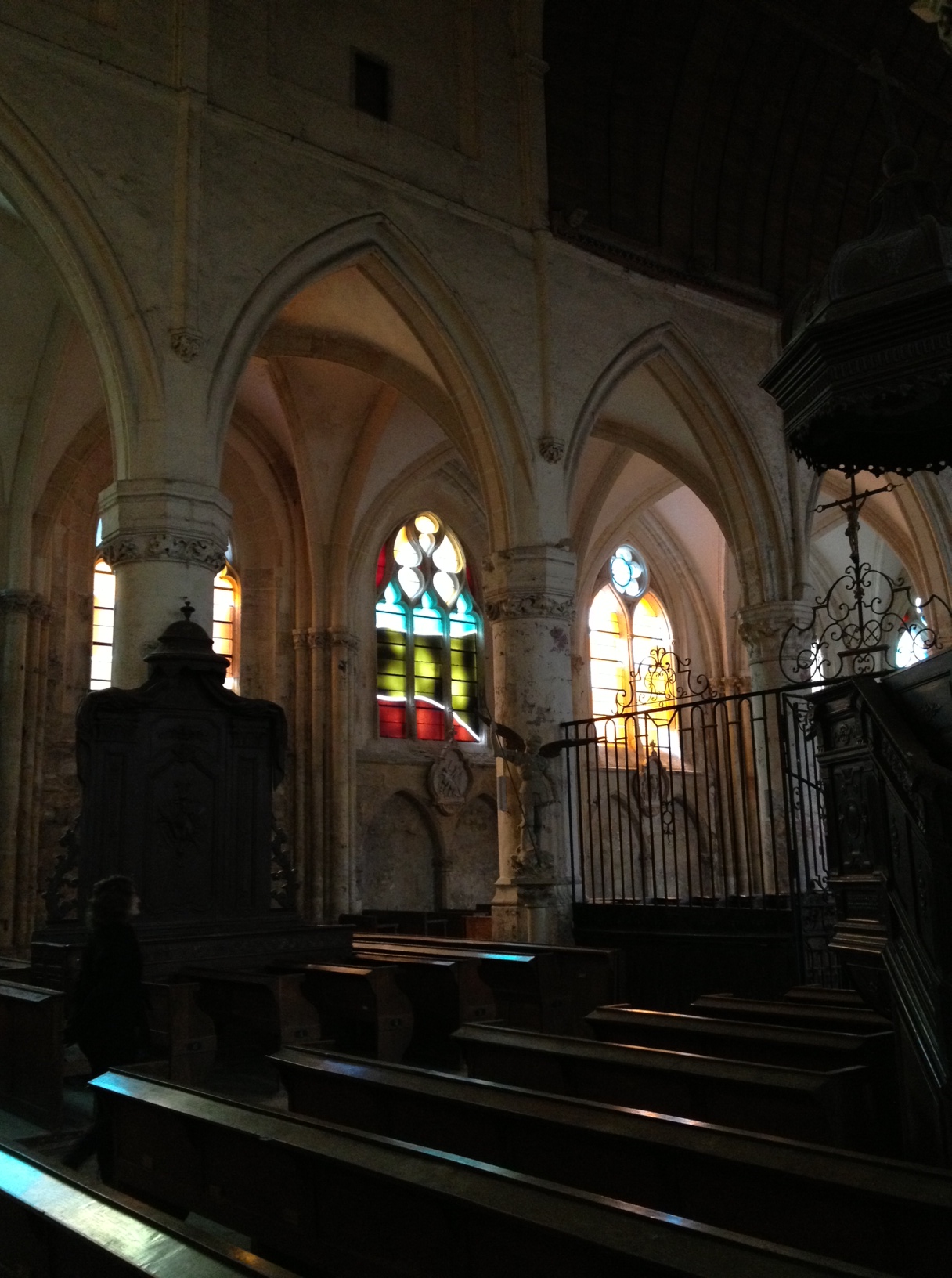
House of cards?Stained glass inside the Church of St.Pierre and St.Paul, TroyesThe Church of St.Pierre and St.Paul in TroyesDavid Tremlett’s stained-glass inside the church in Villenauxe-la-Grande
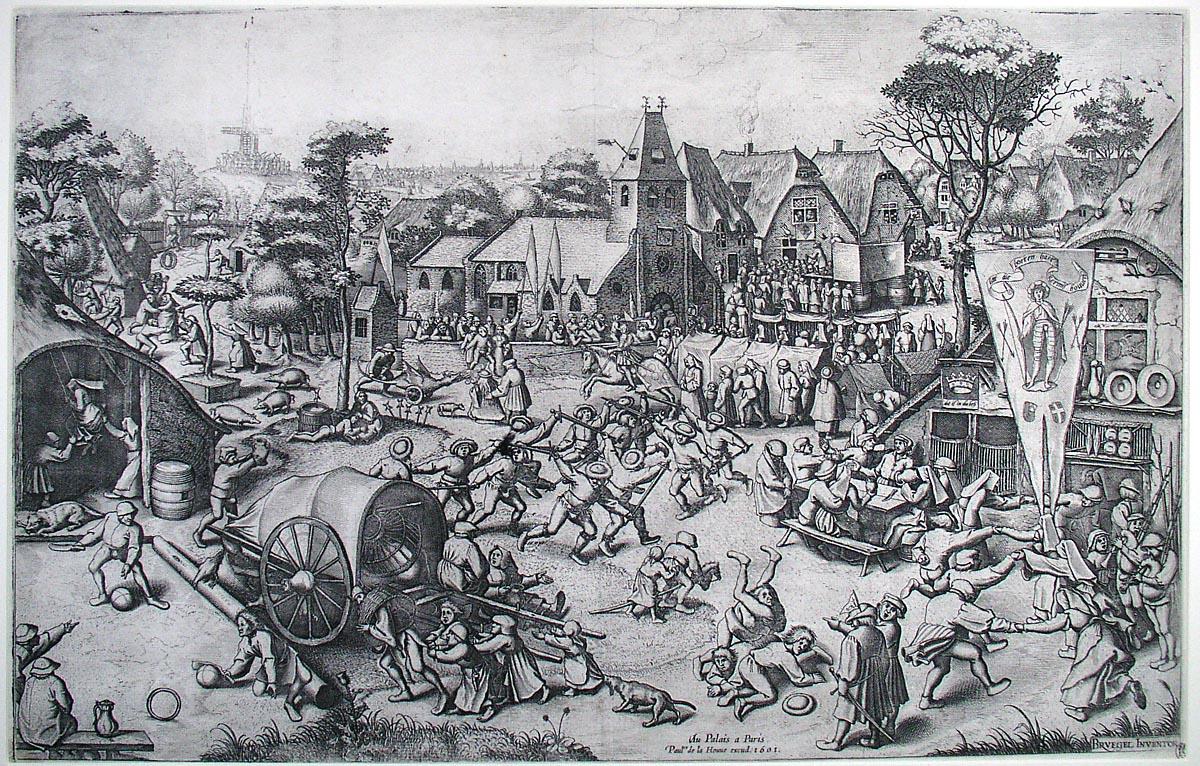
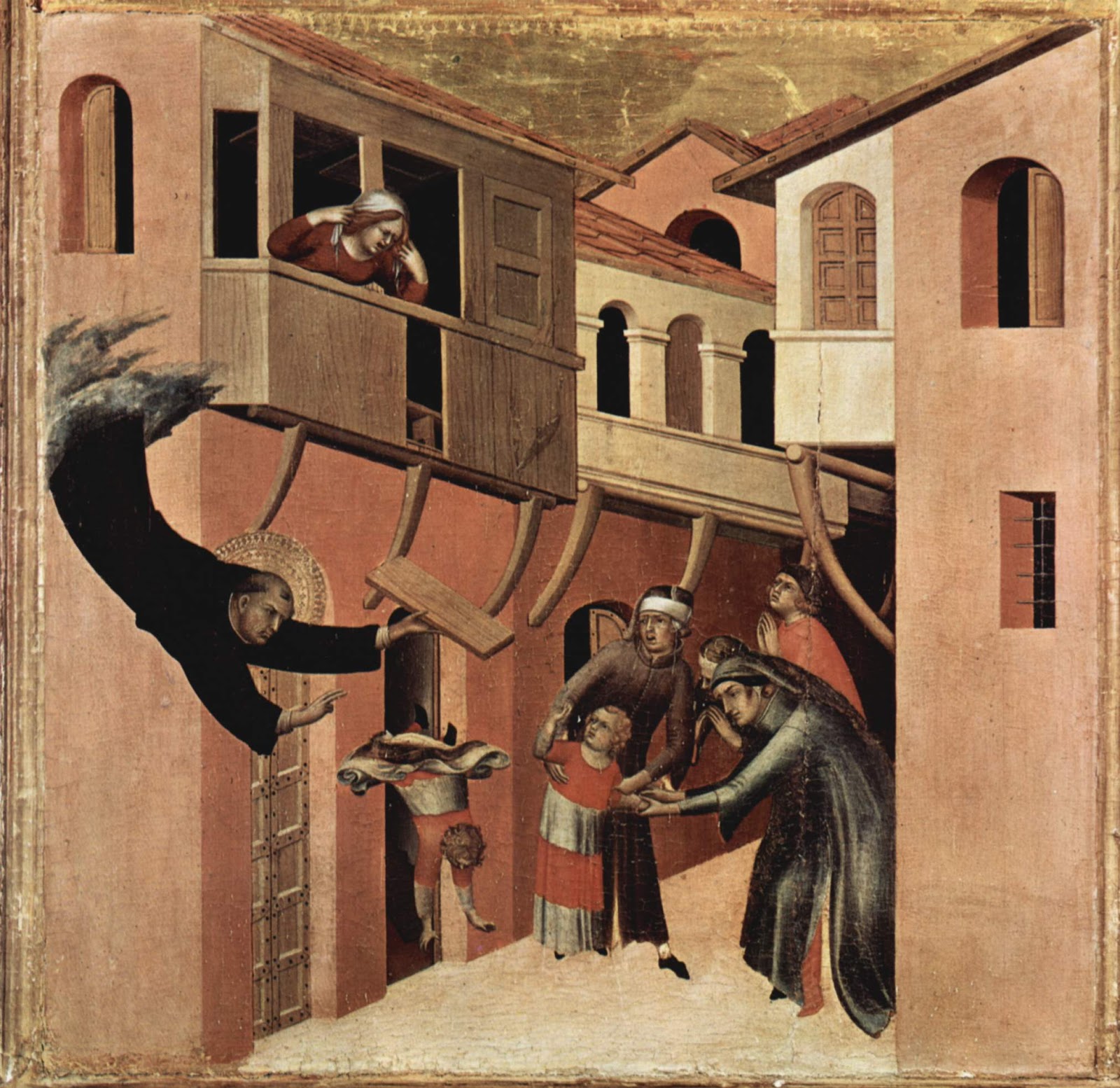
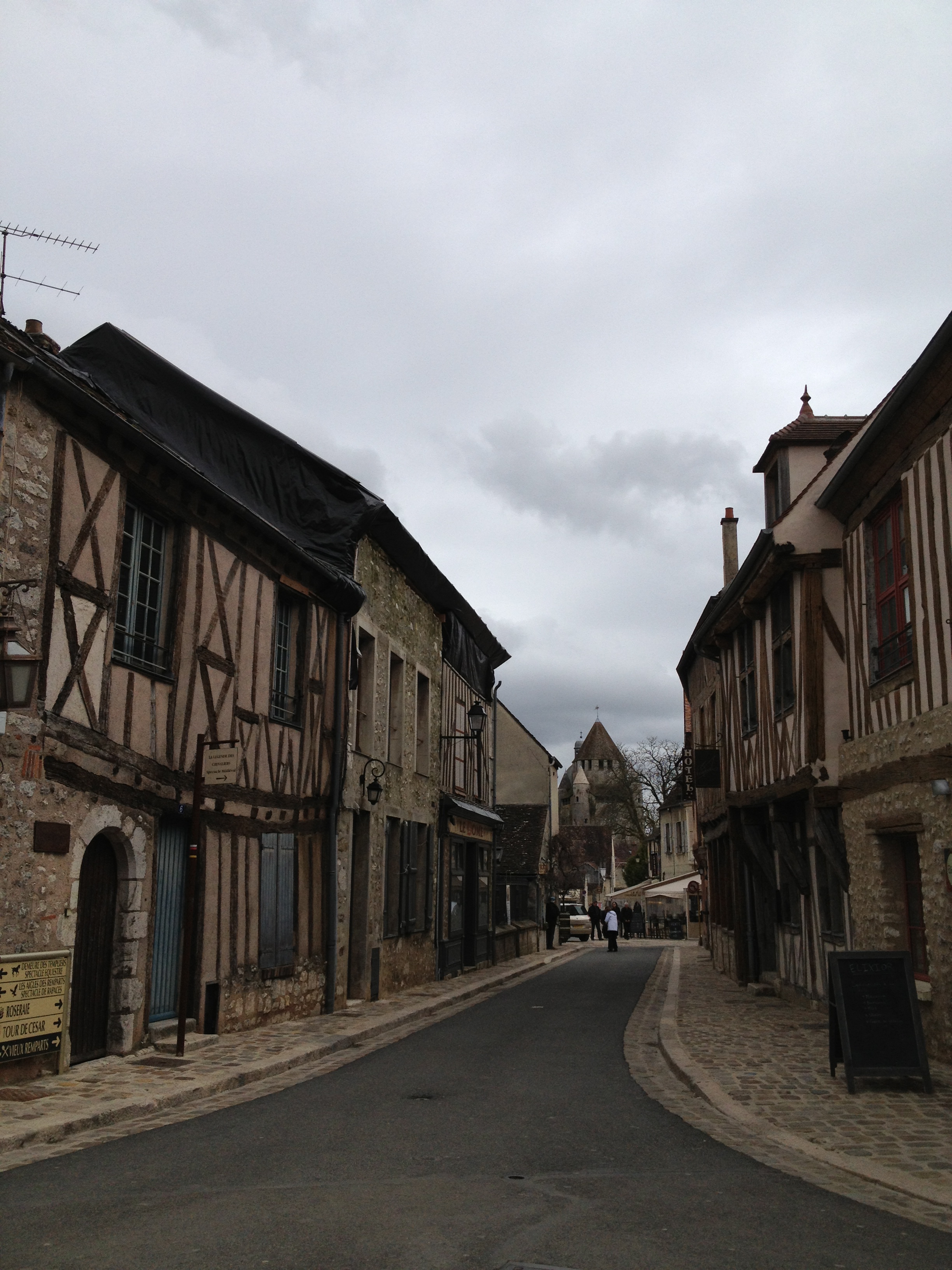
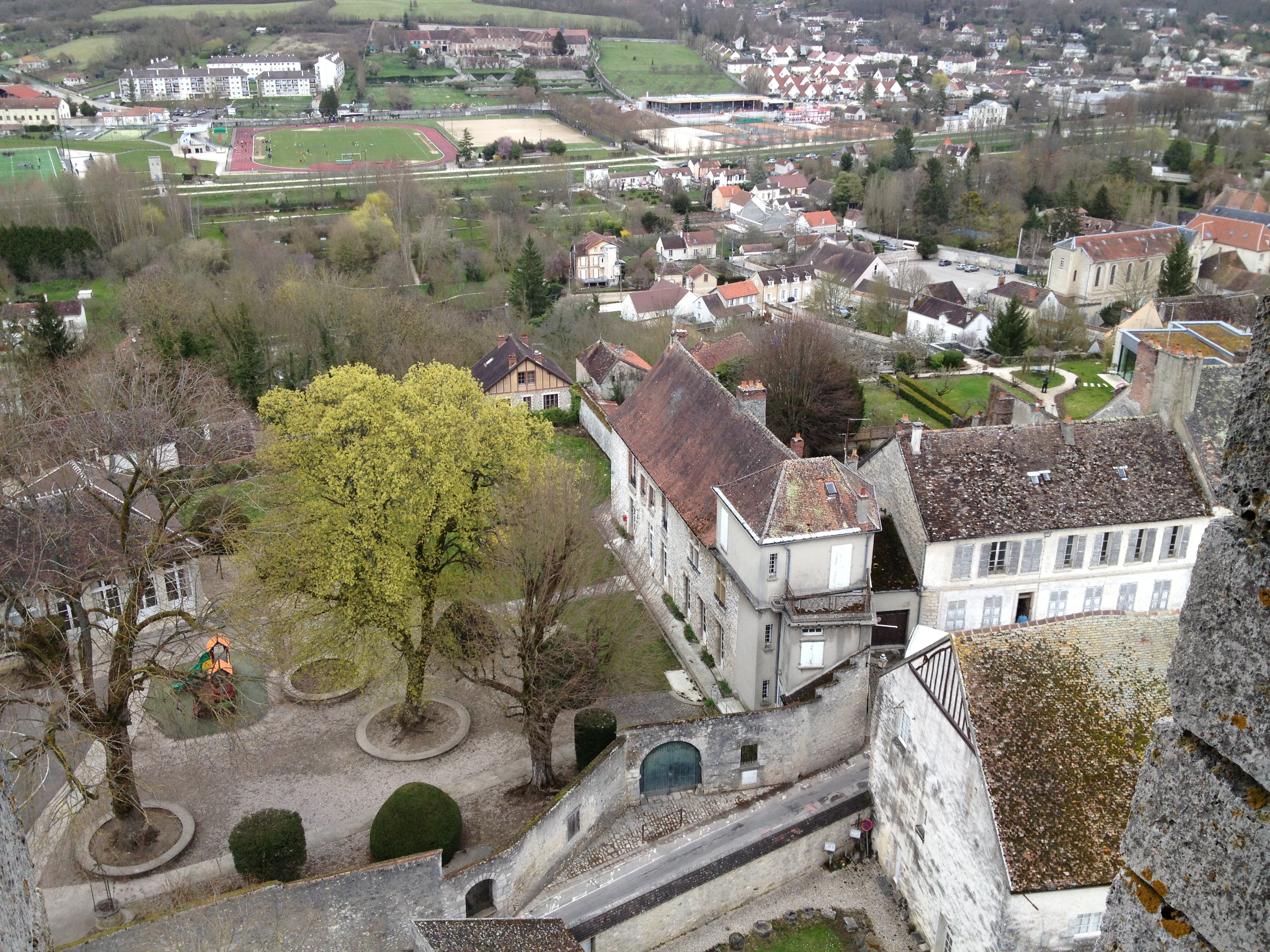
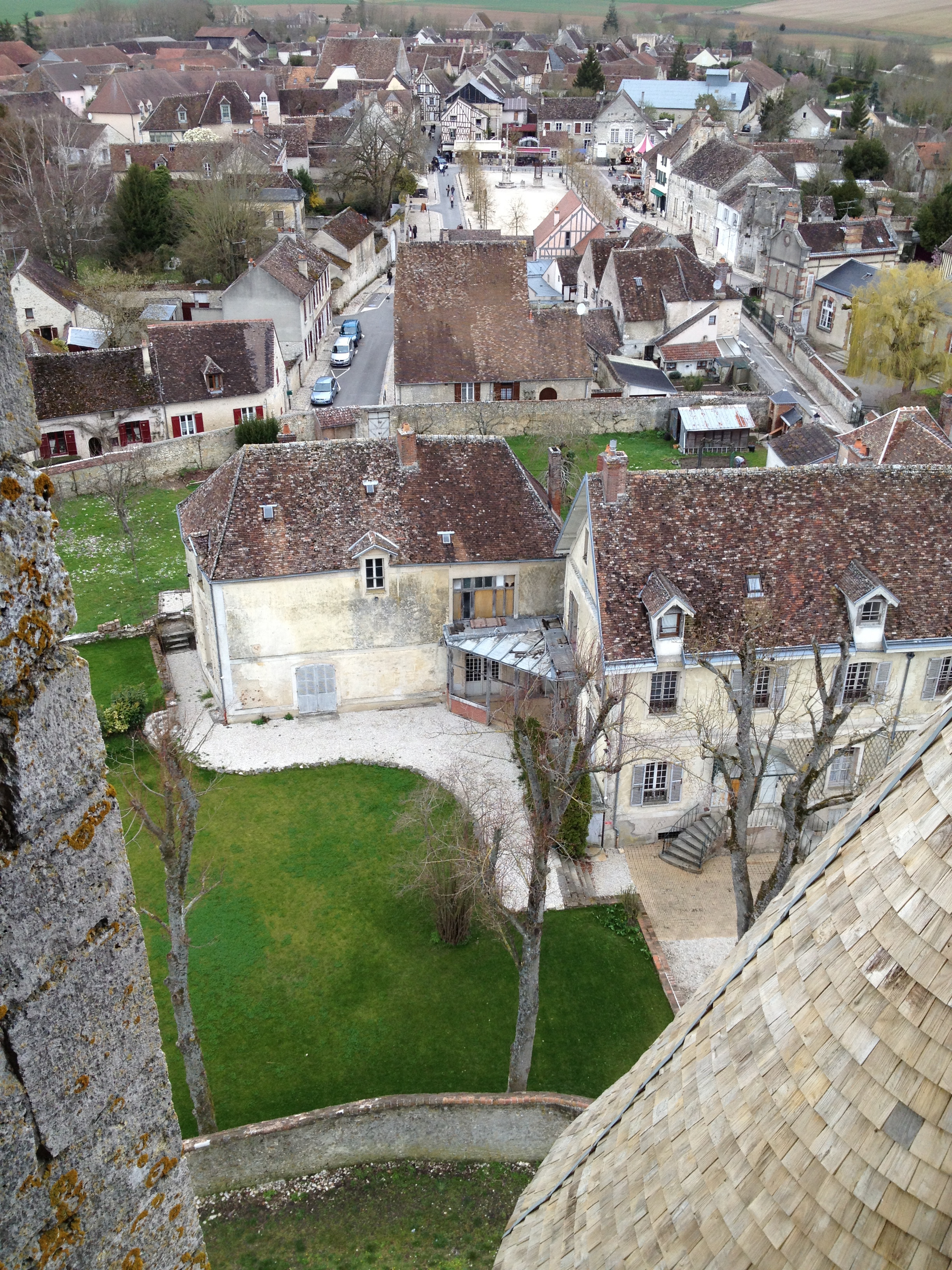
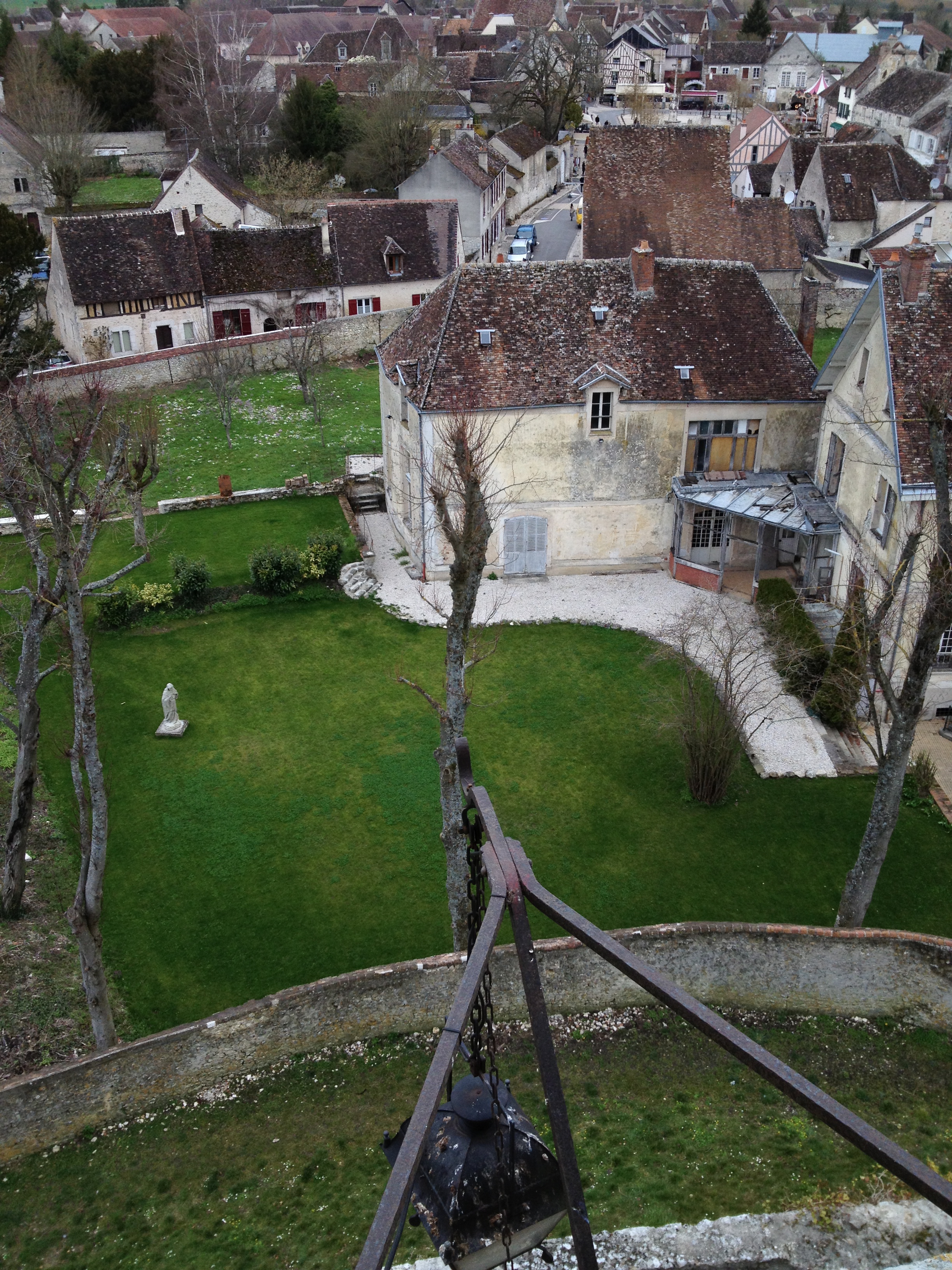
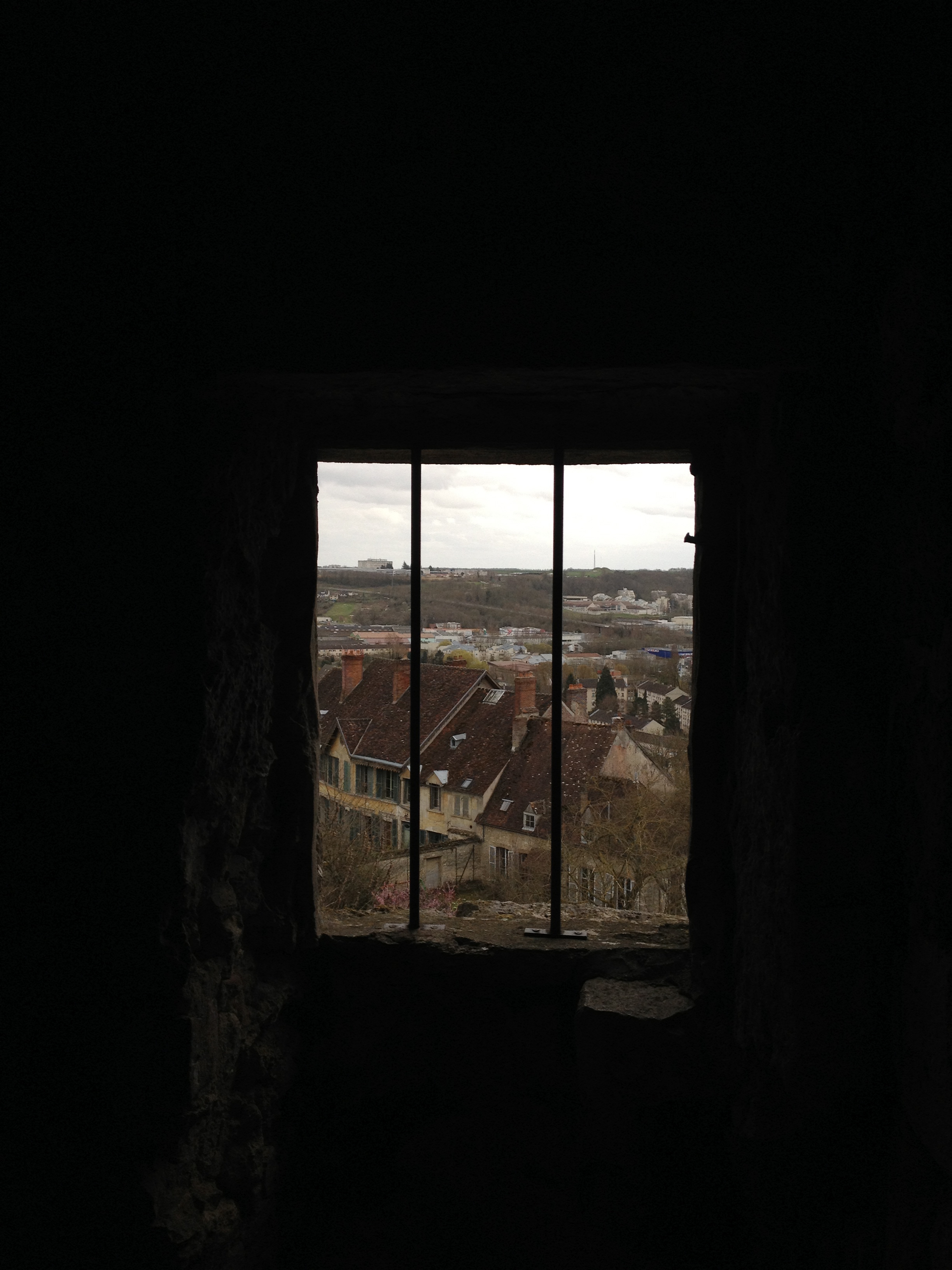
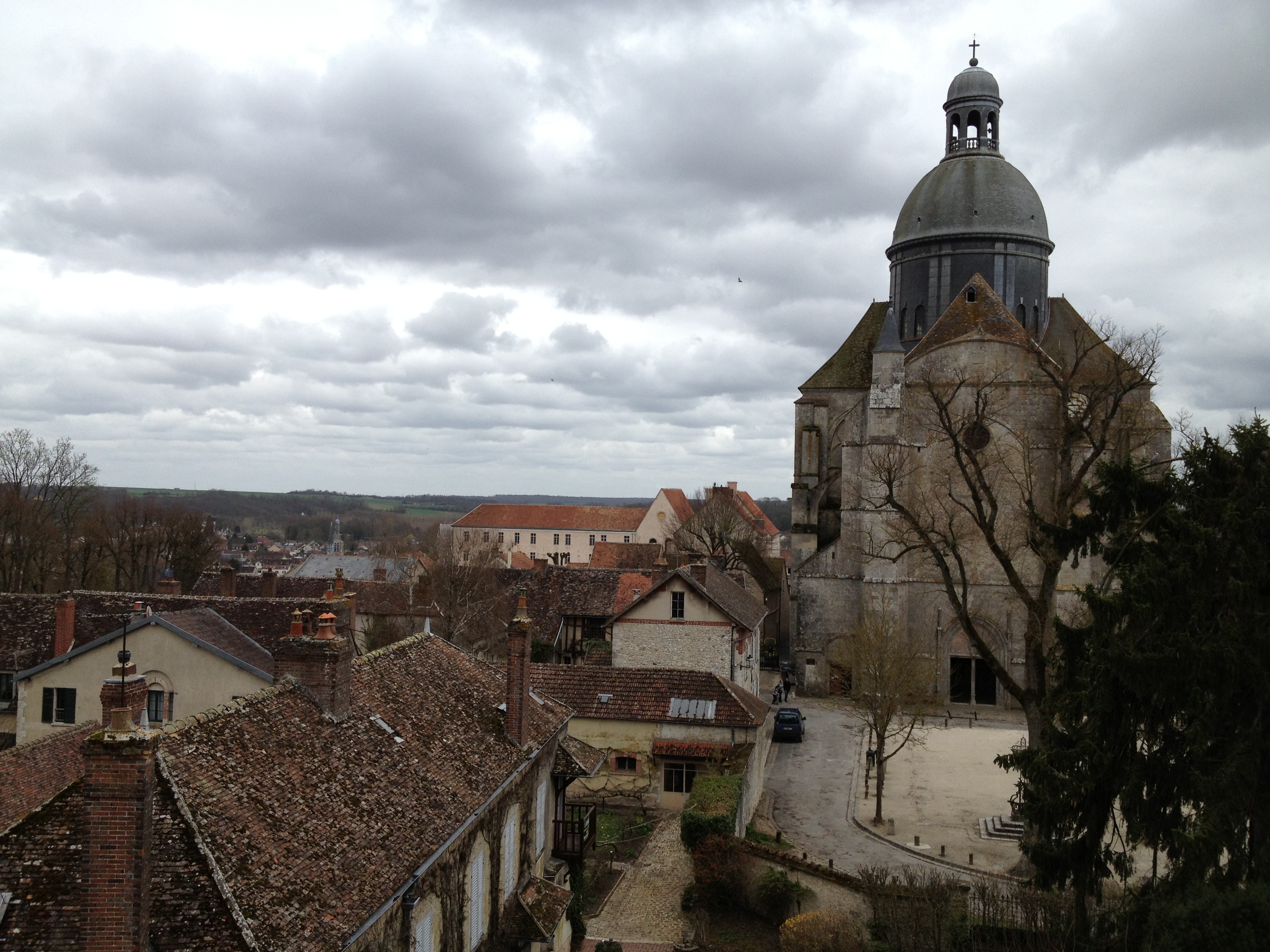
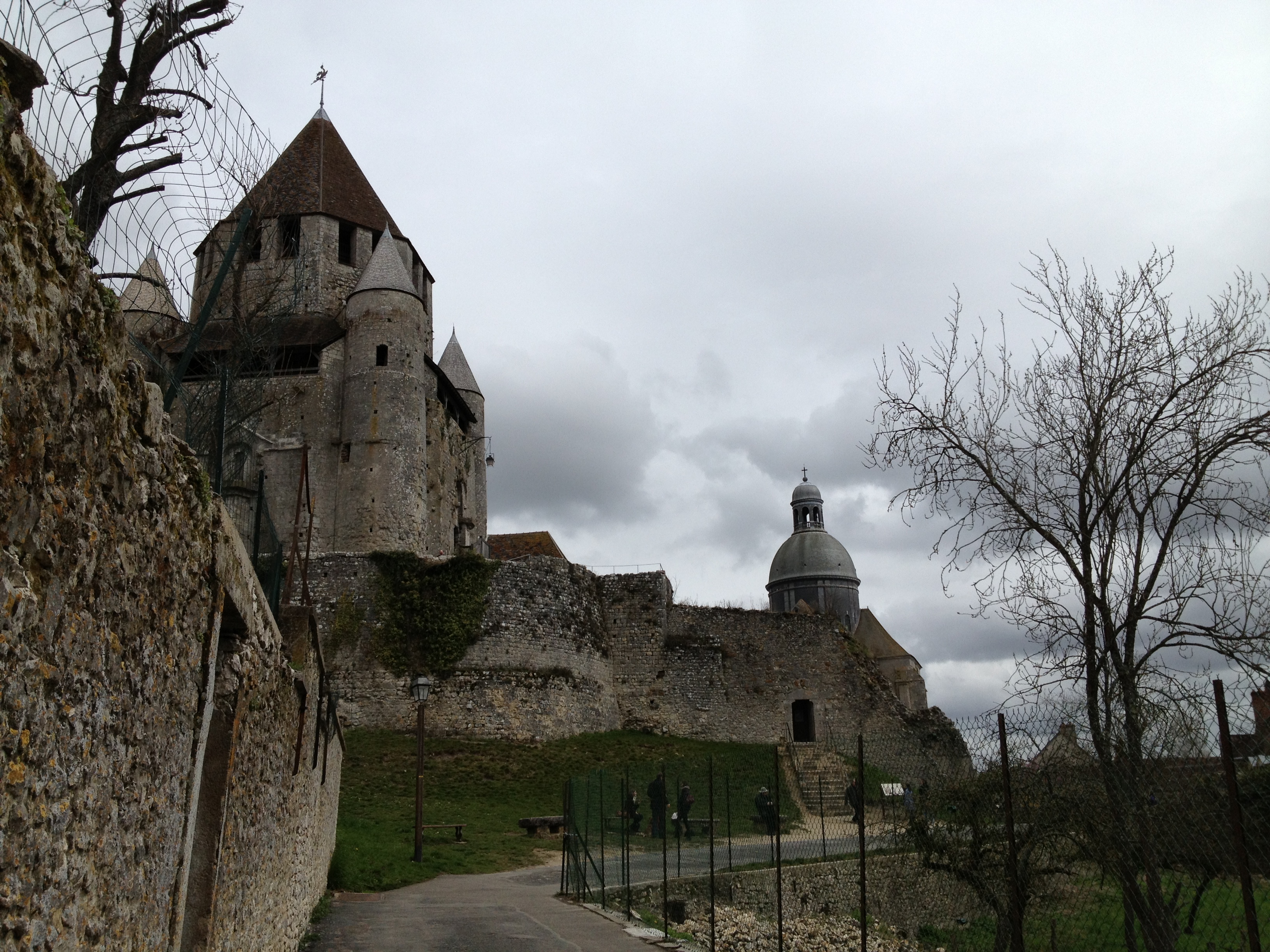
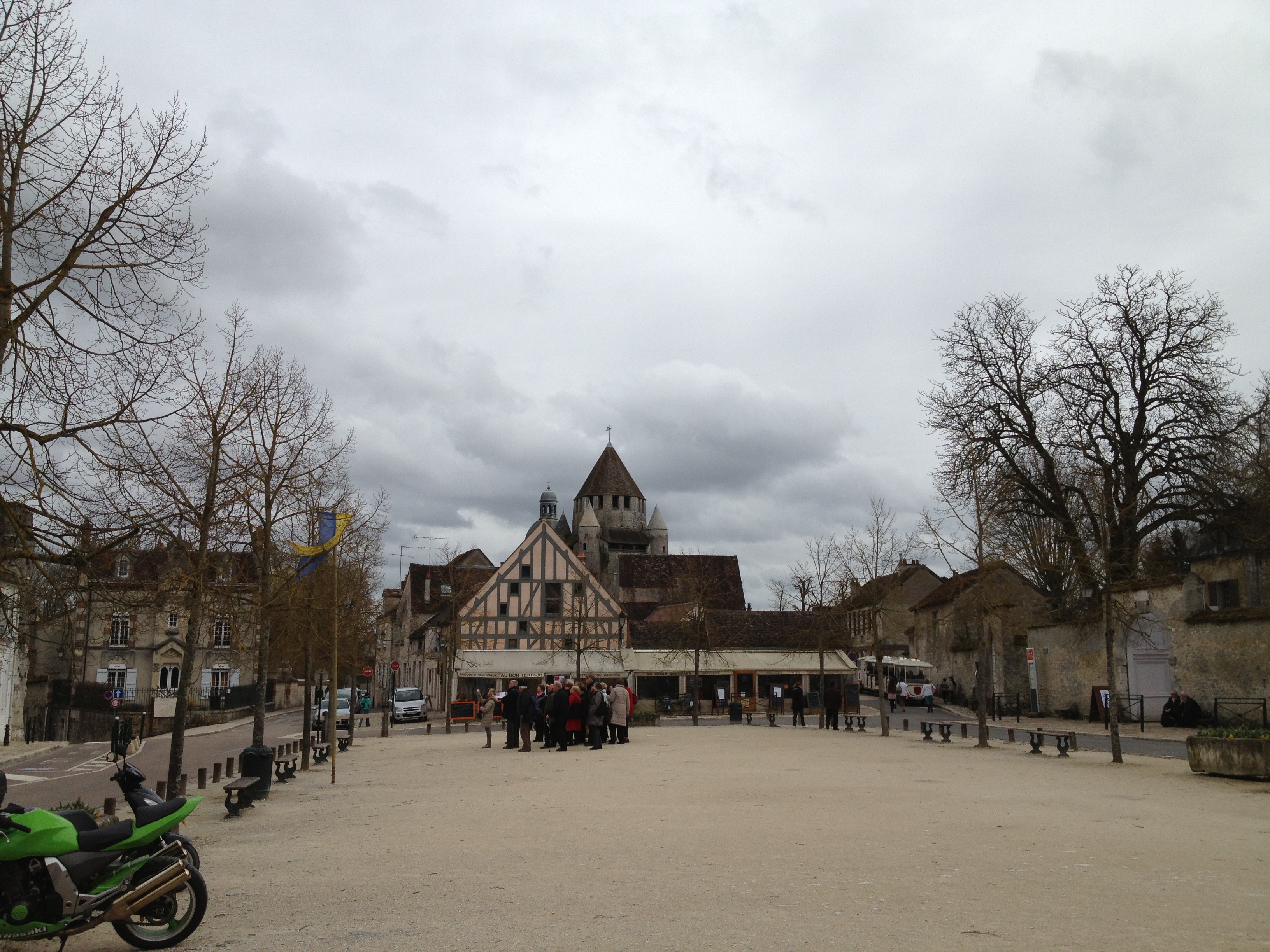
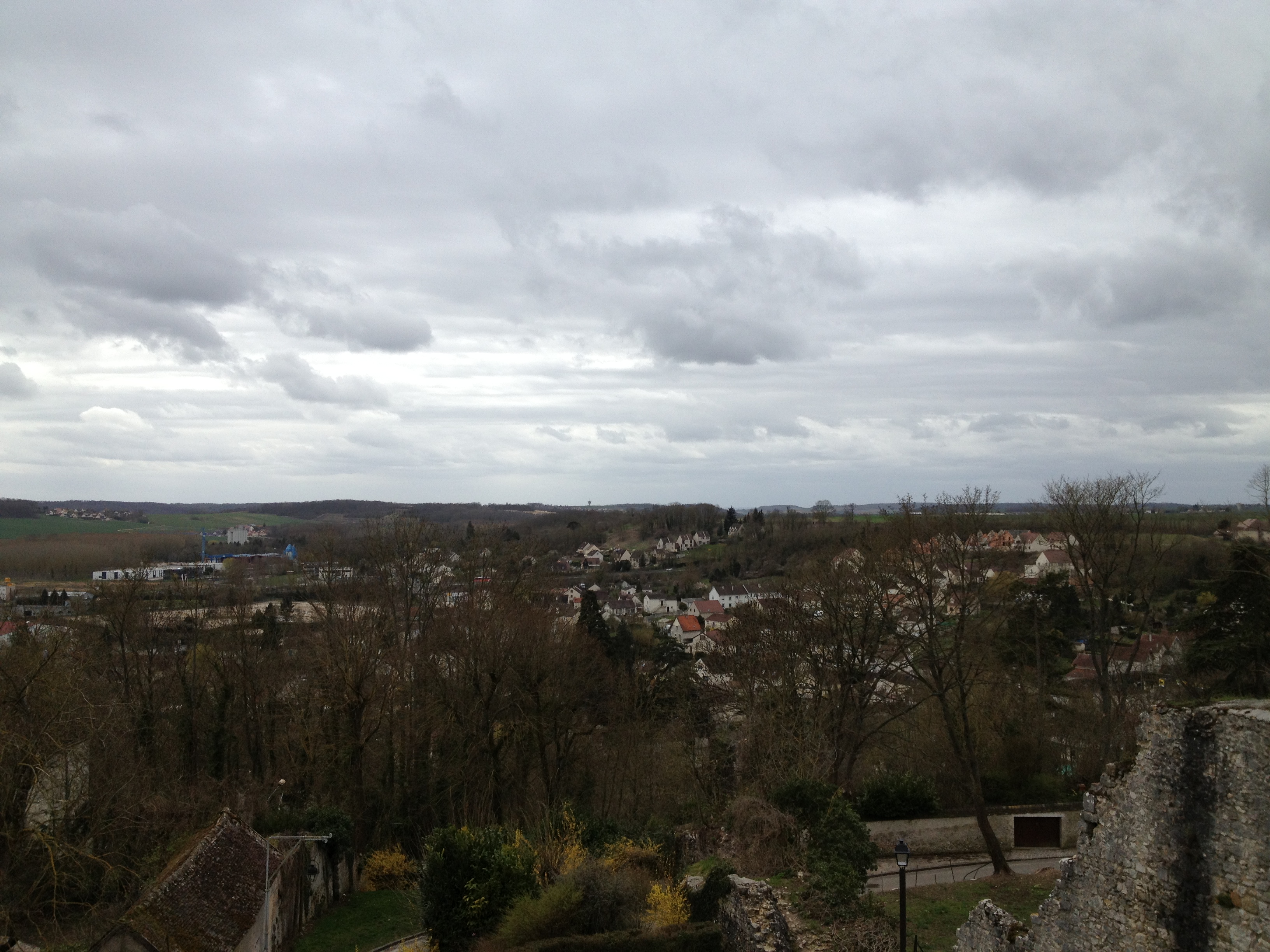
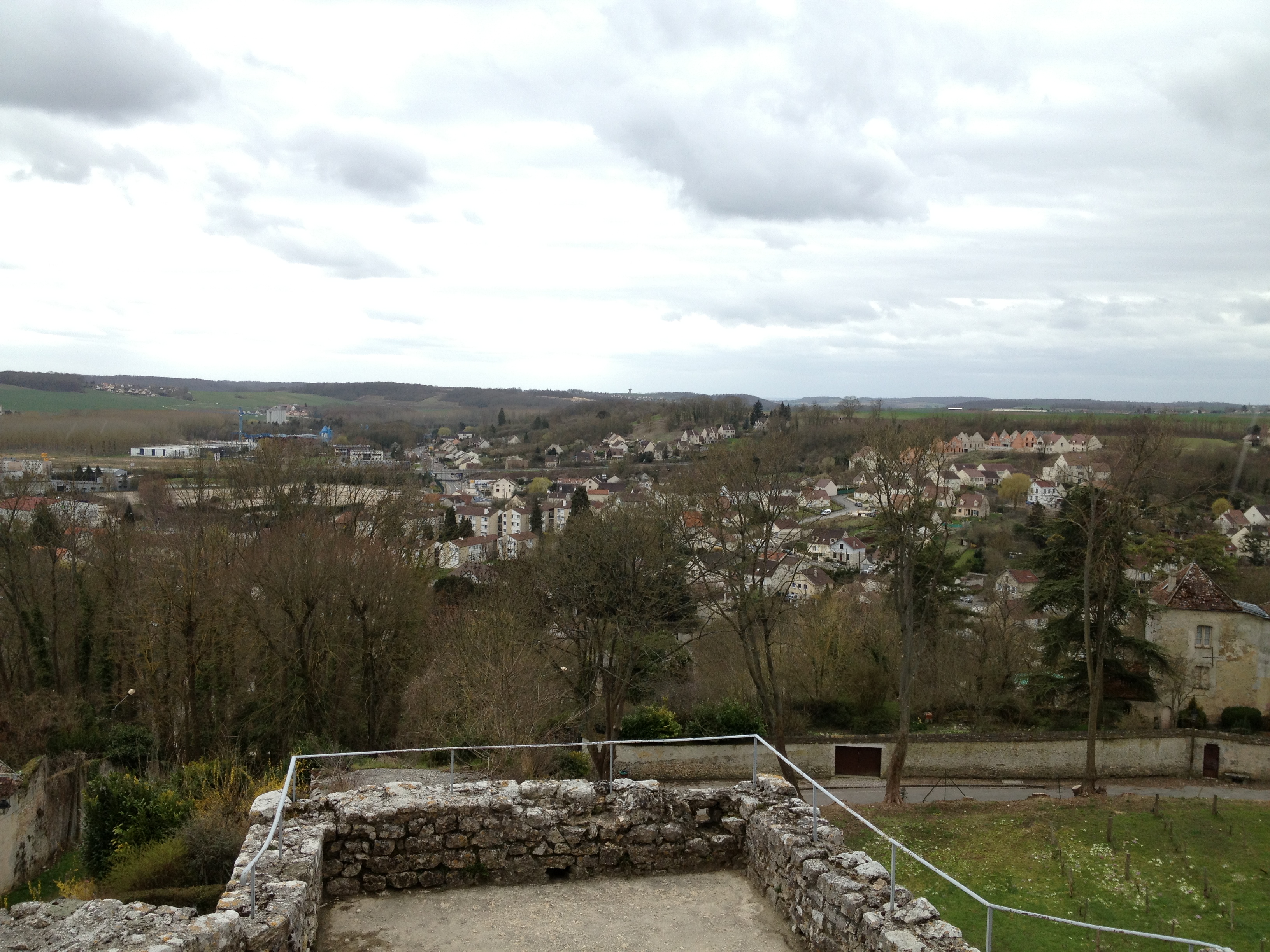
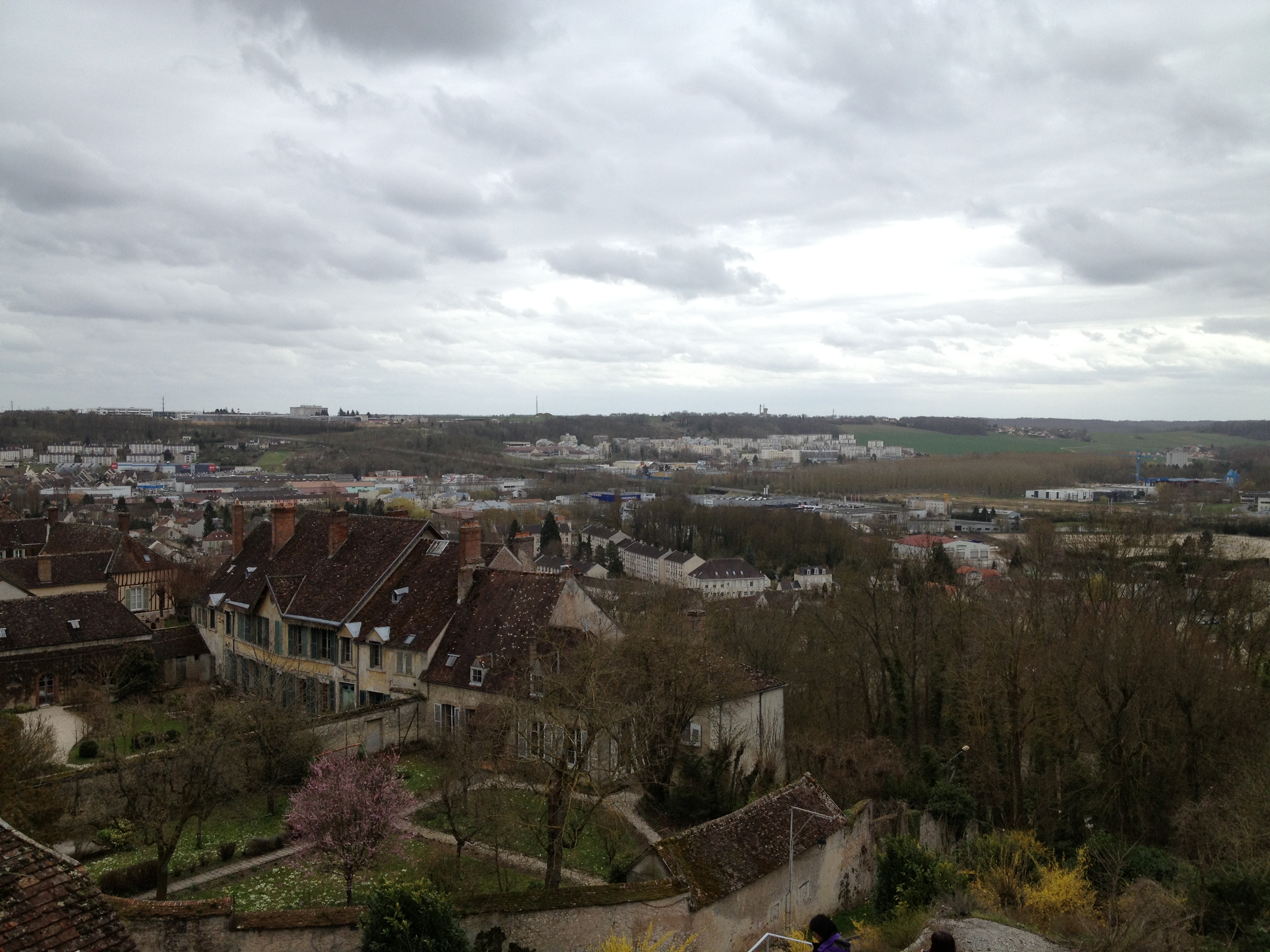
The funny thing about art-history is that it often gives us a taste of experiences that get re-ignited when we travel. And then there’s the overlap of time-periods in different parts of the world that seem to show more similarities and connections in histories than differences. So, it’s an inexplicable thrill to visit places that feel like walking into paintings. I went to Provins, a medieval town in north-central France, earlier today. The town hosted one of the biggest trade fairs in Europe during the 12th and 13th centuries and was considered a melting pot that brought people from all over Europe and Asia. The panoramic views of Provins, from the Tower of Caesar reminded me of landscapes and architecture from a Sienese paintings or Pieter Brueghel’s, but with ant-like cars dotting the roads and and winding their way through narrow lanes.
Pieter Brueghel- The fair on St.George’s DayPieter Brueghel the Elder- The parable of the blind leading the blindSimone Martini- The Miracle of the Child Falling from the Balcony
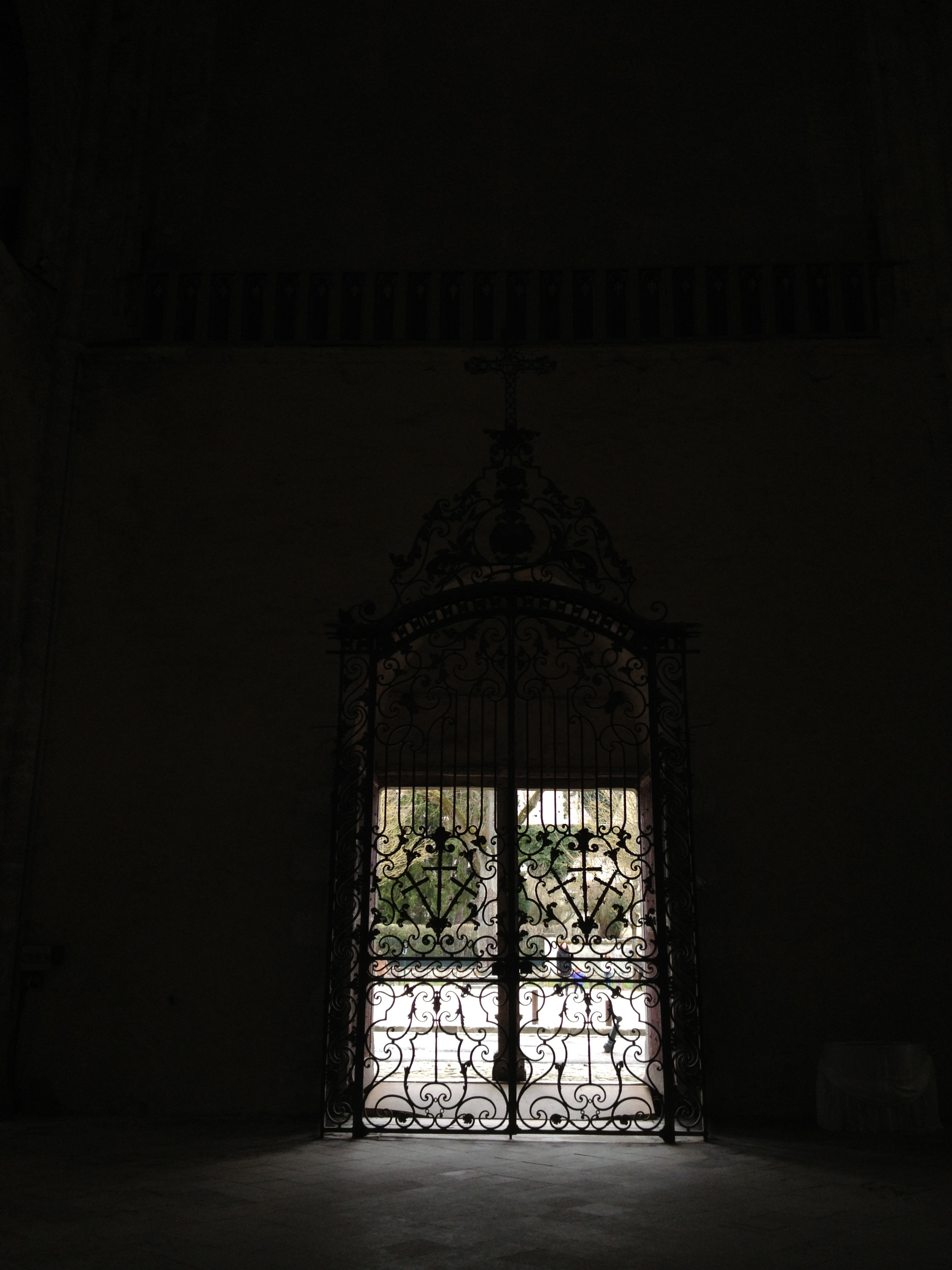
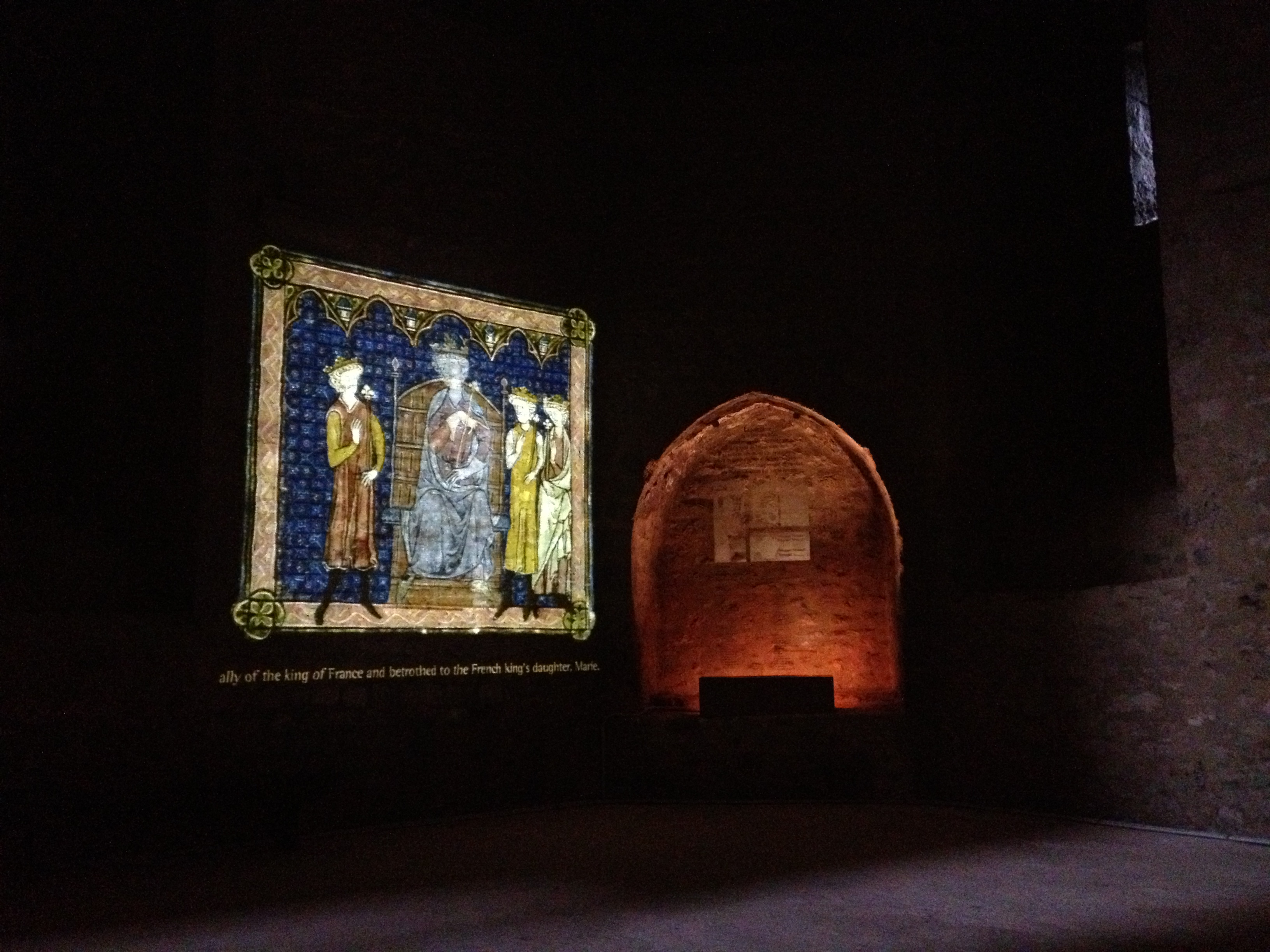
View of the Tower of Caesar down the streetAn entrance gate inside the ChurchA beautiful show illustrating the history of Provins through animated illuminations from medieval texts
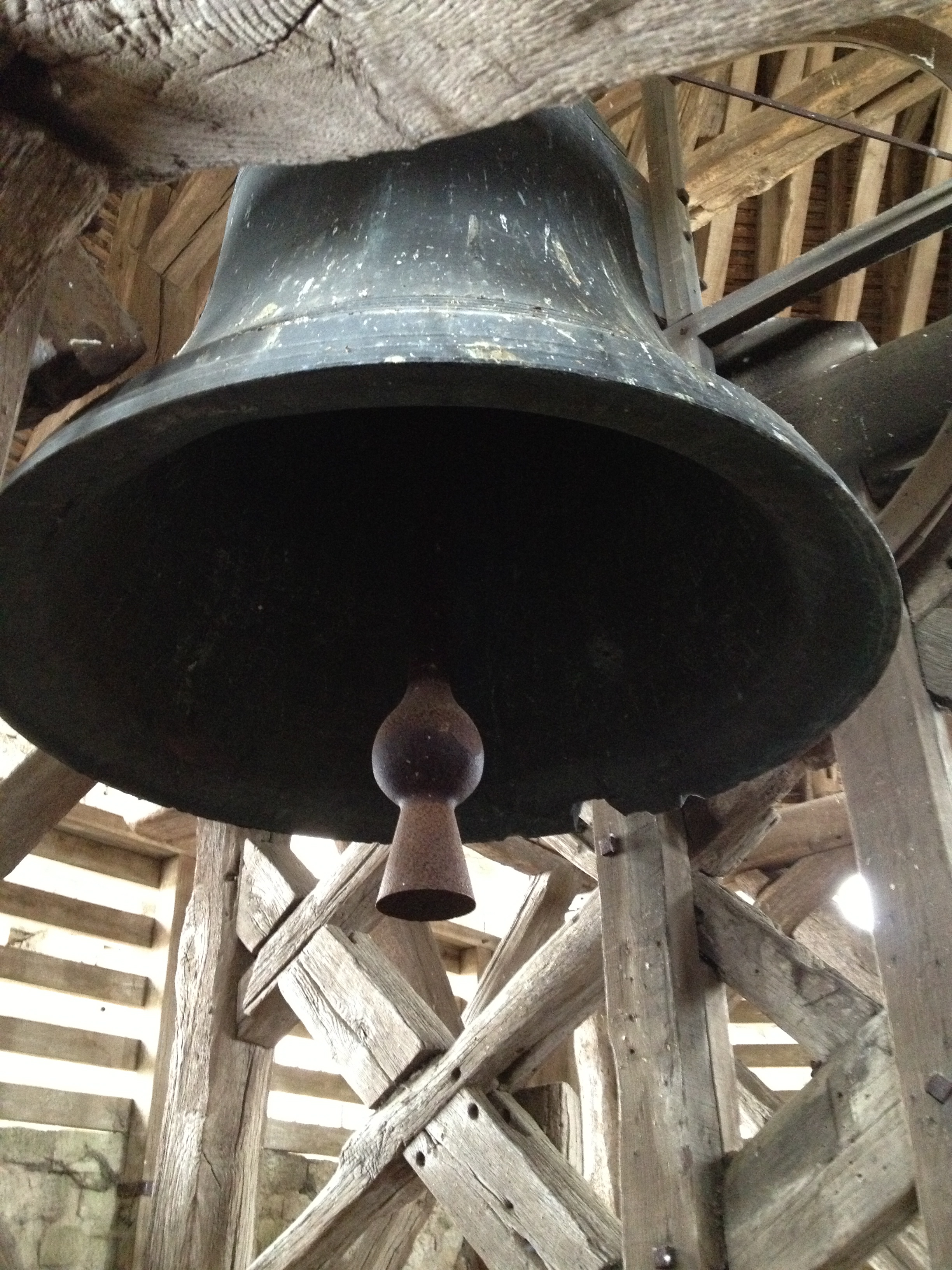
One of the bells at the tower
View of the Saint Quiriace Collegiate Church from the Tower of Caesar
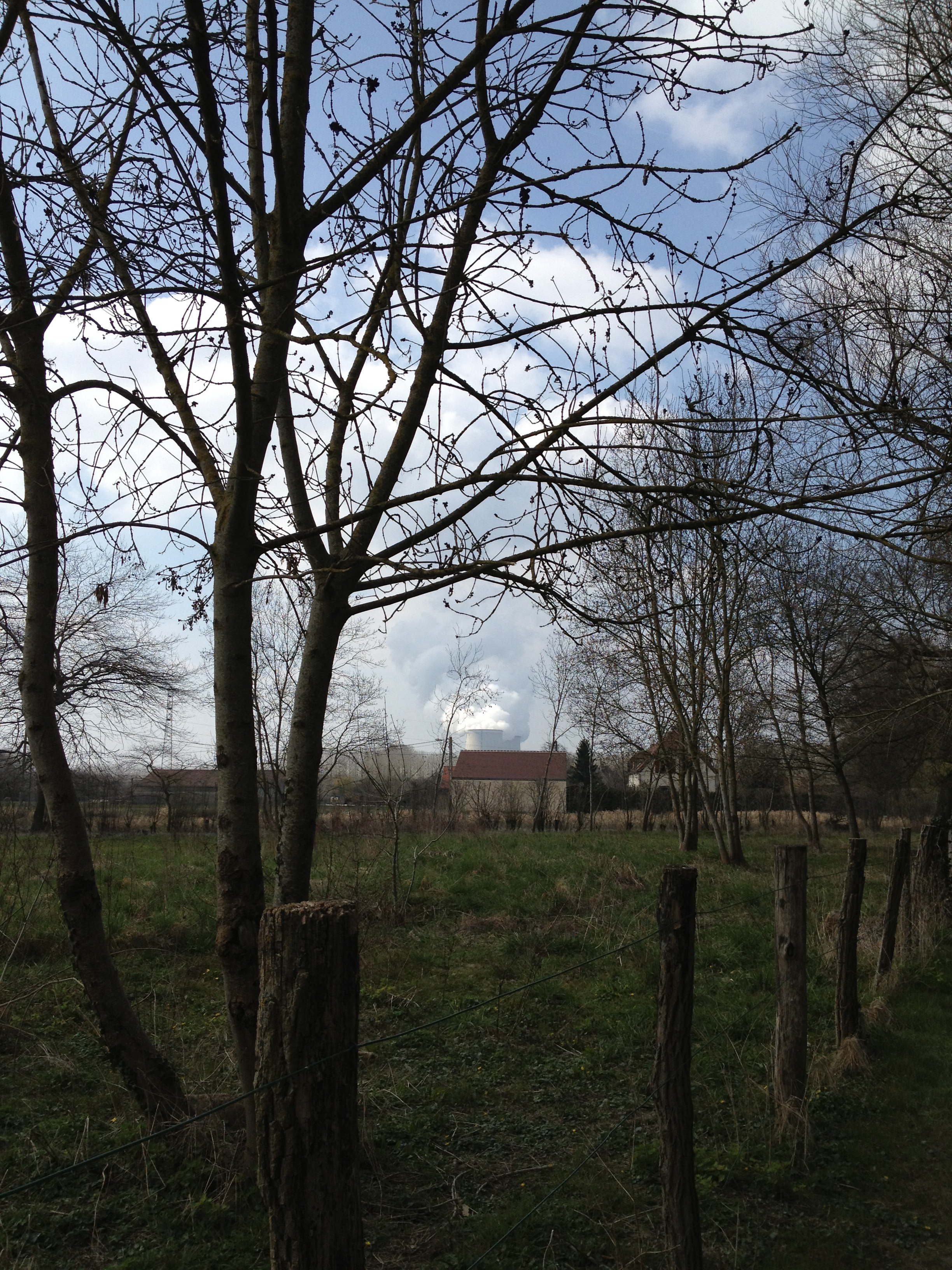
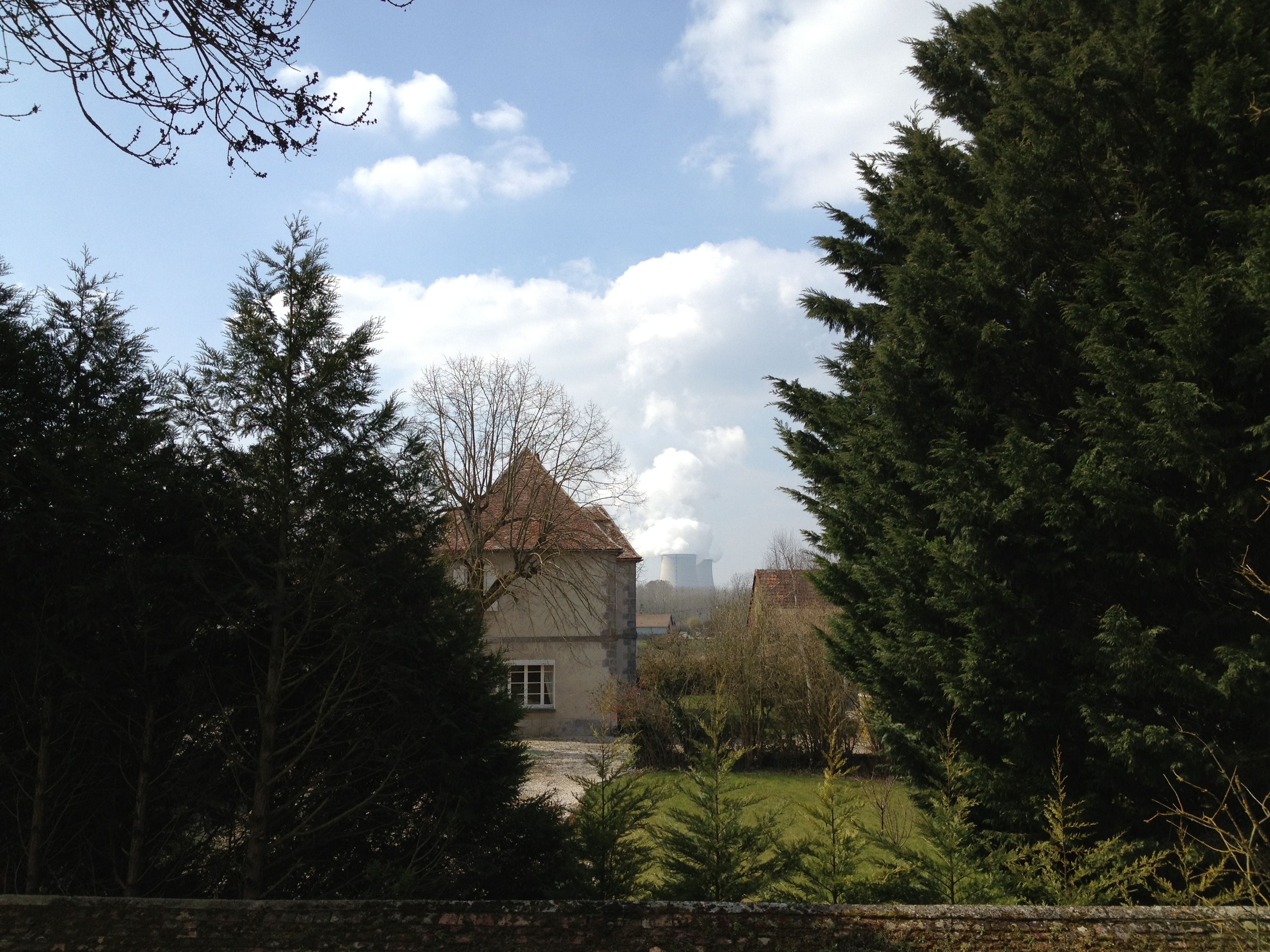
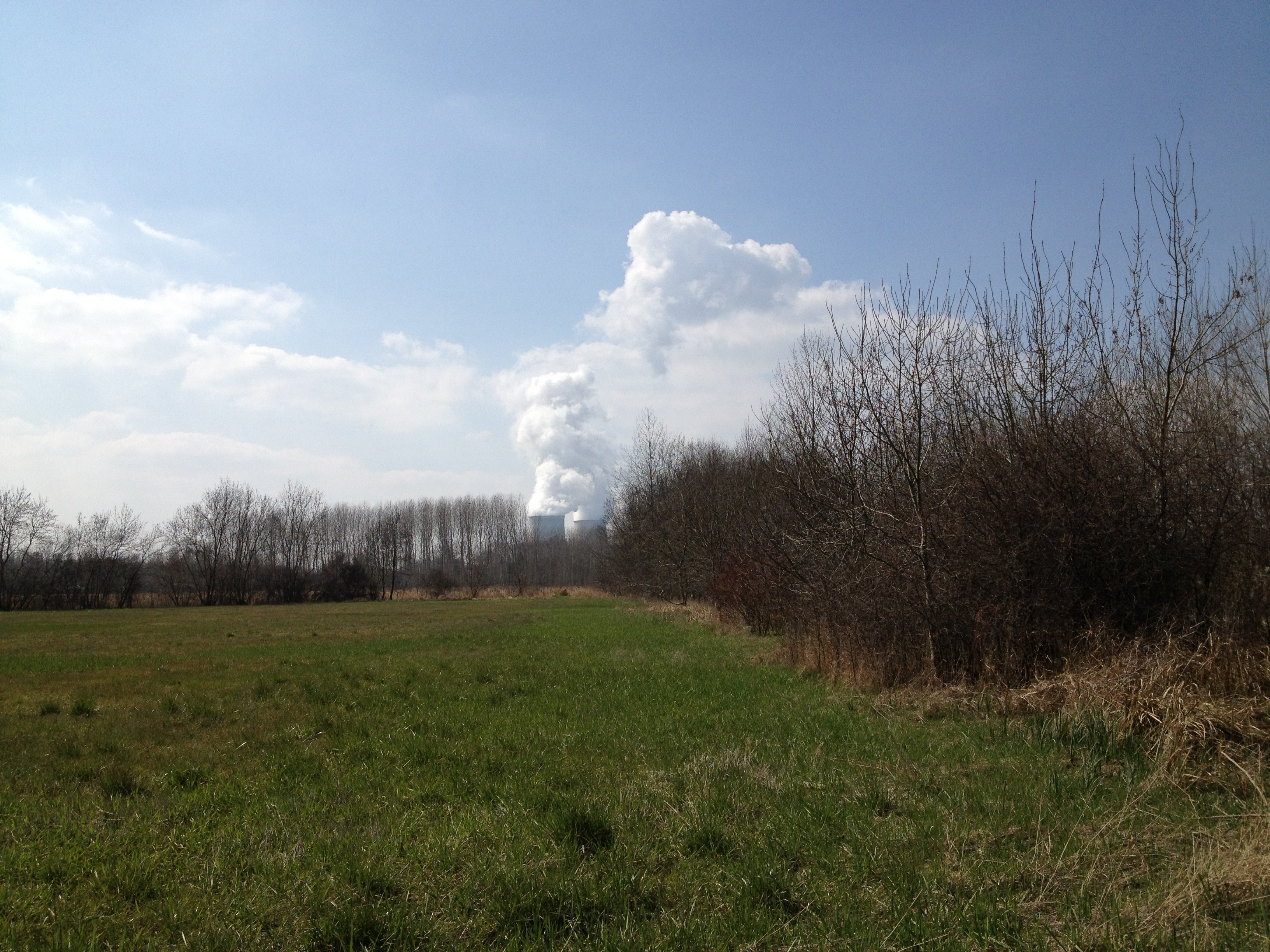
One of the first things I noticed when I got off the train at Nogent station were these two huge structures spewing clouds of white smoke. An industry if sorts, I thought but was later told that they are nuclear power plants. It bothered me to see an idyllic and pristine landscape invaded by what we so commonly understand to be monstrous. I still don’t know if the white cloud that didn’t seem to move for more than half a day since this morning was in fact the cloud from the power plant. Eric, our taxi driver last evening jokingly told us to look the other way in order to enjoy the landscape while we passed by the power plants on our way to a concert in Nogent. This report from PBS gives a good overview of France’s success with nuclear power plants and its support from many citizens. A quote from the report: “French people like large projects. They like nuclear for the same reasons they like high speed trains and supersonic jets.” While it may seem like a brash and flamboyant statement, French people also have faith in their technocrats, mostly engineers and scientists who hold high administrative positions – “…bar owner Alain Cauvin cites ‘mad cow disease as being much scarier than nuclear power.'”
View of the power plants from the railway station“How are clouds made, Gran’ma?”View from the bridgeMore power, more electricity!
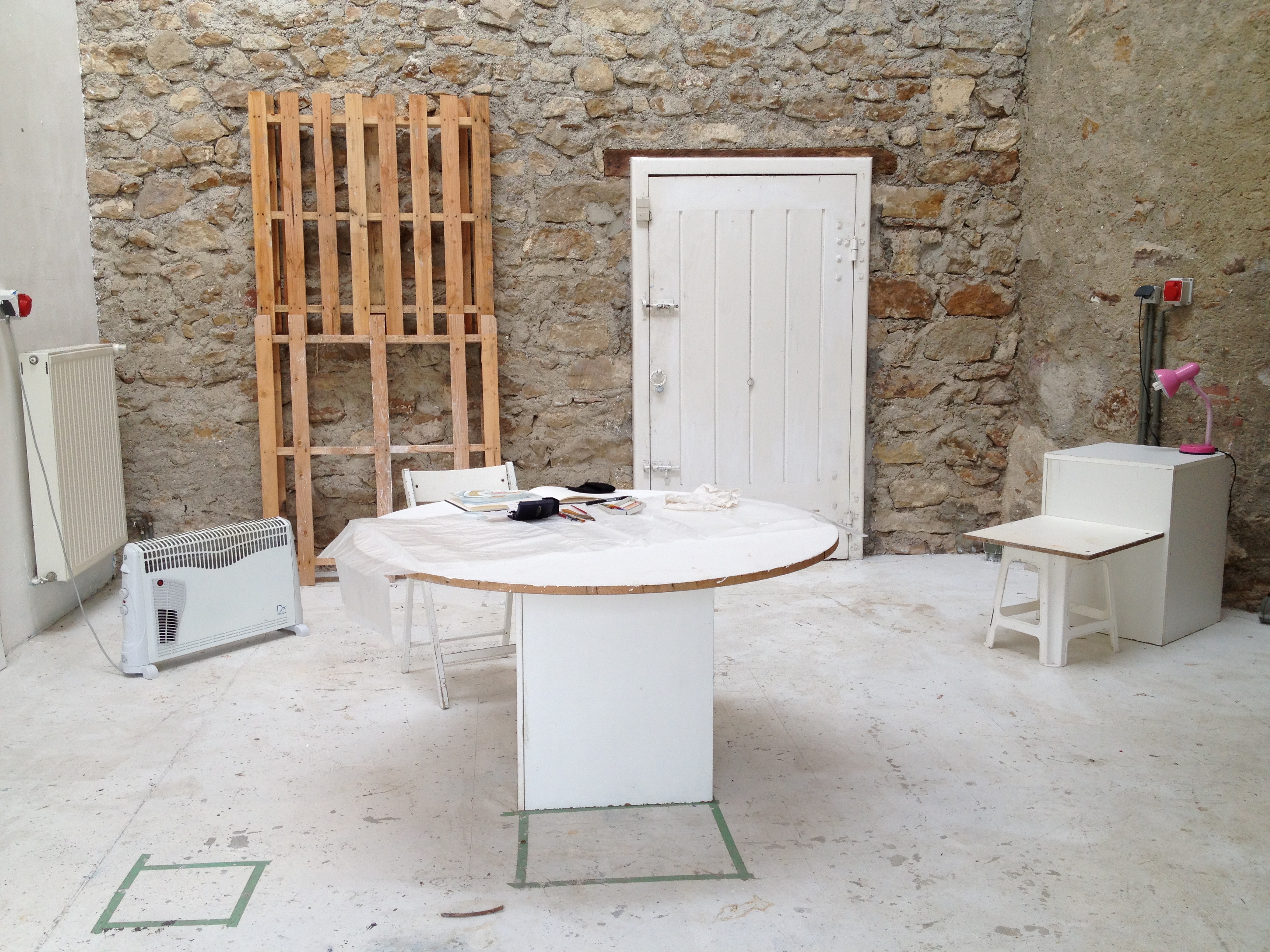
I arrived in France last afternoon, to begin a 1-month residency at Camac Centre for Art at Marnay sur-Seine, a small town that is about 100 kms south-east of Paris. The medieval town of Provins is about 20 kms from Provins and is also a UNESCO Heritage site. Provins grew in popularity for its markets and fairs in the 12th and 13th centuries and gradually declined thereafter. The town nearest to Marnay, where one can find any shops is Nogent, located 5 kms away.
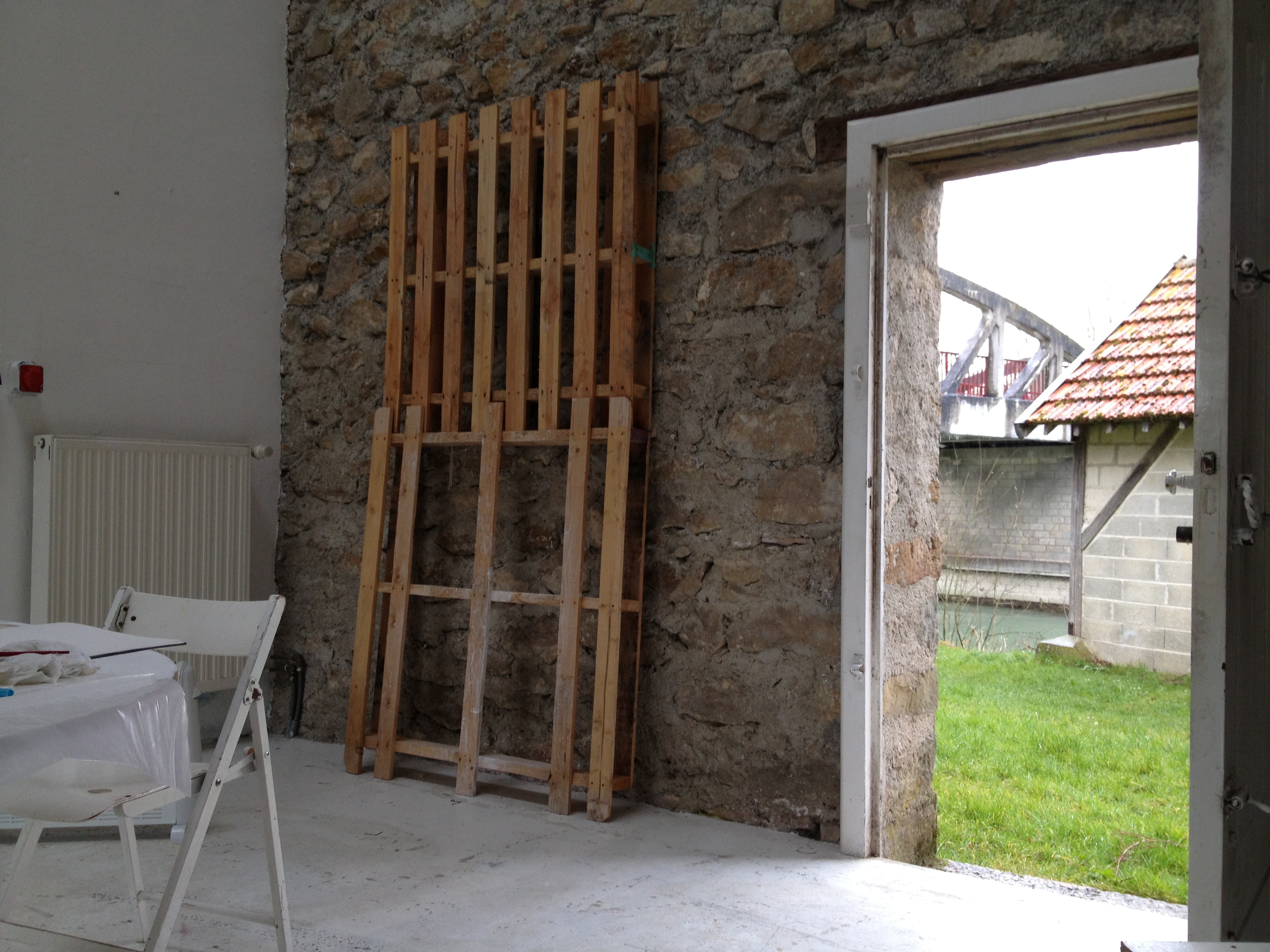
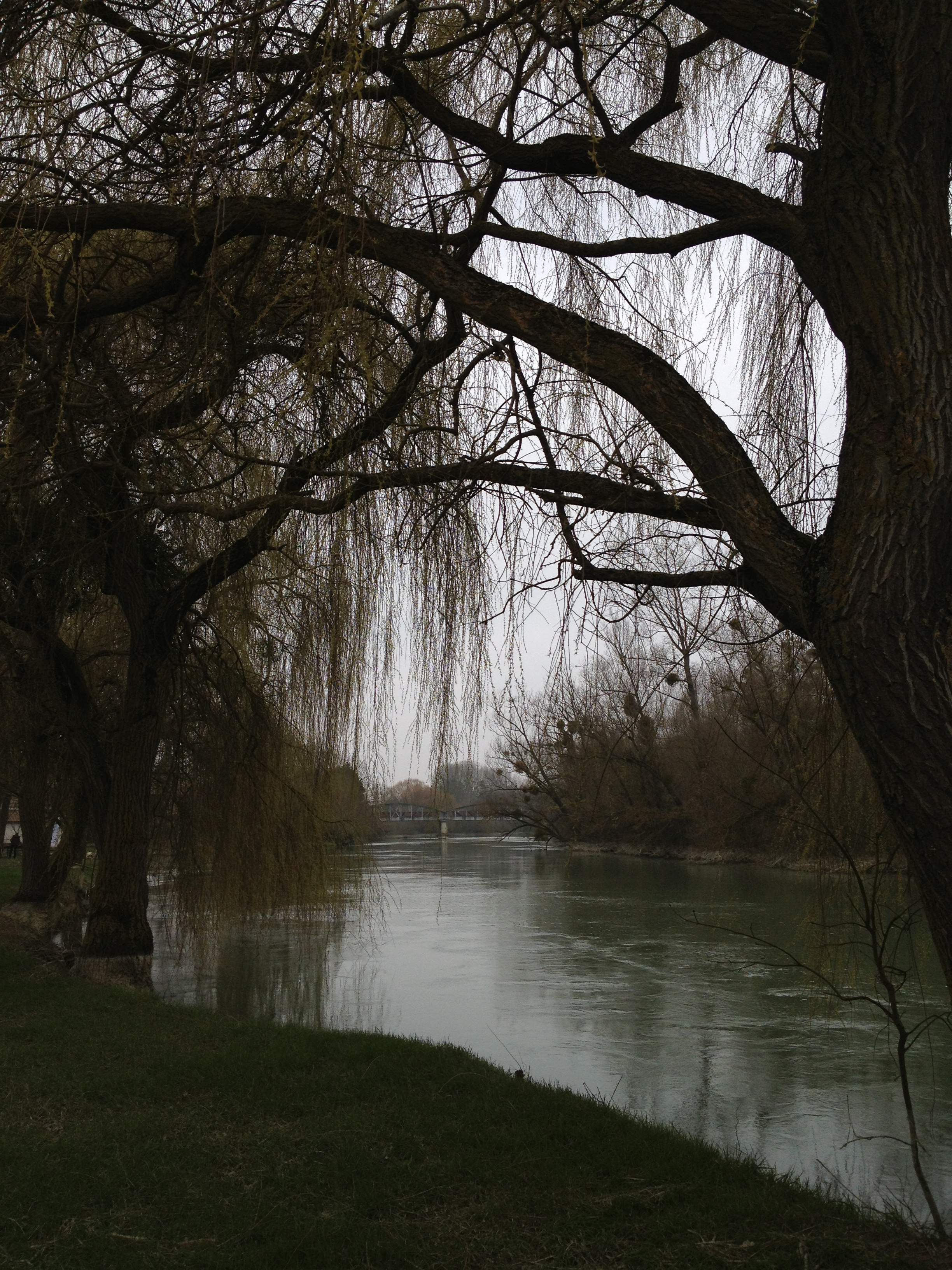
The river Seine originates somewhere near Dijon, which is south-east of Paris, and flows downstream through Troyes, Fontainebleau and finally through Paris. Camac is located on the bank of the river Seine and on a grey and cold day like today, just a sight of the endlessly flowing river rejuvenates every minute spent here.
I found a good documentation of Camac on the blog of one of the previous residents. It sure fills in more details about the place and its surroundings; the pictures taken in bright sunny weather when the trees are lush with leaves. What she “leaves” out, I shall fill in…
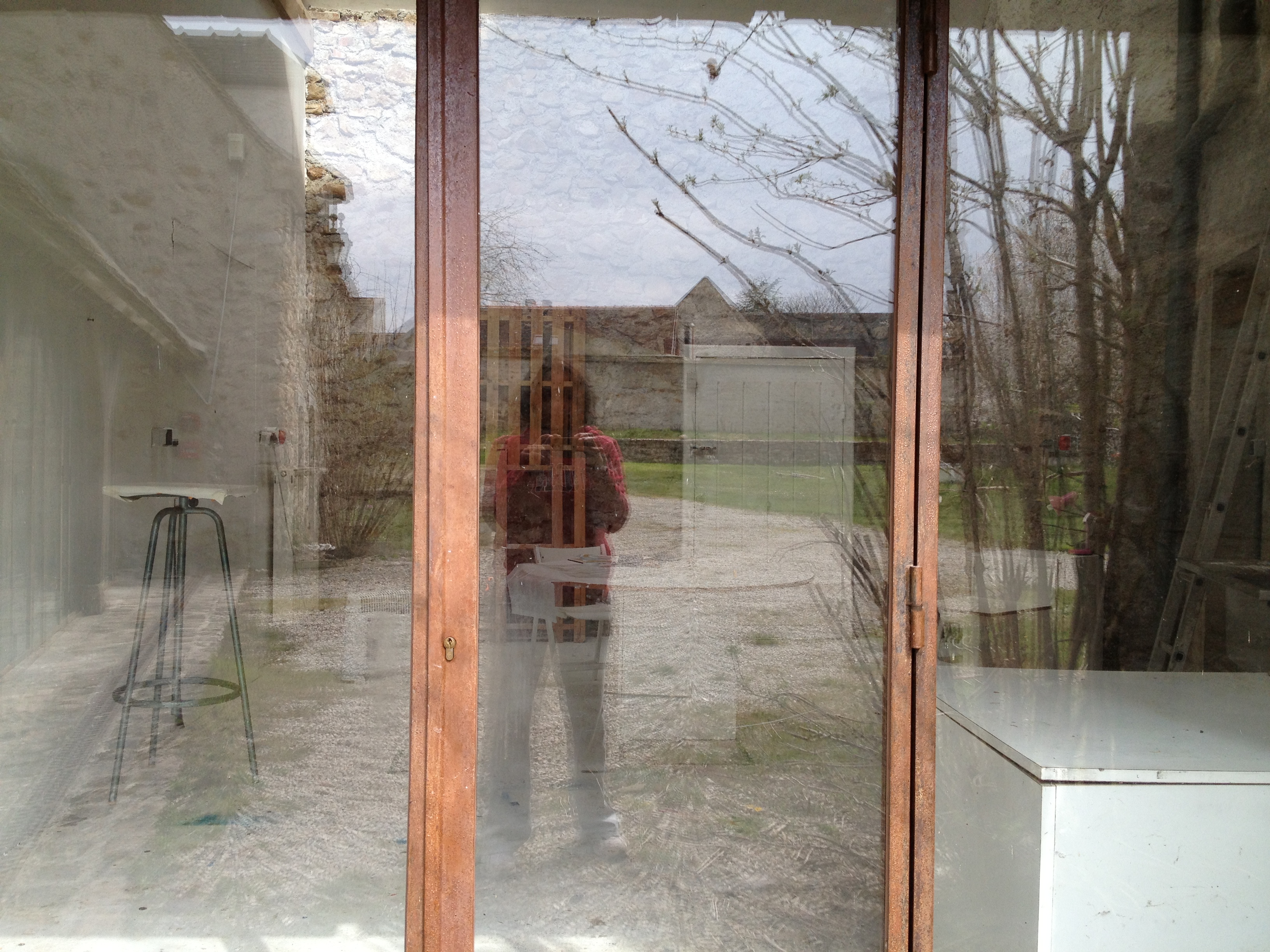
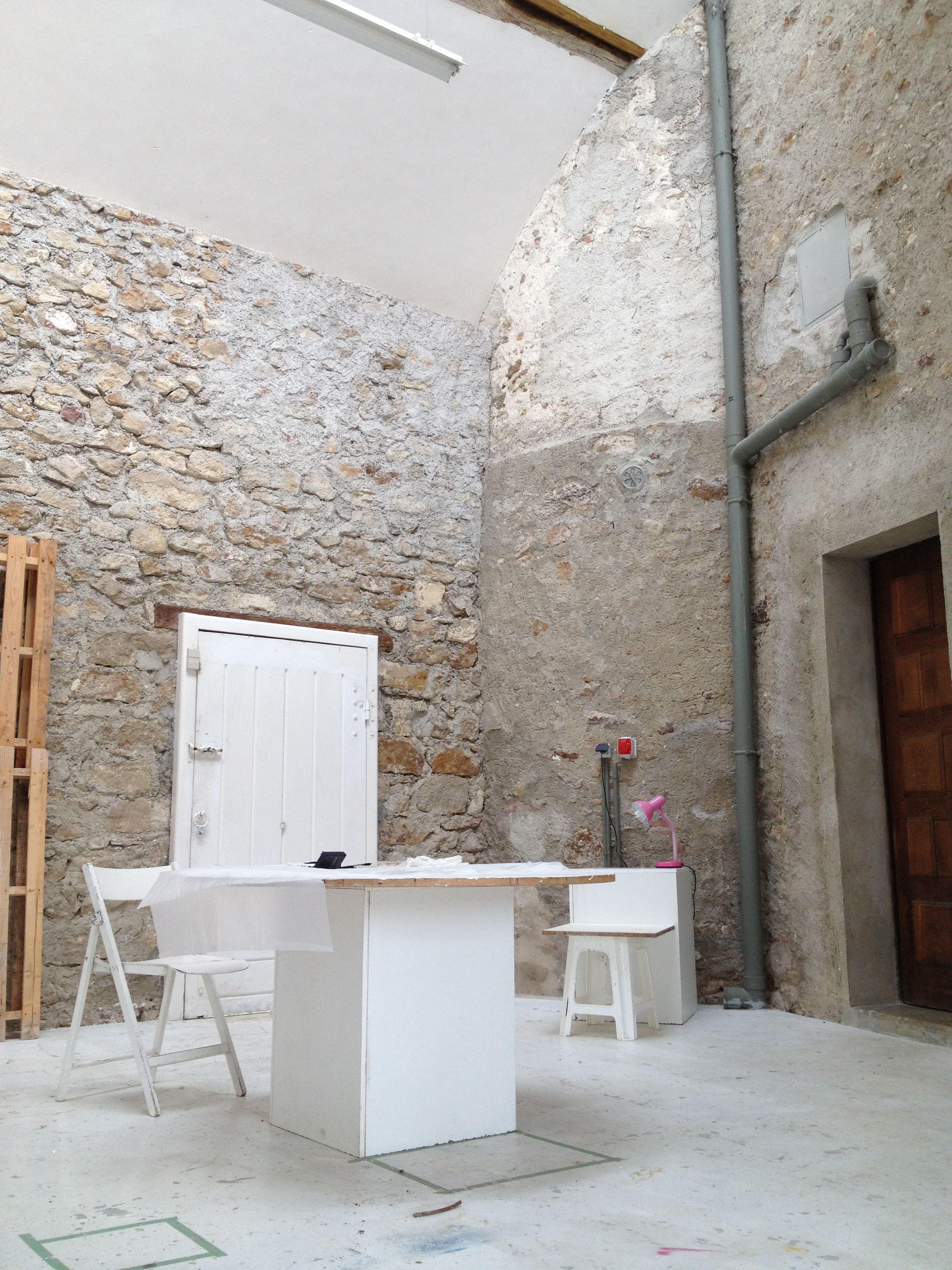
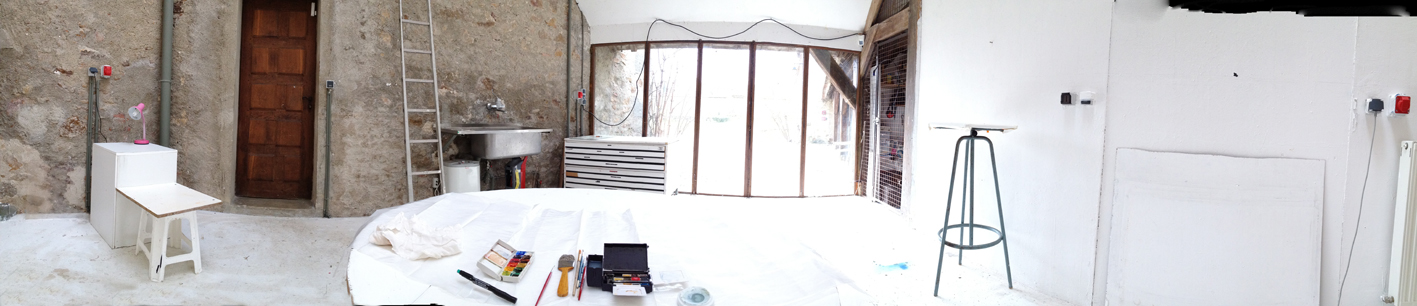
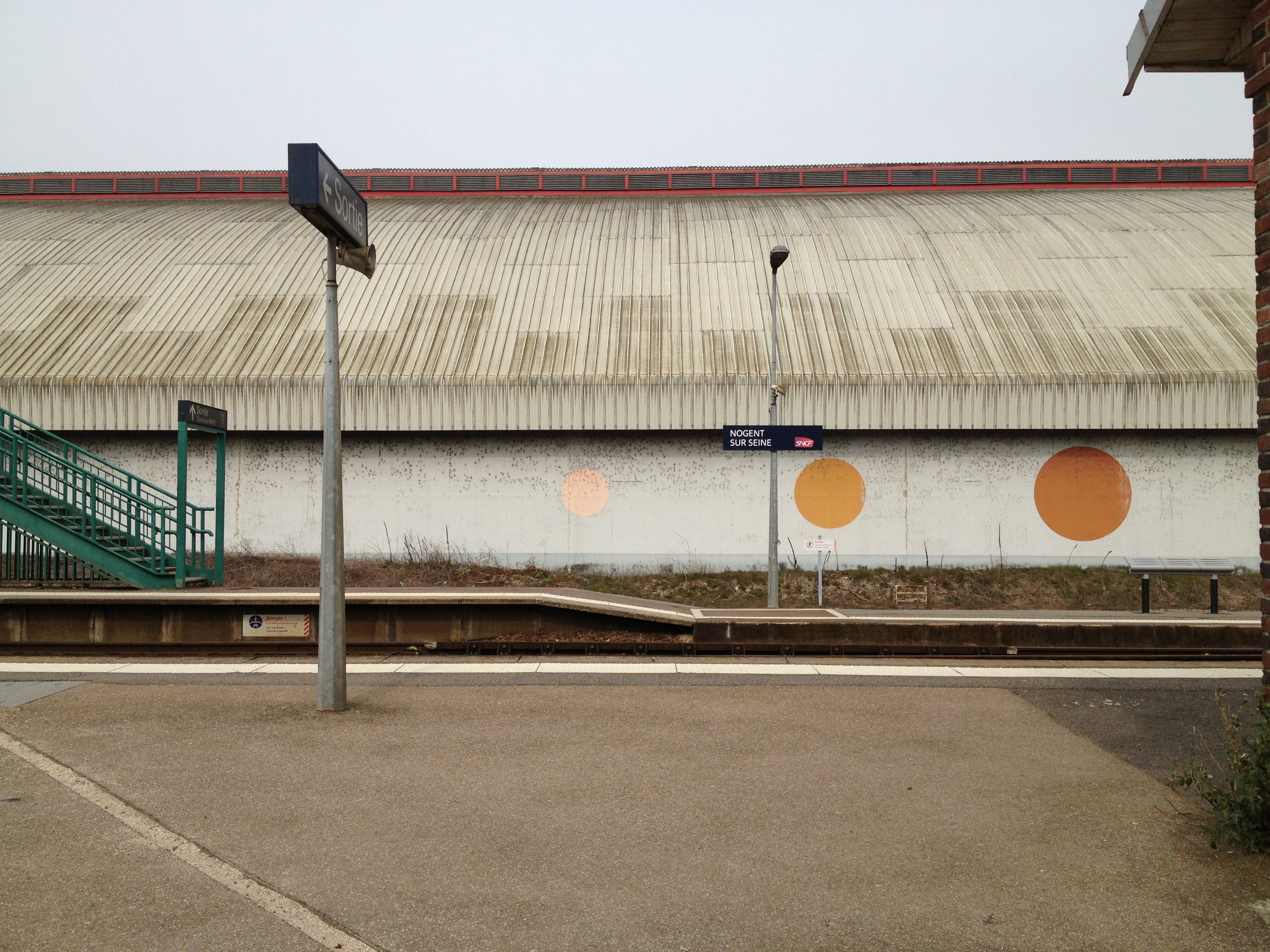
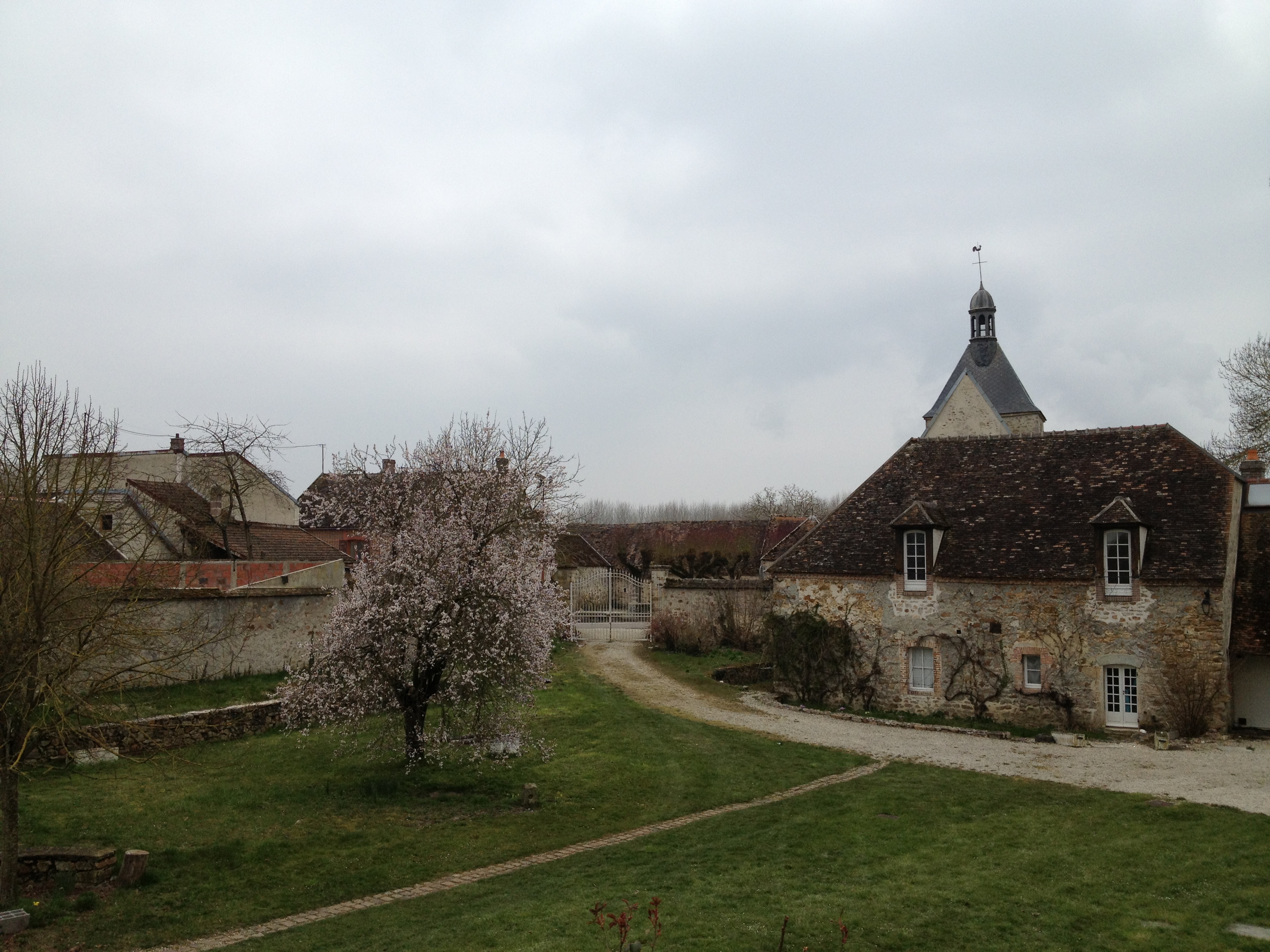
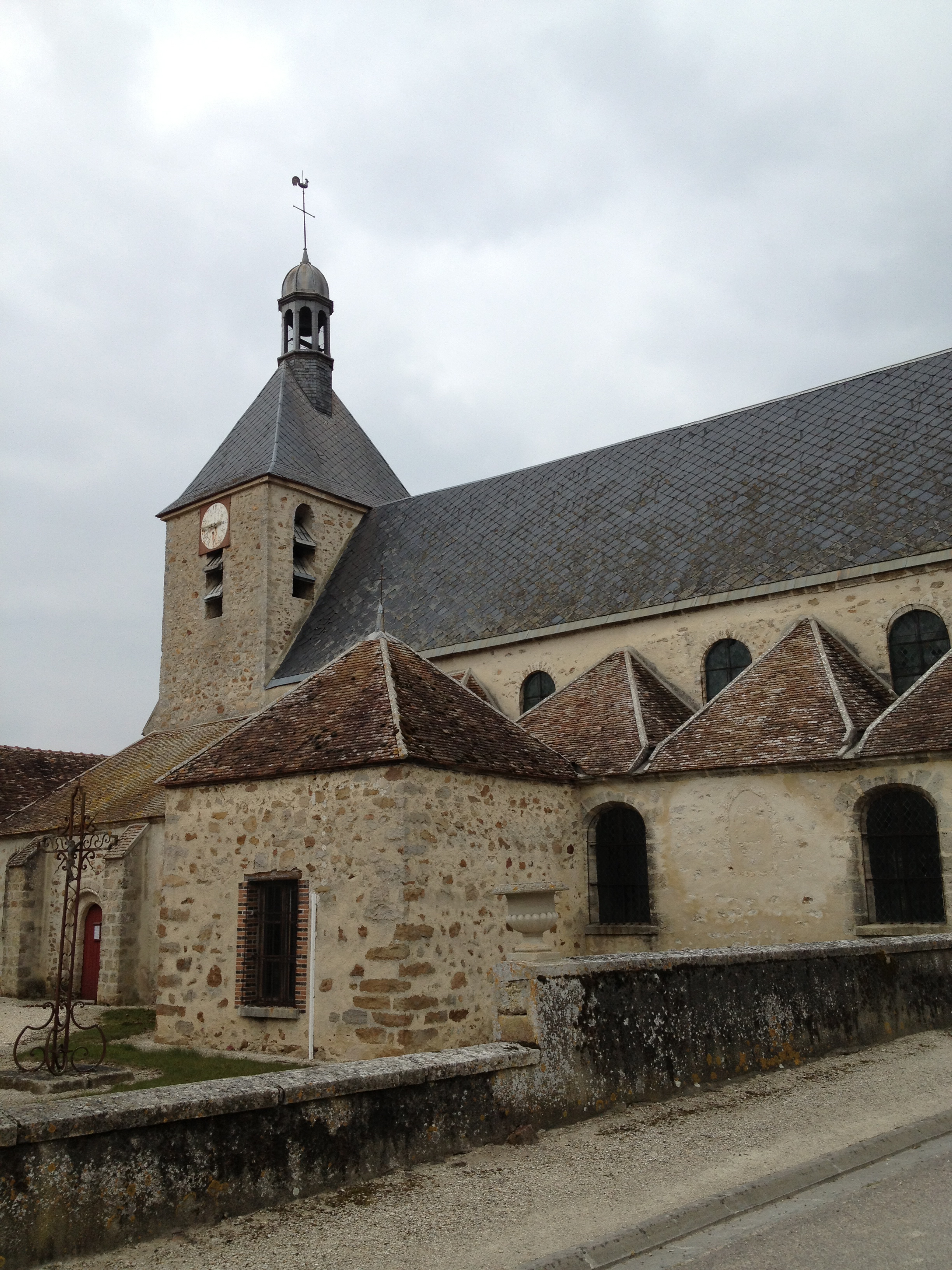
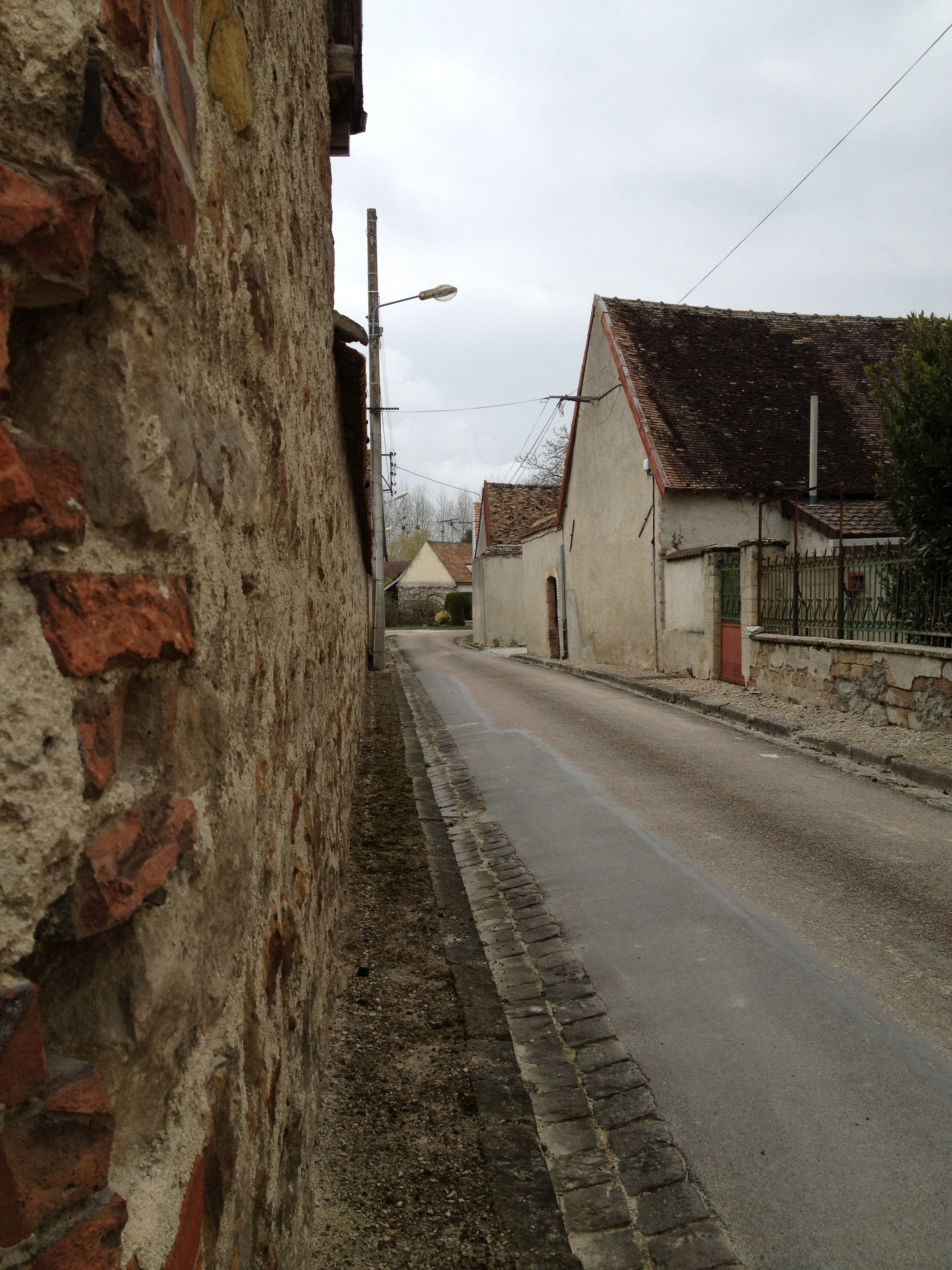
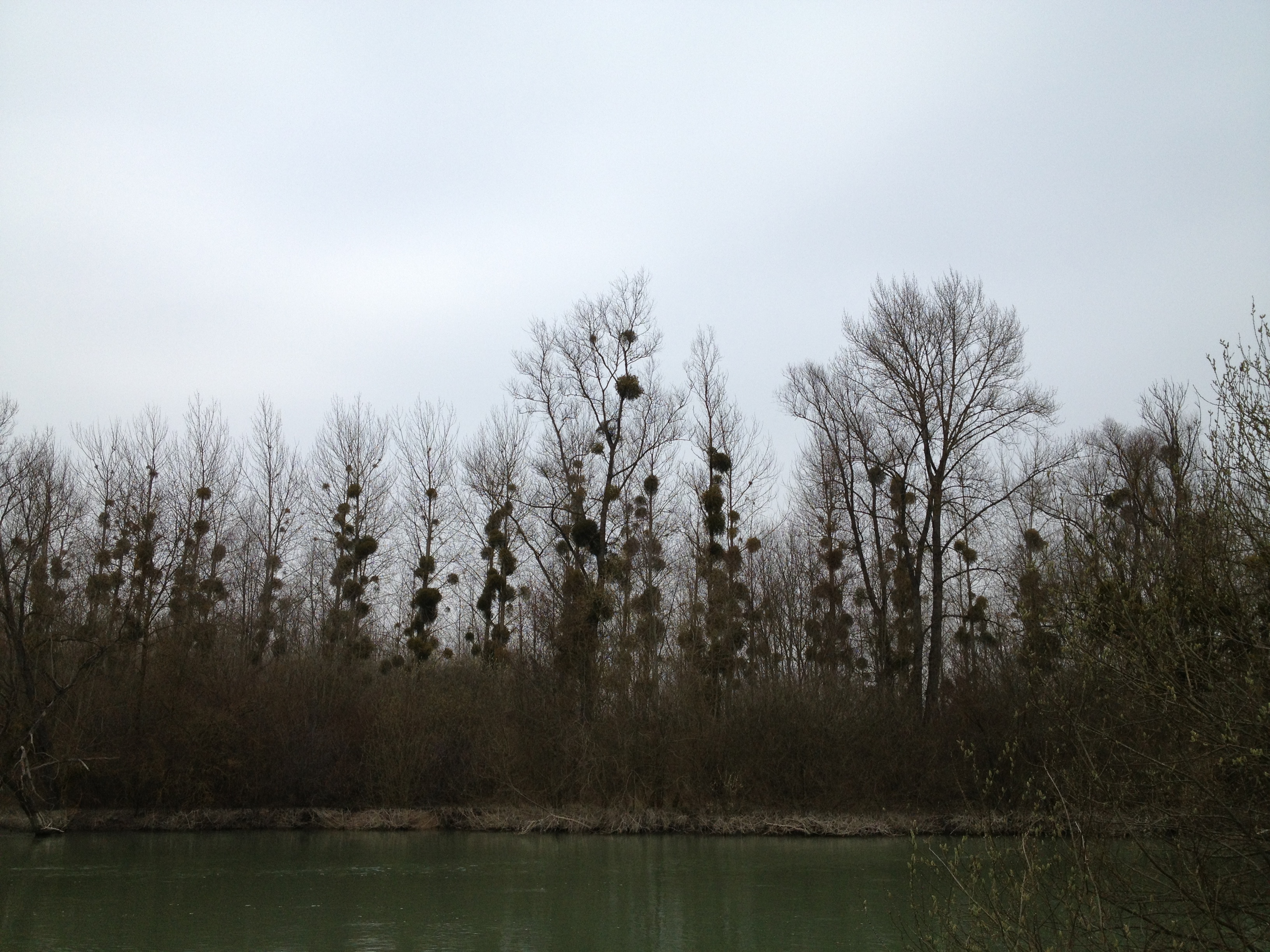
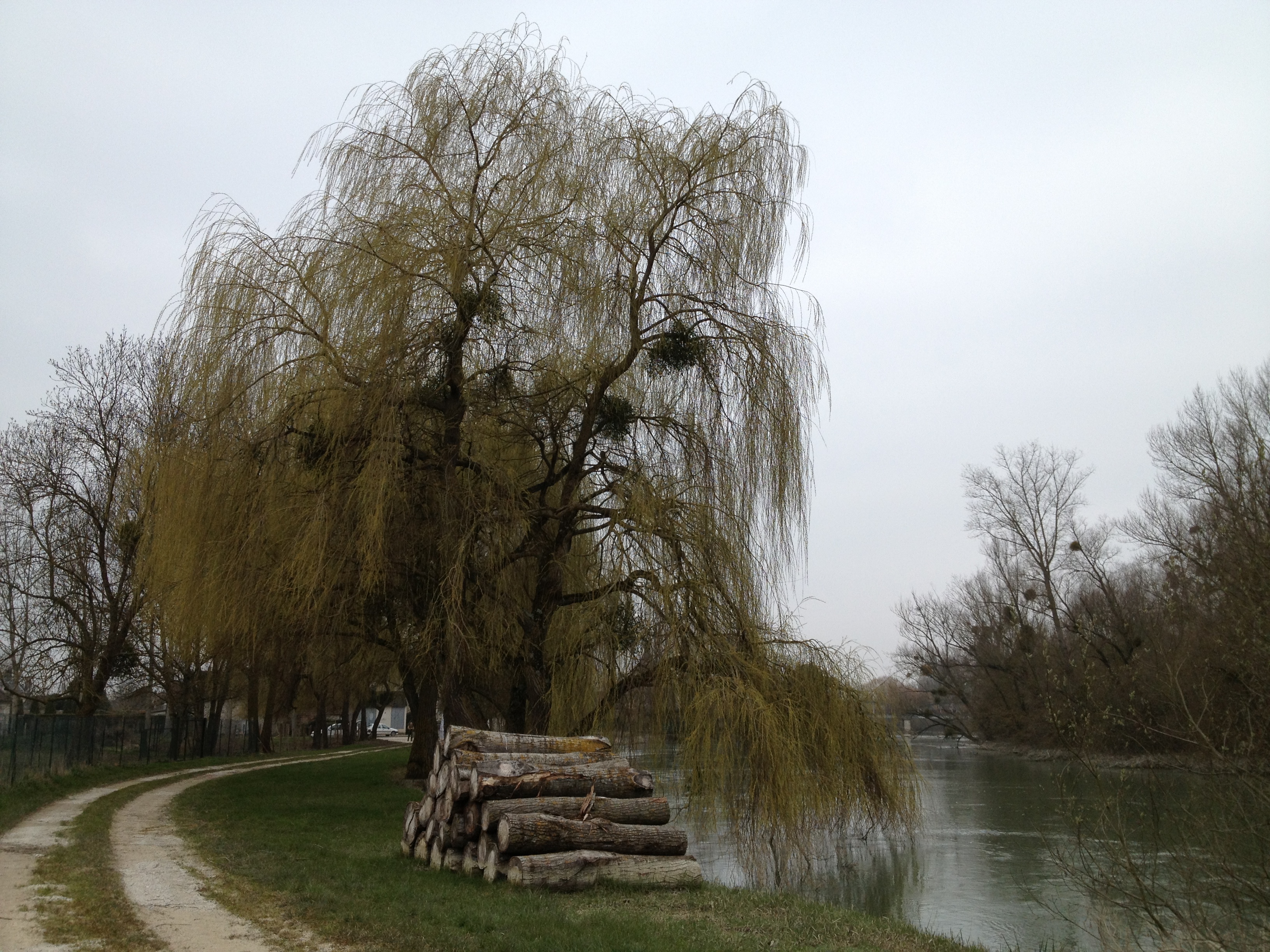
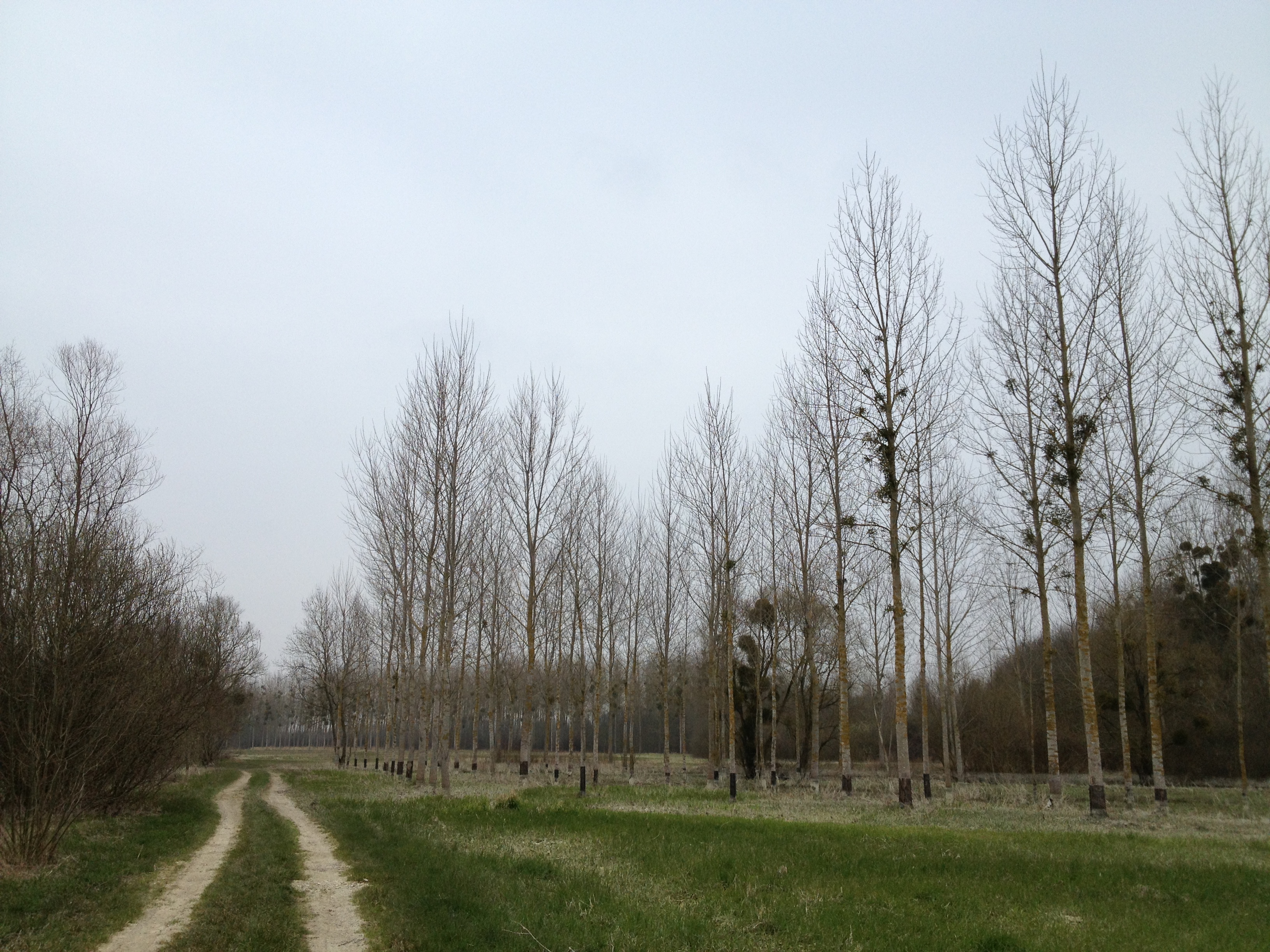
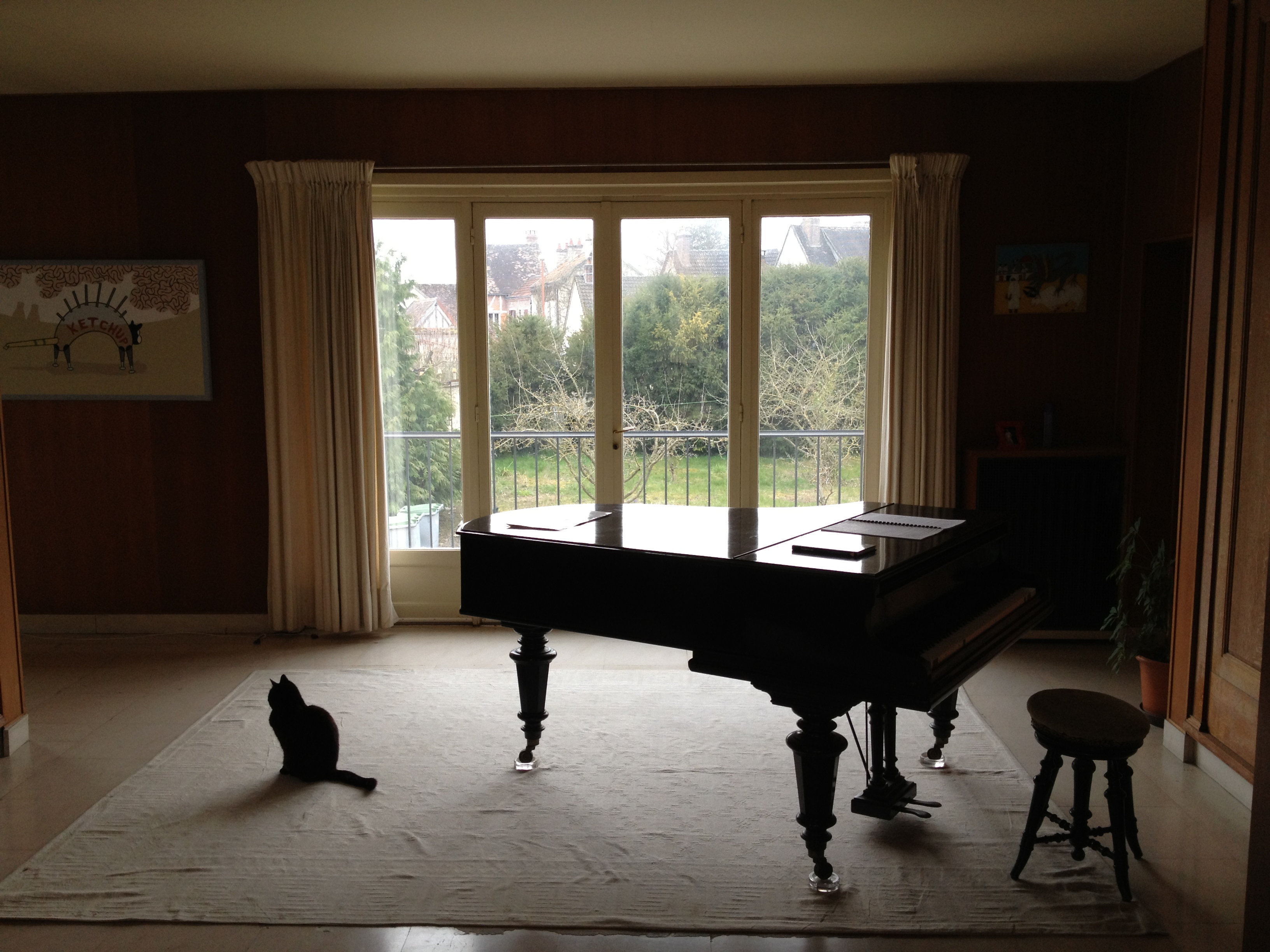
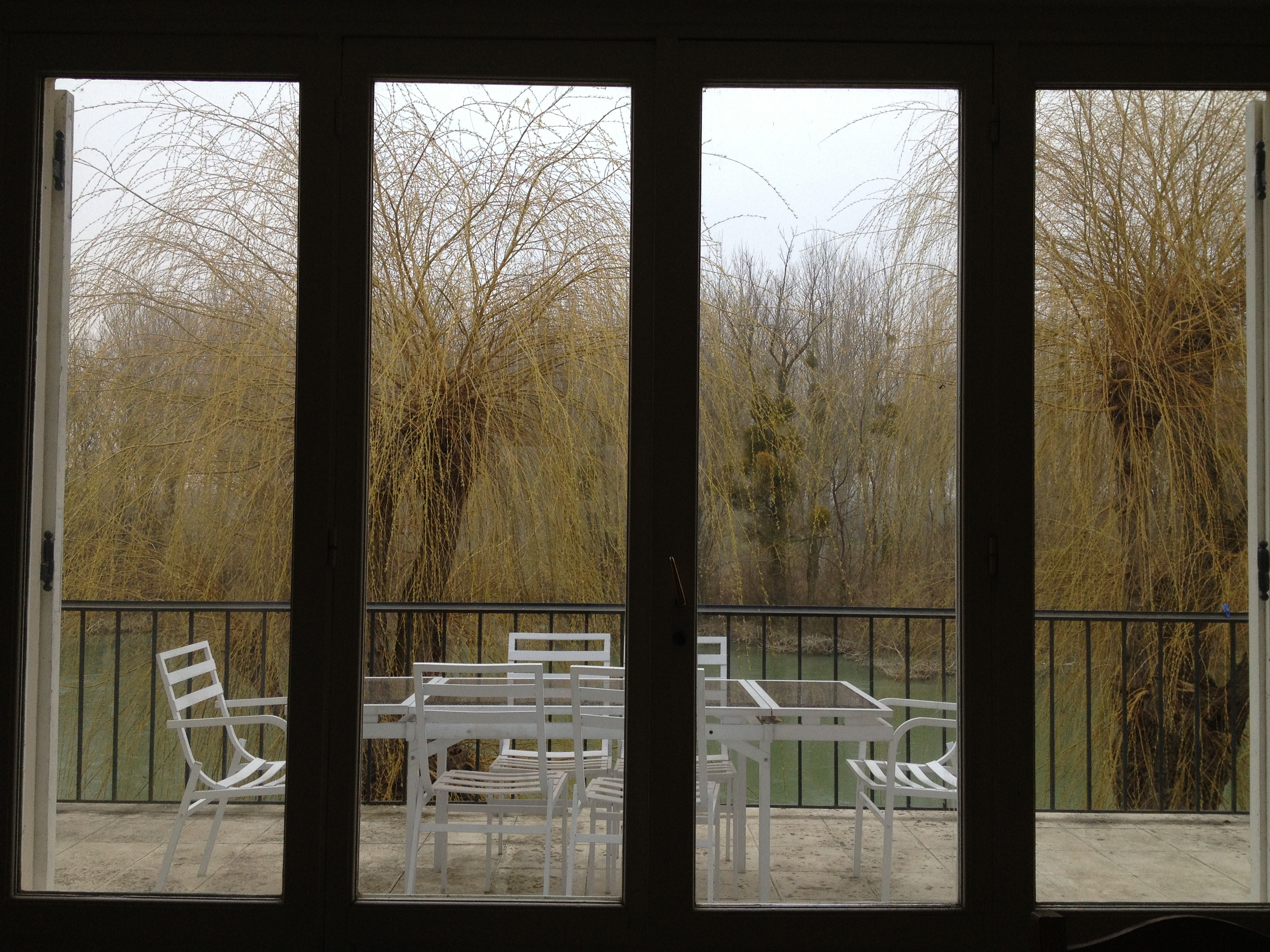
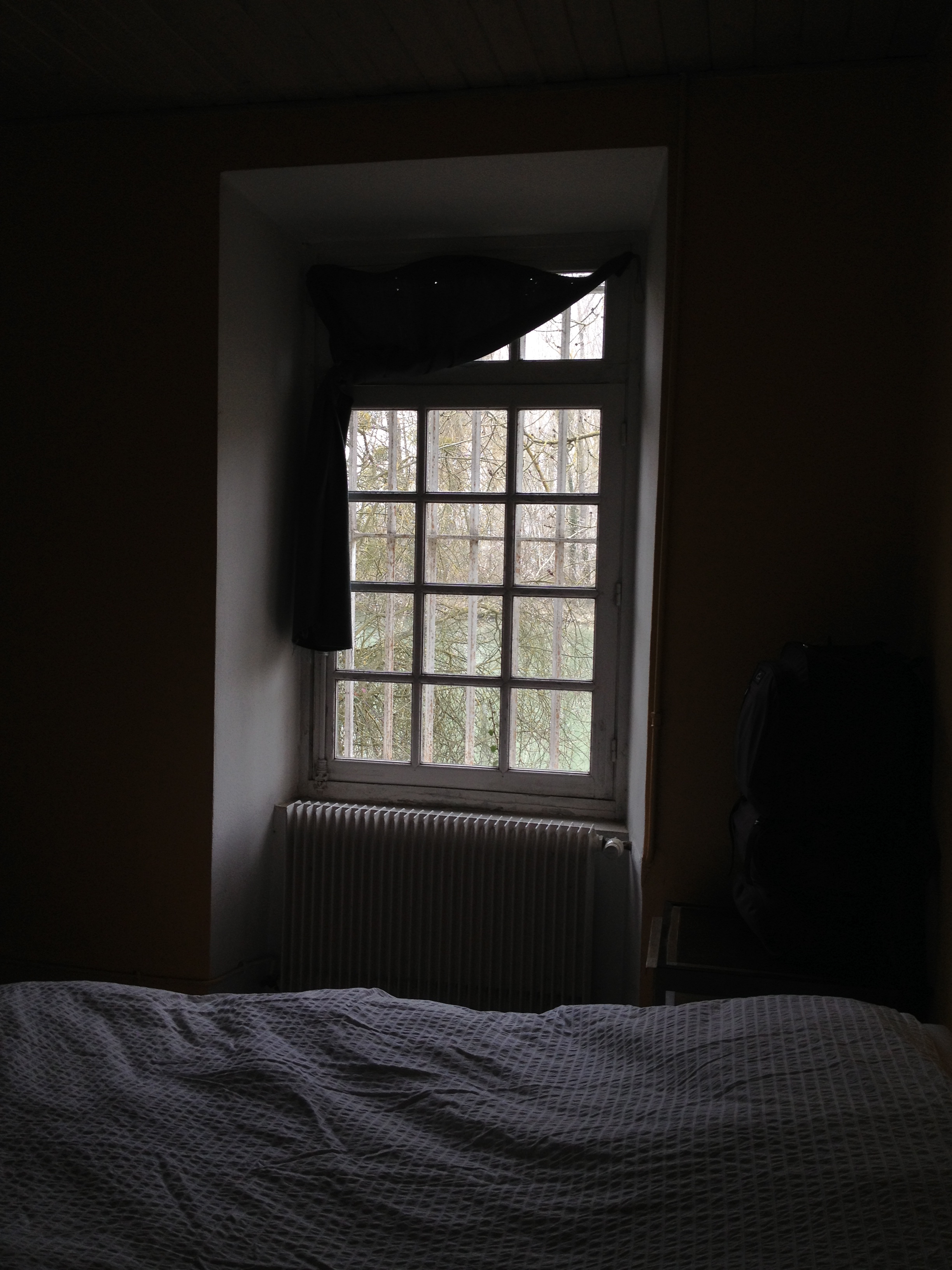
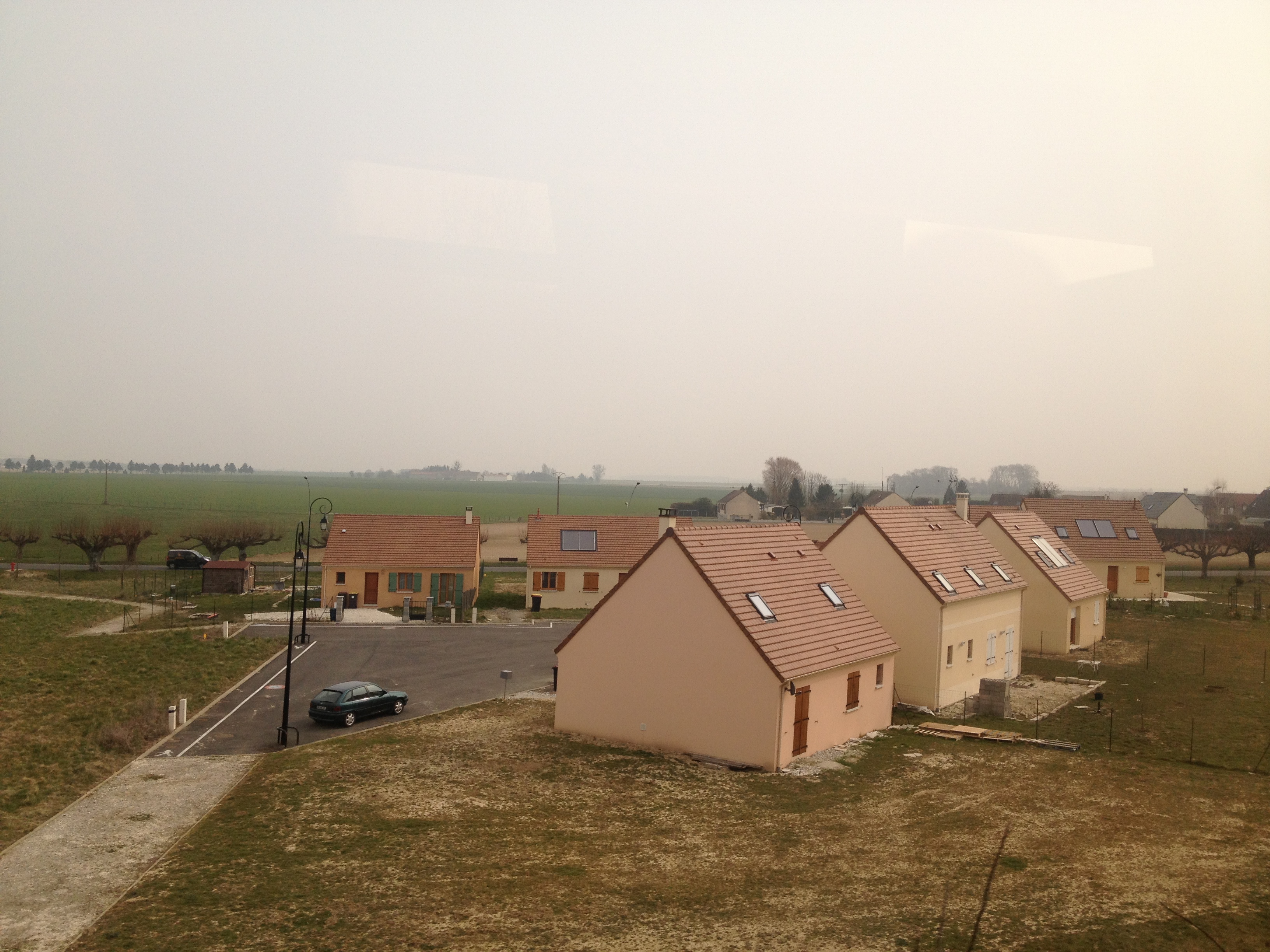
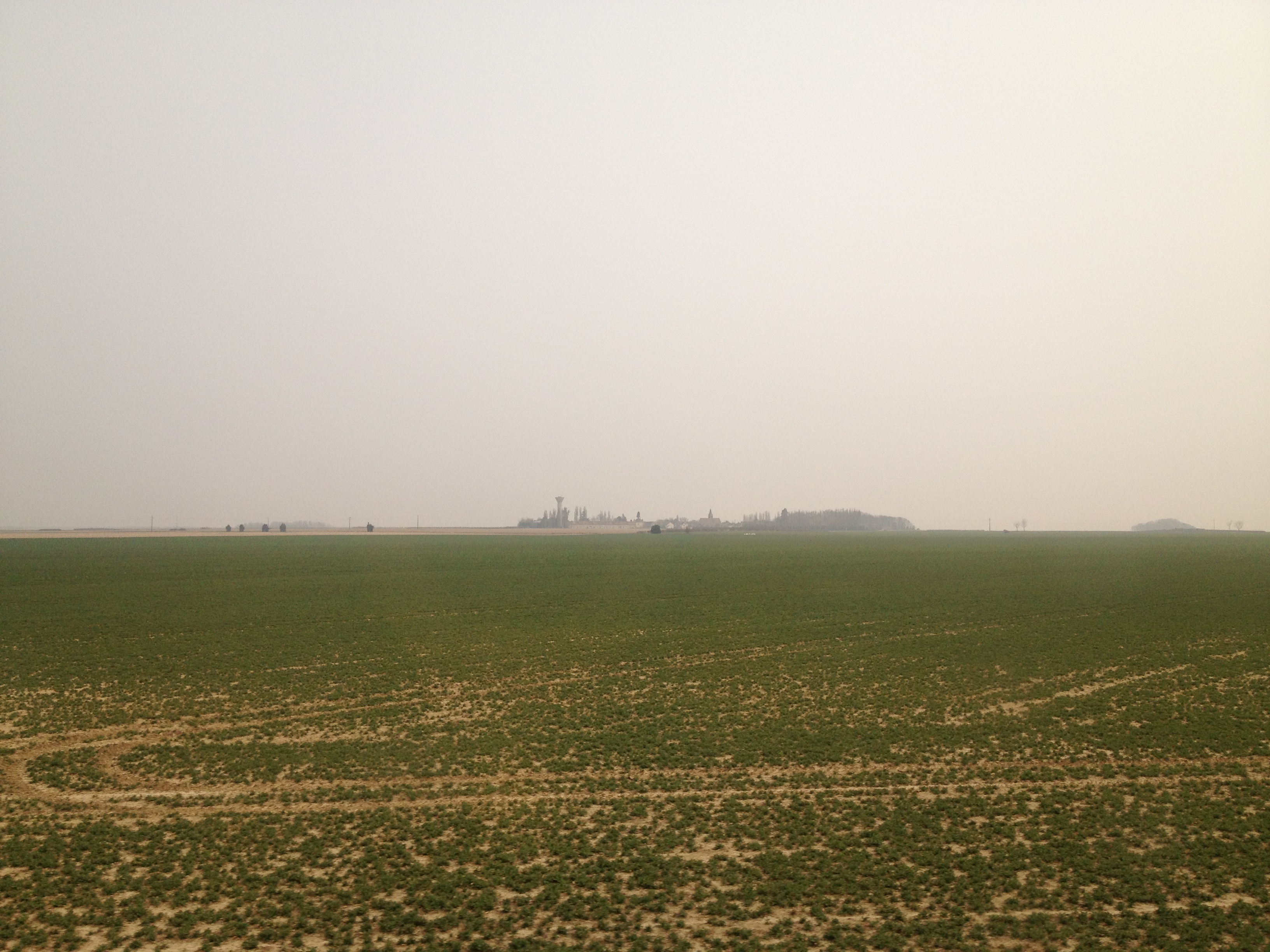
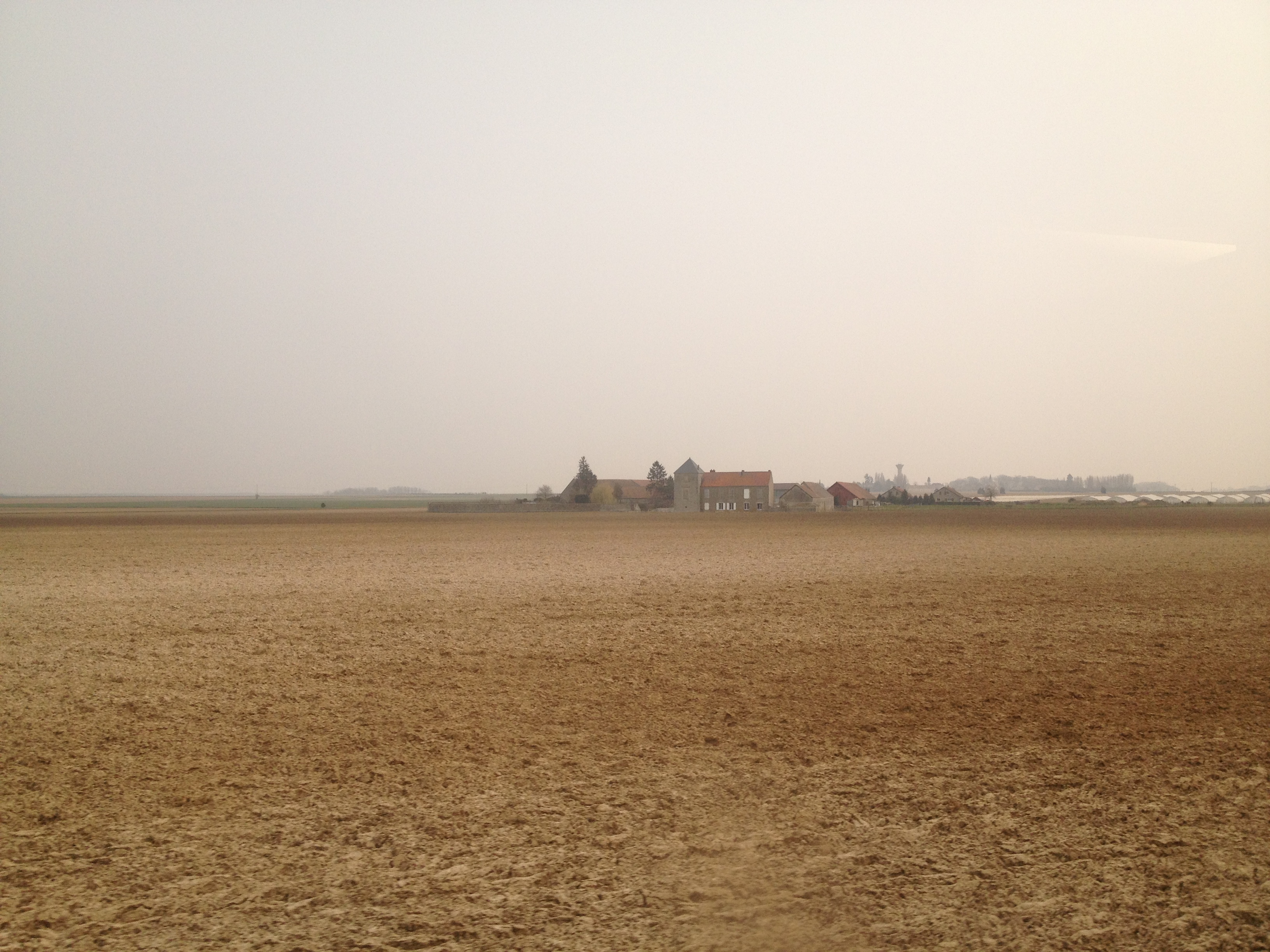
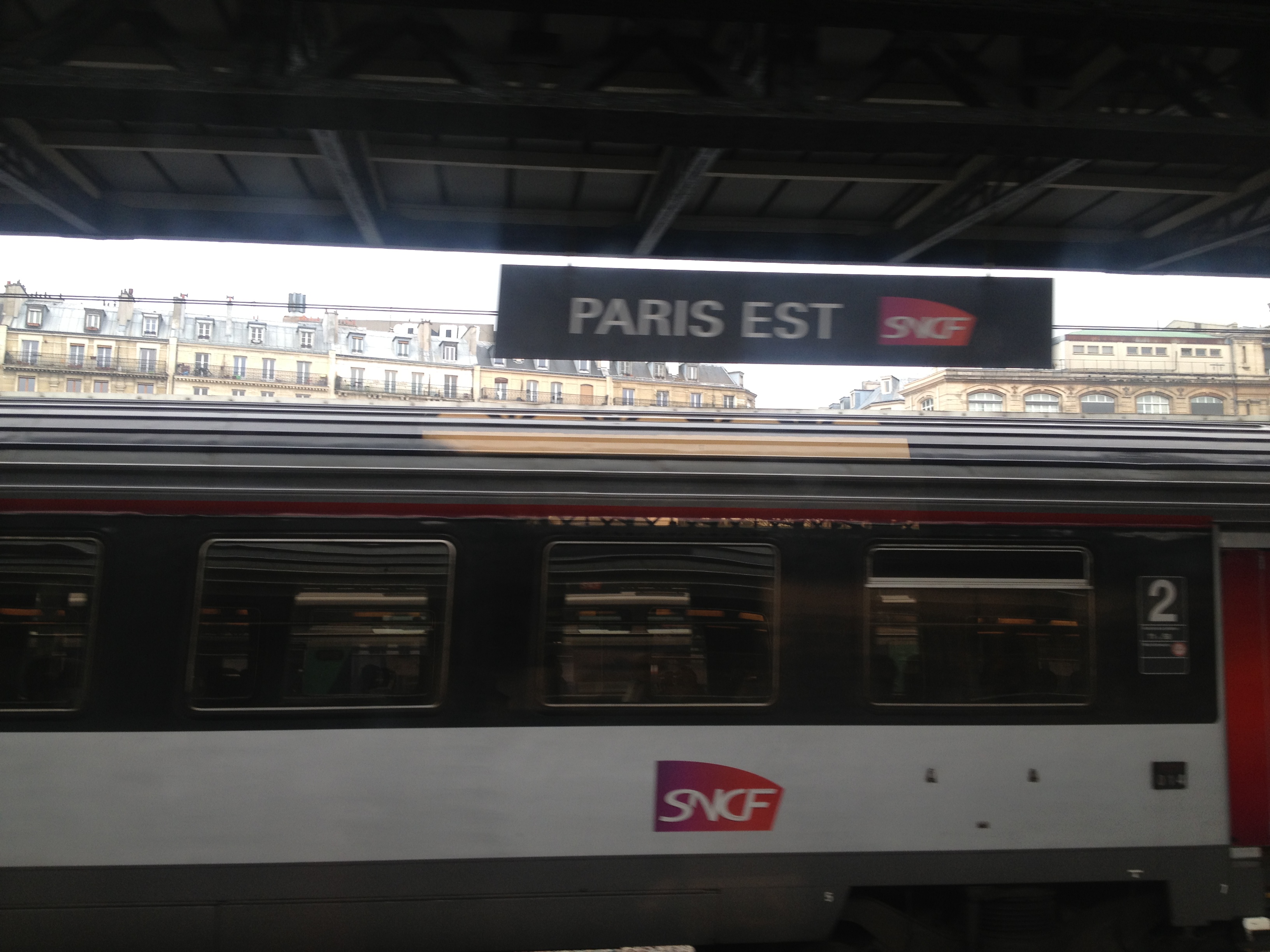
Nogent Railway StationThe view from CamacThe church nextdoorJust a streetBridge over troubled waters (the bridge had to be rebuilt after the original bridge was bombed during World War II)Mistletoe on the treesOne of the many willows along the riverWalking along the river this morningFrida, the cat and the grand piano at the residencyThe river-view verandah just outside the dining hallMy river-view roomLittle town on the way to NogentTravelling through the plainsNow that’s what I call a farm house!En route Nogent sur- Seine
A selection of my recent work is currently being presented as part of an exhibition titled ‘The Baroda March’ by Rukshaan Art at the Coomaraswamy hall, Chatrapati Shivaji Vastu Sangrahalaya (former Prince of Wales museum) in Mumbai. The exhibition is on till the 15th of March 2013.
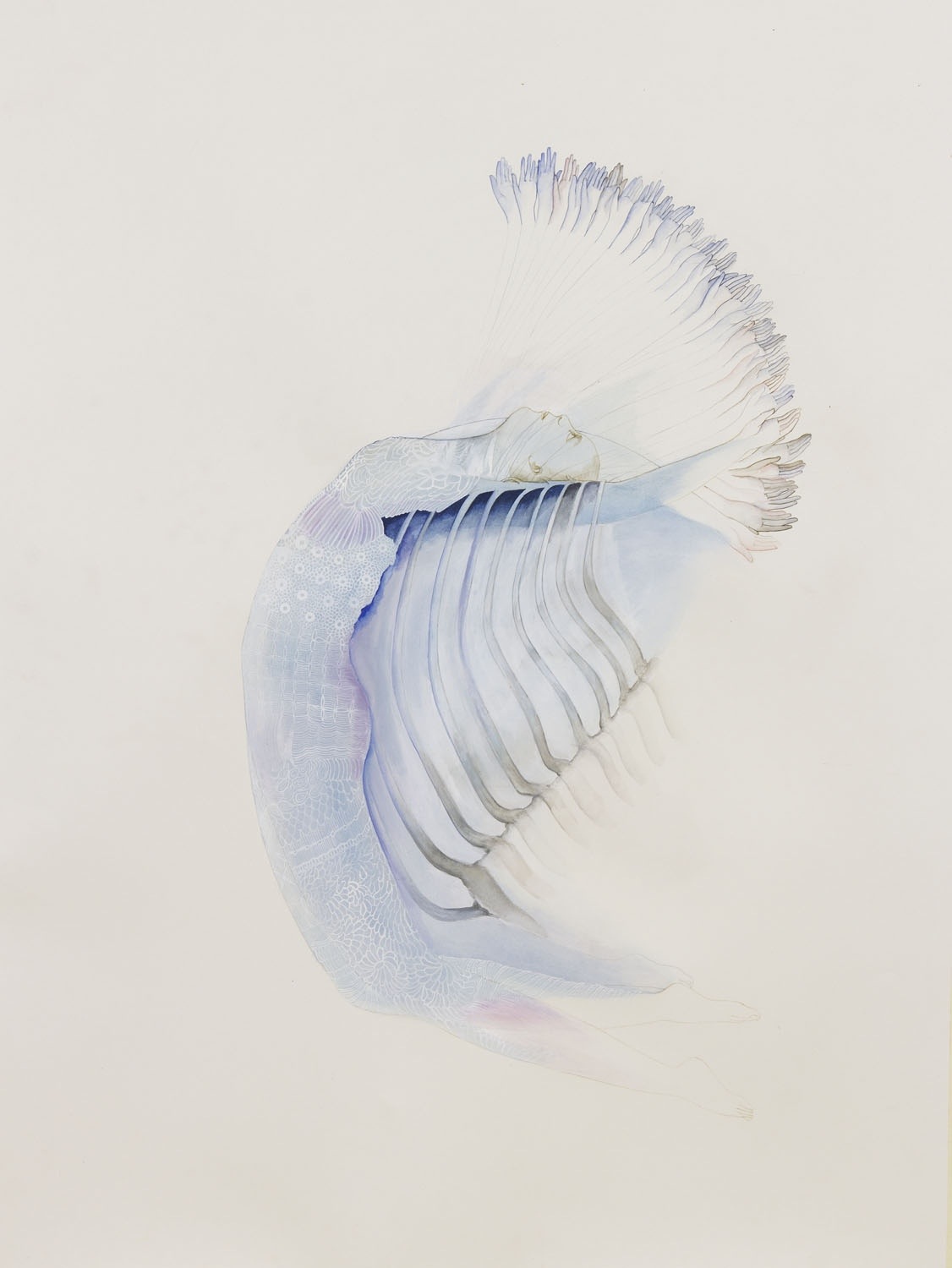
‘Flight’-Watercolour and gouache on paper- 2012- 25 in.x 36 in.
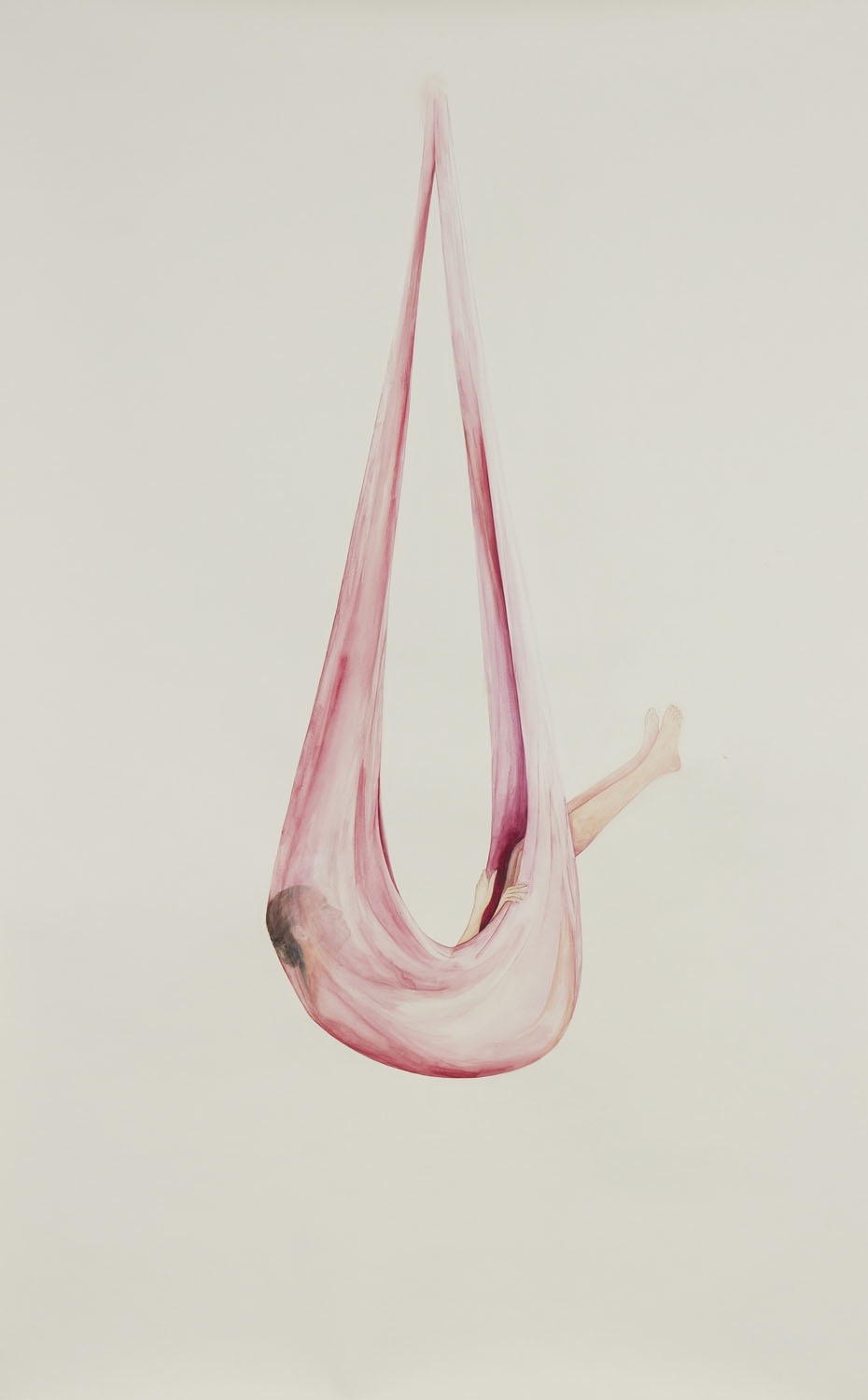
‘Cradle’- Watercolour and gouache on paper- 2013- 30 in. X 48 in.









 Malavika Rajnarayan